

Rated 4.7


Start Your Depression Consultation
Complete a quick and easy questionnaire and one of our prescribers will make sure this treatment is right for you.
 4.7/5 rating on Trustpilot
 Trusted UK Registered Pharmacy
 Takes Under 2 Minutes
 Secure and Confidential

Treatments
Frequently Asked Questions
Have a question? We're here to help
What is depression?
Depression is a common mental health condition that affects how you feel, think, and behave. It can cause persistent low mood, loss of interest in activities, and a lack of energy. Symptoms can range from mild to severe and may interfere with daily life. It is a medical condition that often requires treatment and support.
What are the symptoms of depression?
The common symptoms of depression include feeling sad or empty, losing interest in activities, and experiencing fatigue. People may also have trouble sleeping, changes in appetite, or difficulty concentrating.
In more severe cases, individuals may feel hopeless or have thoughts of self-harm.
What causes depression?
Depression can develop due to a combination of biological, psychological, and environmental factors. These may include genetics, brain chemistry imbalances, stressful life events, or long-term health conditions. Often, there is no single identifiable cause.
What treatments are available for depression?
Depression is commonly treated with a combination of medication, talking therapies, and lifestyle changes.
The medications below are often prescribed to help manage symptoms:
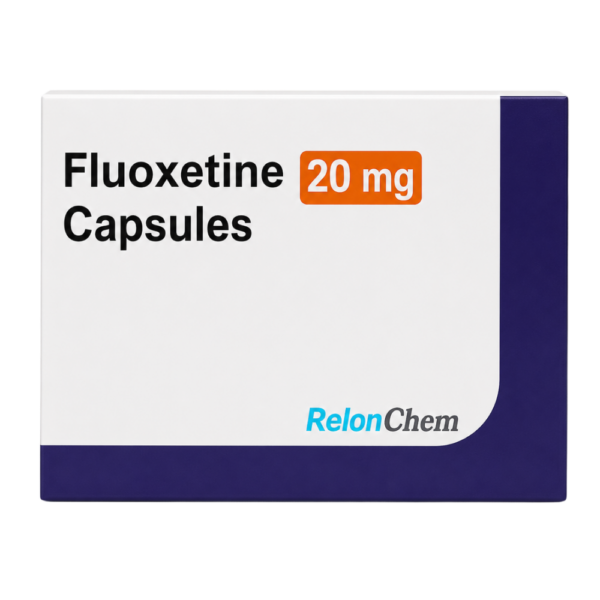
- Fluoxetine
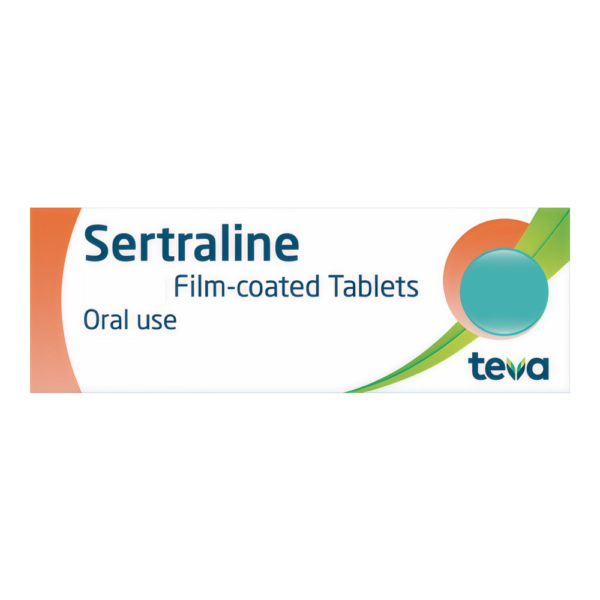
- Sertraline
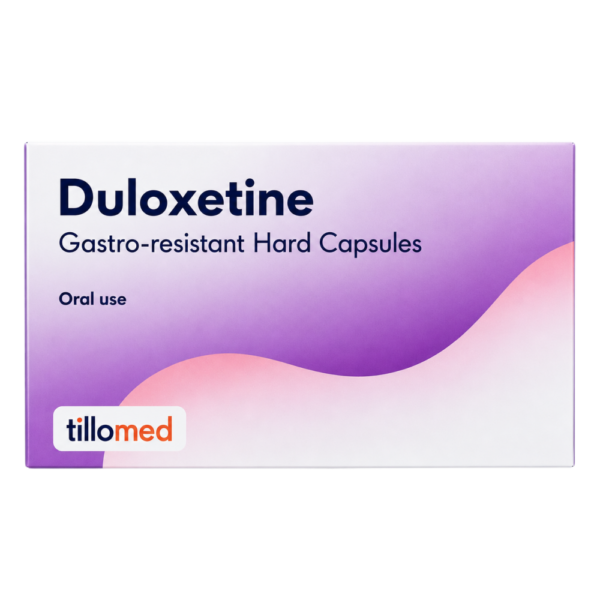
- Duloxetine
- Vortioxetine
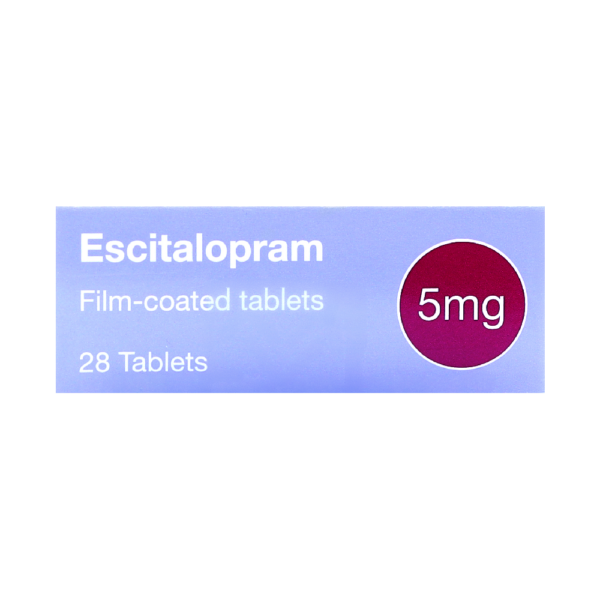
- Escitalopram
- Venlafaxine
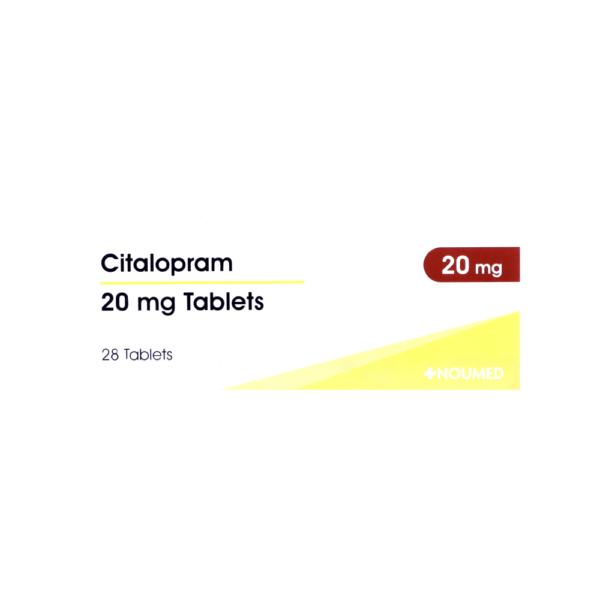
- Citalopram
Psychological therapies like cognitive behavioural therapy (CBT) can also be effective. The best treatment plan varies depending on the individual.
How do antidepressants work?
Antidepressants work by balancing chemicals in the brain, particularly neurotransmitters like serotonin and norepinephrine. These chemicals influence mood, emotions, and sleep patterns.
By adjusting their levels, antidepressants can help improve mood and reduce symptoms of depression. They do not provide immediate relief and usually take time to show benefits.
How long do antidepressants take to work?
Most antidepressants take a few weeks to start showing noticeable effects, although full benefits may take up to 6 to 8 weeks. Some symptoms, such as sleep or appetite, may improve sooner than mood. It’s important to continue taking the medication as prescribed, even if you don’t feel immediate results.
Are antidepressants effective for depression?
Antidepressants are considered effective for many people with moderate to severe depression. They can reduce symptoms, improve mood, and help restore normal daily functioning. However, effectiveness varies from person to person, and some may need to try more than one medication.
What are the side effects of antidepressants?
Common side effects of antidepressants can include nausea, headaches, dry mouth, and changes in sleep patterns. Some people may experience dizziness, sweating, or sexual side effects. These effects are often mild and tend to improve over time. If side effects are severe or persistent, medical advice should be sought.
What happens if depression is left untreated?
If left untreated, depression can worsen and significantly impact your quality of life. It may lead to difficulties in work, relationships, and physical health. In severe cases, it can increase the risk of self-harm or suicidal thoughts. Seeking treatment early can help prevent complications and support recovery.
Proudly Supported By Industry Experts








Superintendent Pharmacist: Justin Dicks 2038305
© Total Access Health LTD. All rights reserved.
Pharmacy Address: 42 Barnard Road, Norwich, NR5 9JB