

Rated 4.8


Start Your Cradle Cap Consultation
Complete a quick and easy questionnaire and one of our prescribers will make sure this treatment is right for you.
 4.8/5 rating on Trustpilot
 Trusted UK Registered Pharmacy
 Takes Under 2 Minutes
 Secure and Confidential

Treatments
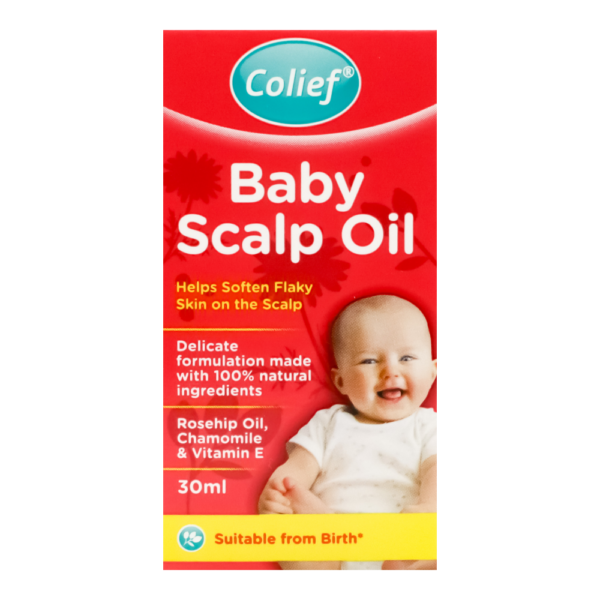
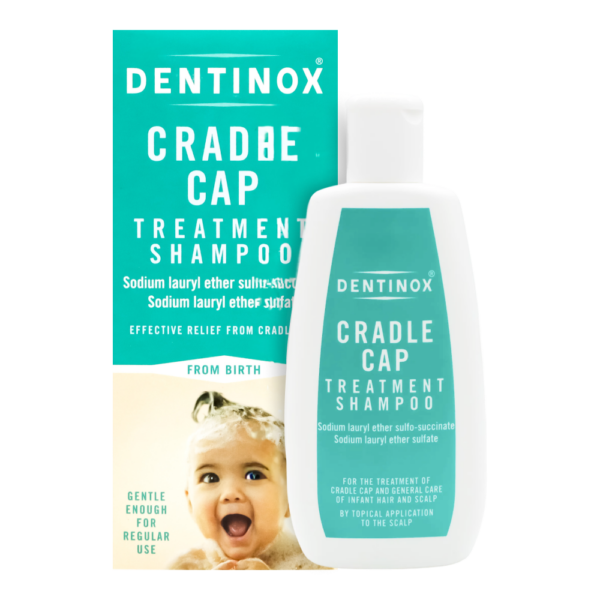
Related Medication
Frequently Asked Questions
Have a question? We're here to help
What is cradle cap and how do you treat it?
Cradle cap is a common, harmless skin condition that affects babies, causing greasy, yellow or white scaly patches on the scalp. It is a form of seborrhoeic dermatitis and usually clears up naturally within a few months.
To treat cradle cap, gently massage a baby-safe emollient or coconut oil into the scalp to soften the scales, then use a soft brush and mild baby shampoo to remove them. Avoid picking the crusts, as this can cause irritation or infection.
What happens if you don't treat cradle cap?
In most cases, nothing serious happens if you don’t treat cradle cap. It is a harmless condition that usually disappears on its own within a few weeks or months, without needing medication. However, the scales may remain for longer if left alone.
It is important not to pick or scratch the affected skin, as this can cause irritation or infection. If cradle cap becomes swollen, bleeds or starts leaking fluid, seek advice from your GP.
How to treat bleeding cradle cap?
If your baby’s cradle cap is bleeding, avoid picking, scratching or trying to remove the remaining scales, as this could worsen the irritation. Gently keep the affected area clean and avoid applying fragranced products or harsh shampoos.
Bleeding is not typical of cradle cap and may indicate broken skin, infection or another skin condition. The NHS recommends contacting your GP if cradle cap bleeds or leaks fluid so they can assess the affected area and recommend appropriate treatment.
How to treat cradle cap in toddlers?
Cradle cap can sometimes persist into toddlerhood, although it usually clears up during the first year. To treat cradle cap in toddlers, regularly wash their hair using a gentle, fragrance-free baby shampoo and carefully massage the scalp with a soft brush to loosen the scales.
A suitable emollient can also help soften stubborn patches. Avoid using adult anti-dandruff shampoos unless recommended by a healthcare professional. If symptoms persist, spread or cause discomfort, consult your GP to check for other skin conditions.
Proudly Supported By Industry Experts








Superintendent Pharmacist: Justin Dicks 2038305
© Total Access Health LTD. All rights reserved.
Pharmacy Address: 42 Barnard Road, Norwich, NR5 9JB