

Rated 4.8


Treatments
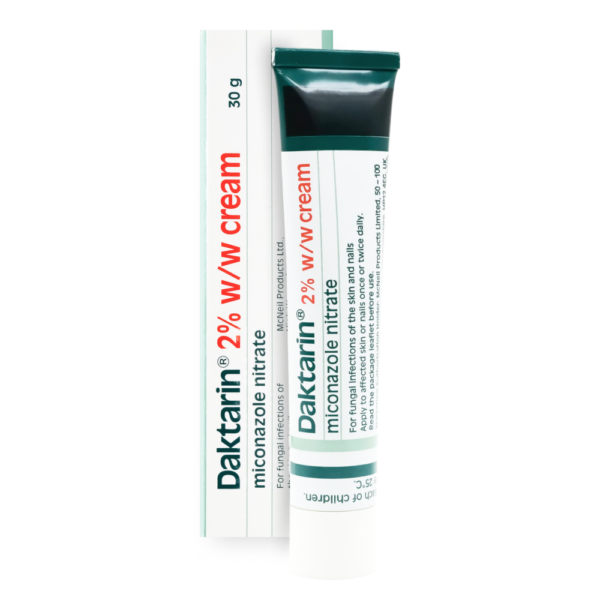
Related Medication
Frequently Asked Questions
Have a question? We're here to help
What is ringworm?
Ringworm is a common fungal skin infection that affects the skin, scalp or nails. Despite its name, ringworm is not caused by a worm but by fungi called dermatophytes. It typically causes a circular or ring-shaped rash that may be red, itchy, scaly and slightly raised around the edges.
Ringworm can affect different areas of the body, including the feet, groin and scalp. It can usually be treated effectively with antifungal treatments.
What causes ringworm?
Ringworm is caused by fungi called dermatophytes, which thrive in warm, moist environments. These fungi feed on keratin, a protein found in the skin, hair and nails.
Ringworm can develop when these fungi come into contact with the skin and begin to multiply. Sweating, damp clothing and sharing personal items can increase the likelihood of infection, particularly in warm or humid conditions.
Is ringworm contagious?
Yes, ringworm is highly contagious and can spread through direct skin-to-skin contact with an infected person or animal. It can also spread indirectly through contaminated items such as towels, clothing, bedding, hairbrushes and shared surfaces.
To reduce the risk of spreading ringworm, avoid sharing personal belongings, wash towels and clothing regularly and keep the affected area clean and dry. Starting appropriate antifungal treatment can also help prevent the infection from spreading.
How do you catch ringworm?
You can get ringworm through contact with fungi called dermatophytes, which live on the skin, hair and nails. The infection commonly spreads through touching an infected person or animal, sharing contaminated items such as towels, clothing or hairbrushes, or coming into contact with infected surfaces.
Ringworm thrives in warm, moist environments, making communal showers, changing rooms and swimming pools potential sources of infection. Keeping your skin clean and dry can help reduce your risk of developing ringworm.
Is ringworm dangerous?
Ringworm is not usually dangerous and can generally be treated successfully with antifungal medication. However, if left untreated, the infection can spread to other areas of the body or other people. In some cases, it can cause secondary bacterial infections or inflammation.
Ringworm affecting the scalp may cause patchy hair loss and requires medical treatment. People with weakened immune systems should seek medical advice if they develop symptoms, as infections may be more difficult to manage.
How long does ringworm last?
Ringworm usually takes between 2 and 4 weeks to clear with appropriate antifungal treatment, although the exact recovery time depends on the location and severity of the infection. Some treatments may need to be applied daily for up to four weeks.
It is important to complete the recommended treatment course, even if the rash disappears earlier, to reduce the risk of recurrence. Scalp ringworm can take longer to treat and usually requires prescription antifungal tablets.
Can ringworm make you sick?
Ringworm usually affects the skin, hair or nails and does not typically cause general illness. Common symptoms include an itchy, scaly rash, redness and sometimes inflammation around the affected area. However, a more severe infection can cause significant irritation, swelling or discomfort.
If you develop additional symptoms such as fever, worsening pain or spreading redness, seek medical advice as these could indicate another infection.
Is ringworm itchy?
Yes, ringworm is commonly itchy, although the level of irritation varies between individuals. The infection often causes a circular, scaly rash with a raised edge that may become dry, inflamed or irritated.
Scratching the affected area can damage the skin and spread the fungal infection to other parts of your body. Antifungal treatment can help clear the infection and relieve associated symptoms.
Does ringworm scar?
Ringworm does not usually cause permanent scarring when treated appropriately. However, scratching, severe inflammation or a secondary bacterial infection can damage the skin and potentially leave marks. Some people may notice temporary changes in skin pigmentation after the infection has cleared, particularly where the rash was inflamed.
Avoid scratching the affected area and follow the recommended antifungal treatment course to help prevent further skin irritation.
Does ringworm go away on its own?
Ringworm may eventually clear without treatment, but this can take considerably longer and the infection may continue spreading during this time. Using an appropriate antifungal treatment can help clear the infection more quickly and reduce the risk of passing it to other people.
Treatments are available in several forms, including creams, gels, sprays and tablets, depending on the location and severity of the infection.
How long does ringworm take to clear?
With the correct antifungal medication, ringworm on the skin can often clear within two to four weeks. However, some infections may take longer, particularly if they are widespread or affect the scalp. Treatment should be continued for the full recommended duration, even if symptoms improve before the course is finished.
If your ringworm does not improve with treatment, speak to a healthcare professional for further advice.
How to know if ringworm is healing?
Signs that ringworm is healing include reduced itching, less redness or inflammation, and the gradual disappearance of the raised, scaly edges of the rash. The affected area should become less irritated and gradually return to its normal appearance.
Some temporary changes in skin colour may remain after the infection has cleared. Continue using your antifungal treatment as directed, even if the rash appears to have disappeared.
How long does it take for ringworm to show up?
Ringworm symptoms typically develop between four and fourteen days after coming into contact with the fungi responsible for the infection. However, the exact incubation period can vary depending on the type of fungus and where the infection occurs.
During this time, you may not notice any visible symptoms. If you have been in contact with someone who has ringworm, monitor your skin for signs of a circular, itchy or scaly rash.
Proudly Supported By Industry Experts








Superintendent Pharmacist: Justin Dicks 2038305
© Total Access Health LTD. All rights reserved.
Pharmacy Address: 42 Barnard Road, Norwich, NR5 9JB