

Rated 4.8


Start Your Homeopathy Consultation
Complete a quick and easy questionnaire and one of our prescribers will make sure this treatment is right for you.
 4.8/5 rating on Trustpilot
 Trusted UK Registered Pharmacy
 Takes Under 2 Minutes
 Secure and Confidential

Treatments
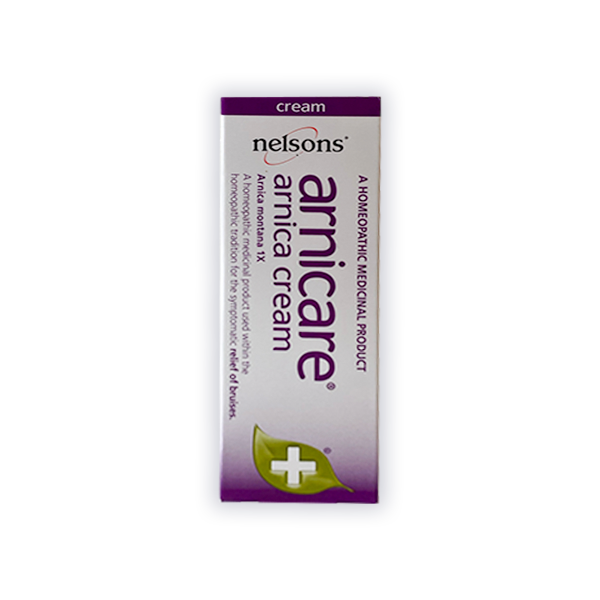
Related Medication
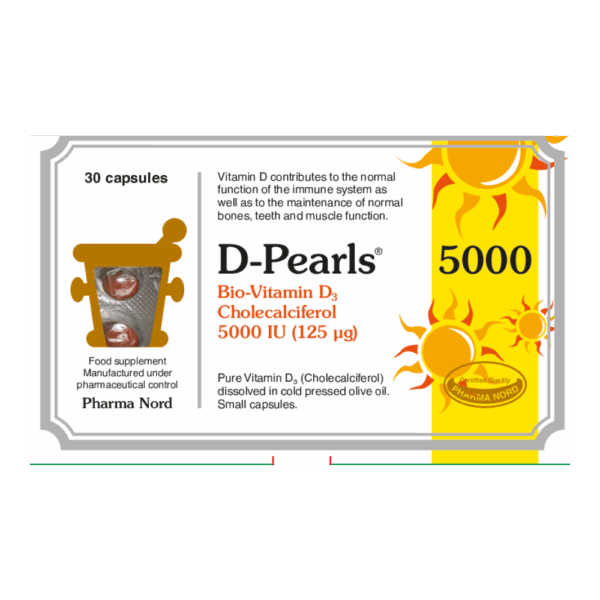
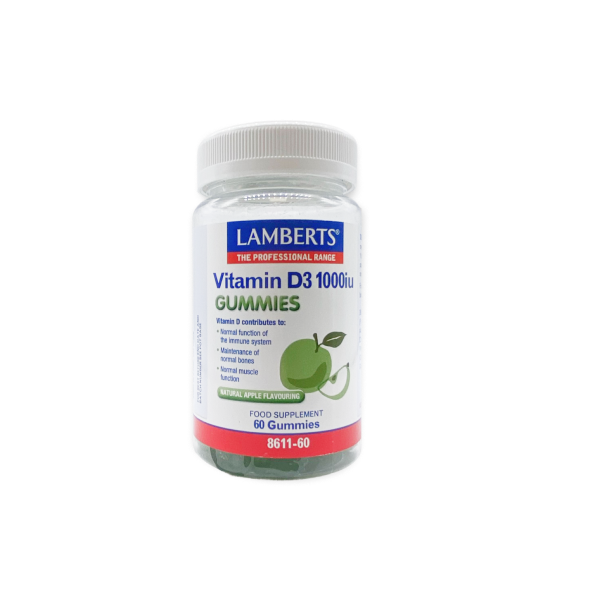
Frequently Asked Questions
Have a question? We're here to help
What is homeopathy?
Homeopathy is a form of complementary medicine based on the principle that a substance that causes symptoms in a healthy person may, in very small amounts, help treat similar symptoms in someone who is unwell. Homeopathic remedies are made from natural substances, including plants, minerals and animal-derived materials, which are repeatedly diluted.
Homeopathy is often used by people seeking alternative approaches to healthcare, although there is no reliable scientific evidence that it is effective for treating medical conditions.
Does homeopathy work?
There is no reliable scientific evidence that homeopathy works better than a placebo. Although some people report feeling better after using homeopathic remedies, this may be due to the placebo effect, natural recovery or other factors.
Major health organisations, including the NHS, do not recommend homeopathy as an evidence-based treatment for medical conditions. It is important not to replace prescribed medication or proven medical treatments with homeopathy, particularly for serious or ongoing health problems.
How does homeopathy work?
Homeopathy is based on two main principles: ‘like cures like’ and the ‘law of minimum dose’. Practitioners believe that substances causing certain symptoms can help relieve those same symptoms when highly diluted. Remedies are repeatedly diluted and shaken in a process known as succussion.
However, there is no scientifically established explanation for how homeopathy could produce the claimed effects, and research has not demonstrated that it works beyond the placebo effect.
Is homeopathy safe?
Homeopathy is generally considered low risk, particularly when remedies are highly diluted. However, some products labelled as homeopathic may contain measurable active ingredients that can cause side effects or interact with other medicines.
The biggest concern is relying on homeopathy instead of proven medical treatments, which could delay diagnosis or effective treatment. Always speak to a healthcare professional before stopping prescribed medication or using complementary remedies alongside existing treatments.
What can homeopathy treat?
Homeopathy is promoted by practitioners as a treatment for various conditions, including allergies, hay fever, asthma, digestive problems, arthritis, anxiety and skin conditions. However, there is currently no reliable scientific evidence that homeopathy effectively treats any of these conditions.
It should not be used as a substitute for evidence-based medical care. If you are experiencing persistent symptoms, consult a healthcare professional to discuss appropriate treatments and available options.
Proudly Supported By Industry Experts








Superintendent Pharmacist: Justin Dicks 2038305
© Total Access Health LTD. All rights reserved.
Pharmacy Address: 42 Barnard Road, Norwich, NR5 9JB