

Rated 4.8


Start Your Conjunctivitis Consultation
Complete a quick and easy questionnaire and one of our prescribers will make sure this treatment is right for you.
 4.8/5 rating on Trustpilot
 Trusted UK Registered Pharmacy
 Takes Under 2 Minutes
 Secure and Confidential

Treatments
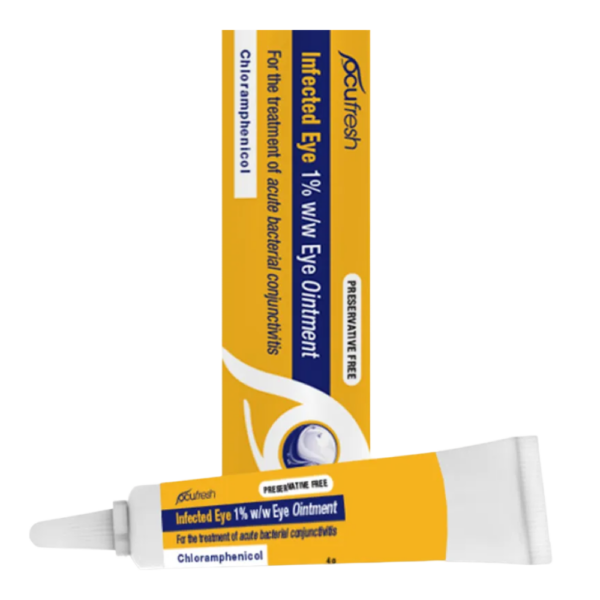
Related Medication
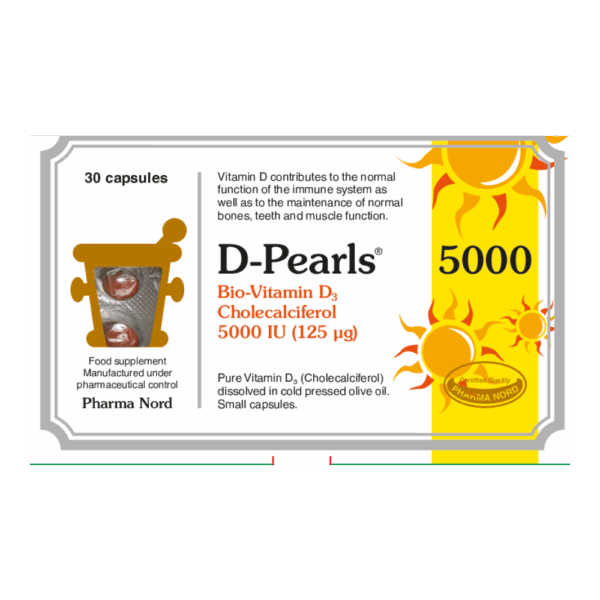
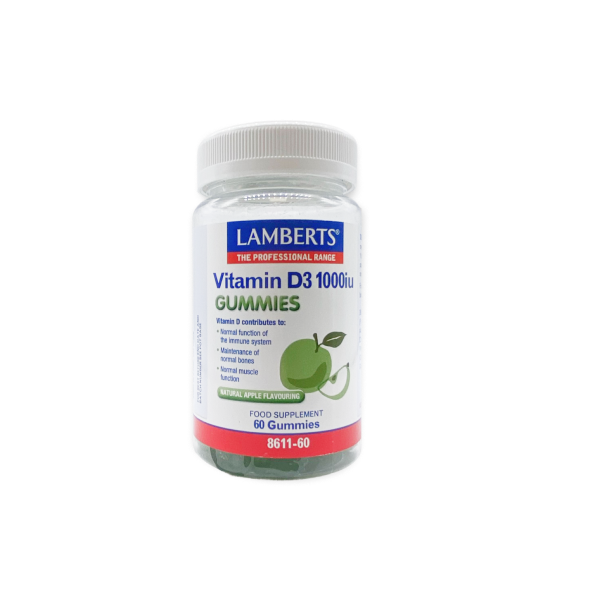
Frequently Asked Questions
Have a question? We're here to help
How long does conjunctivitis last?
Conjunctivitis usually clears up within one to two weeks, although the duration depends on its cause. Bacterial conjunctivitis often improves within 5–7 days, while viral conjunctivitis can take two to three weeks to resolve.
Allergic conjunctivitis may last longer if you continue to be exposed to the allergen causing the reaction. If your symptoms have not improved after seven days, speak to a pharmacist, optometrist or GP for advice.
Does conjunctivitis go away on its own?
Yes, most cases of conjunctivitis go away on their own without needing medical treatment. Viral conjunctivitis usually clears within one to two weeks, while mild bacterial conjunctivitis can resolve within 5–7 days. Allergic conjunctivitis may improve once you avoid the substance triggering the reaction.
You can ease discomfort by gently cleaning your eyelids with cooled boiled water and applying a cool compress. Antibiotics are only useful for certain bacterial infections, not viral or allergic conjunctivitis.
Is conjunctivitis contagious?
Yes, viral and bacterial conjunctivitis are contagious and can spread through direct contact with infected eye discharge, contaminated hands, towels or pillowcases. You can reduce the risk of spreading conjunctivitis by washing your hands regularly, avoiding rubbing your eyes and not sharing towels or face cloths.
Allergic conjunctivitis, however, is not contagious because it is caused by an allergic reaction rather than an infection. Avoid wearing contact lenses until your eyes have recovered.
How to get rid of conjunctivitis fast?
The quickest way to manage conjunctivitis depends on whether it is caused by bacteria, a virus or an allergy. Gently clean away discharge using cotton wool and cooled boiled water, apply a cool compress to soothe irritation and avoid rubbing your eyes. Lubricating or antihistamine eye drops may help depending on the cause.
Antibiotic eye drops, such as chloramphenicol, may be recommended for bacterial conjunctivitis but will not treat viral infections. Avoid contact lenses until symptoms have cleared.
Can you buy eye drops for conjunctivitis over the counter?
Yes, several types of eye drops for conjunctivitis are available over the counter from UK pharmacies. Chloramphenicol eye drops are an antibiotic treatment used for bacterial conjunctivitis and are available from pharmacies for most adults and children aged two years and over.
Lubricating eye drops can help relieve irritation, while antihistamine eye drops may help with allergic conjunctivitis. The right treatment depends on the cause, so speak to a pharmacist before choosing eye drops.
Proudly Supported By Industry Experts








Superintendent Pharmacist: Justin Dicks 2038305
© Total Access Health LTD. All rights reserved.
Pharmacy Address: 42 Barnard Road, Norwich, NR5 9JB