

Rated 4.8


Start Your Nasal Congestion Consultation
Complete a quick and easy questionnaire and one of our prescribers will make sure this treatment is right for you.
 4.8/5 rating on Trustpilot
 Trusted UK Registered Pharmacy
 Takes Under 2 Minutes
 Secure and Confidential

Treatments
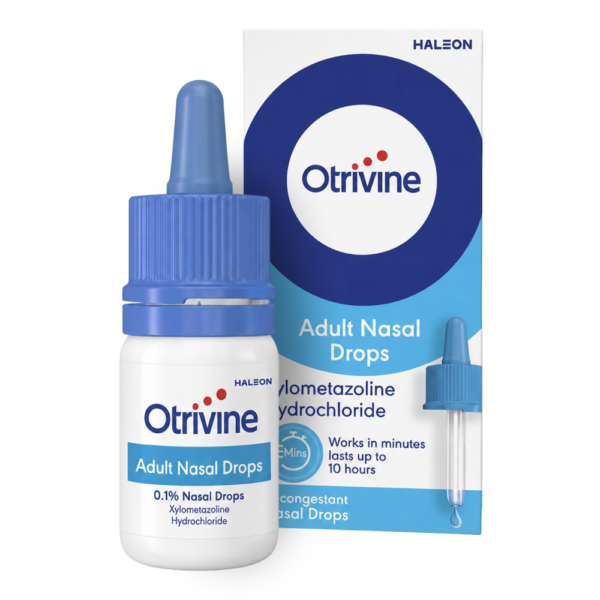
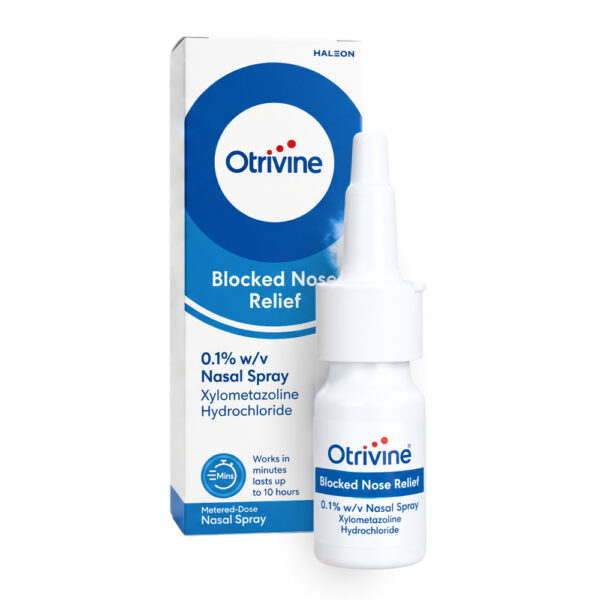
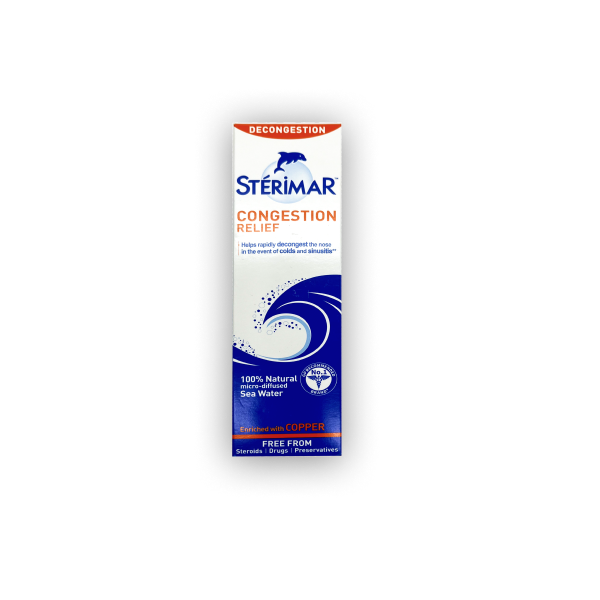
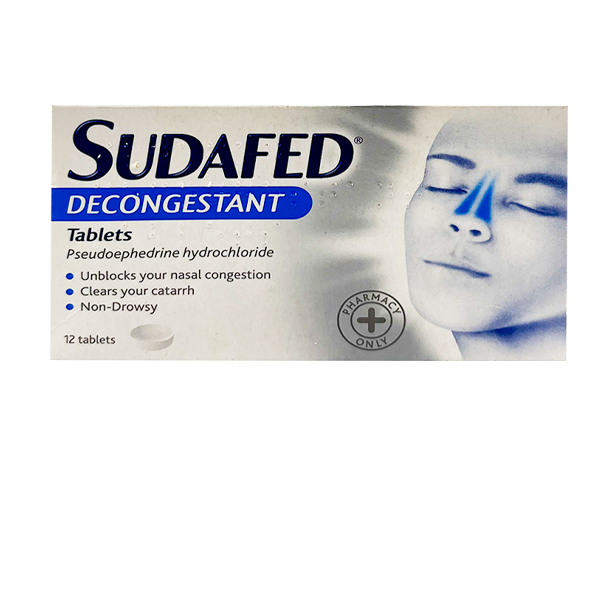
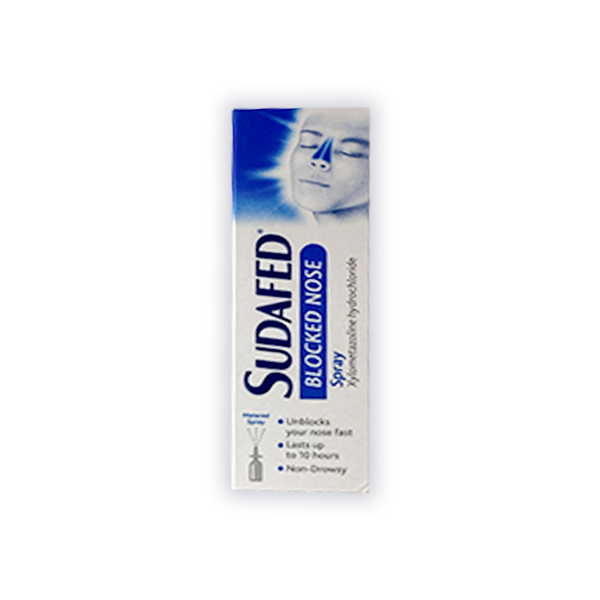
Related Medication
Frequently Asked Questions
Have a question? We're here to help
What is nasal congestion?
Nasal congestion, commonly known as a blocked nose, occurs when the tissues and blood vessels inside the nose become swollen and inflamed, making it harder to breathe through the nostrils. It can also cause excess mucus production, resulting in a stuffy or runny nose.
Nasal congestion is a common symptom of colds, allergies and sinus infections. Although it is usually temporary, persistent nasal congestion can sometimes indicate an underlying condition that may require treatment.
What causes nasal congestion?
Nasal congestion can be caused by several factors, most commonly infections and allergic reactions. Common causes include the common cold, flu, sinusitis, hay fever and exposure to irritants such as smoke, dust or pollution.
These triggers cause inflammation and swelling inside the nasal passages, sometimes alongside increased mucus production.
Other causes include nasal polyps, a deviated septum and hormonal changes. Identifying the underlying cause can help determine the most appropriate treatment for relieving nasal congestion.
Why is nasal congestion worse at night or when lying down?
Nasal congestion often feels worse at night because lying down makes it harder for mucus to drain naturally from the nasal passages and sinuses. Gravity can cause mucus to accumulate, while increased blood flow to the nasal tissues when lying flat can contribute to swelling.
Bedroom allergens, such as dust mites and pet dander, may also aggravate symptoms. Sleeping with your head slightly elevated and using a saline nasal spray may help improve night time breathing.
How long does nasal congestion last?
How long nasal congestion lasts depends on its underlying cause. If caused by a common cold, symptoms usually begin to improve within 1 to 2 weeks. Congestion associated with sinusitis can take up to 4 weeks to clear, while allergy-related nasal congestion may persist for as long as you are exposed to the trigger.
If symptoms are persistent, worsening or not improving, speak to a healthcare professional to establish the cause and discuss suitable treatment.
Proudly Supported By Industry Experts








Superintendent Pharmacist: Justin Dicks 2038305
© Total Access Health LTD. All rights reserved.
Pharmacy Address: 42 Barnard Road, Norwich, NR5 9JB