

Rated 4.8


Start Your Travel Sickness Consultation
Complete a quick and easy questionnaire and one of our prescribers will make sure this treatment is right for you.
 4.8/5 rating on Trustpilot
 Trusted UK Registered Pharmacy
 Takes Under 2 Minutes
 Secure and Confidential

Treatments
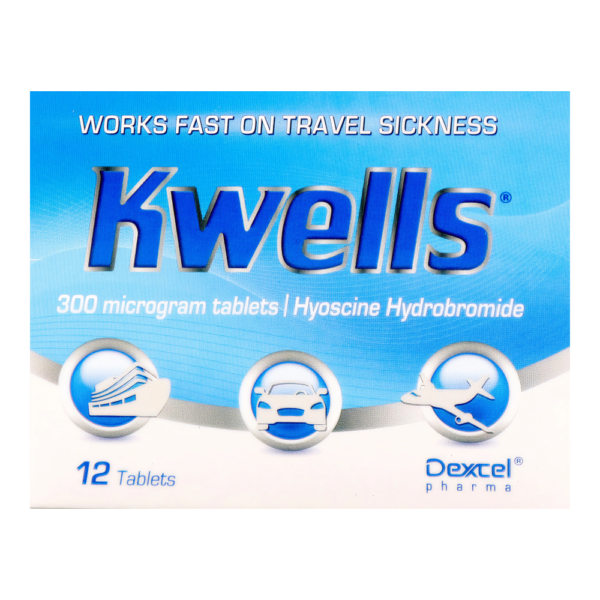
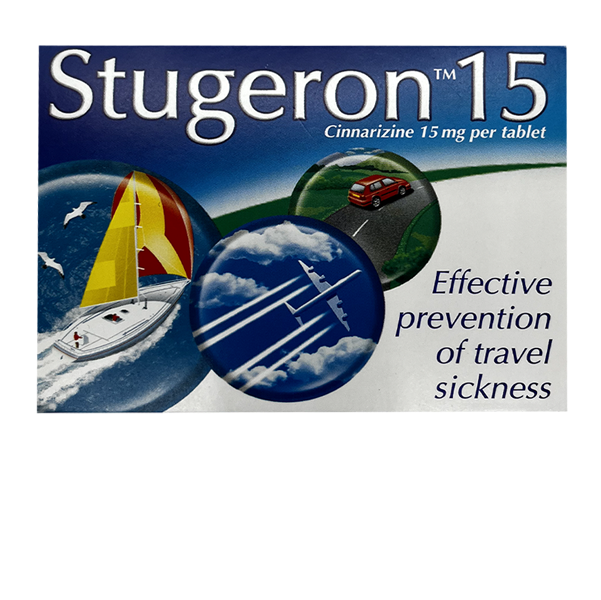
Related Medication
Frequently Asked Questions
Have a question? We're here to help
How do travel sickness tablets work?
Travel sickness tablets work by reducing the signals between the inner ear and the brain that cause nausea and vomiting during travel. When travelling by car, boat or plane, conflicting messages from your eyes and balance system can trigger motion sickness.
Many travel sickness medicines contain antihistamines, which block histamine receptors involved in these signals. This helps relieve symptoms such as nausea, dizziness and vomiting, making journeys more comfortable.
How long do travel sickness tablets last?
The duration of travel sickness tablets depends on the active ingredient and the specific product. Some medicines provide relief for around 4–6 hours, while others can last up to 24 hours.
Always check the patient information leaflet for your particular medication and avoid taking additional doses sooner than recommended.
When to take travel sickness tablets?
Most travel sickness tablets work best when taken before your journey, rather than after symptoms have already started. Depending on the medication, you may need to take a dose 20–60 minutes before travelling. Some treatments require longer preparation time, so it is important to follow the instructions for your specific product.
Taking travel sickness tablets at the recommended time can help prevent nausea, dizziness and vomiting throughout your journey.
Why do travel sickness tablets make you drowsy?
Travel sickness tablets can cause drowsiness because many contain antihistamines or medicines that affect the nervous system. These medicines reduce the activity of signals involved in balance and nausea, but can also affect alertness and concentration.
Some ingredients, such as cinnarizine and hyoscine hydrobromide, are particularly associated with sleepiness. Avoid driving or operating machinery if you feel drowsy, and avoid alcohol as it can increase these effects.
Can you take travel sickness tablets when pregnant?
Some travel sickness tablets may not be suitable during pregnancy, so it is important to speak to your doctor or pharmacist before taking any medication. For example, hyoscine hydrobromide is not usually recommended during pregnancy unless the potential benefits outweigh the risks.
Your healthcare professional can help identify a suitable treatment based on your symptoms and stage of pregnancy. Never assume that an over-the-counter travel sickness remedy is automatically safe for pregnant women.
Proudly Supported By Industry Experts








Superintendent Pharmacist: Justin Dicks 2038305
© Total Access Health LTD. All rights reserved.
Pharmacy Address: 42 Barnard Road, Norwich, NR5 9JB