

Rated 4.8


Start Your Indigestion Consultation
Complete a quick and easy questionnaire and one of our prescribers will make sure this treatment is right for you.
 4.8/5 rating on Trustpilot
 Trusted UK Registered Pharmacy
 Takes Under 2 Minutes
 Secure and Confidential

Treatments
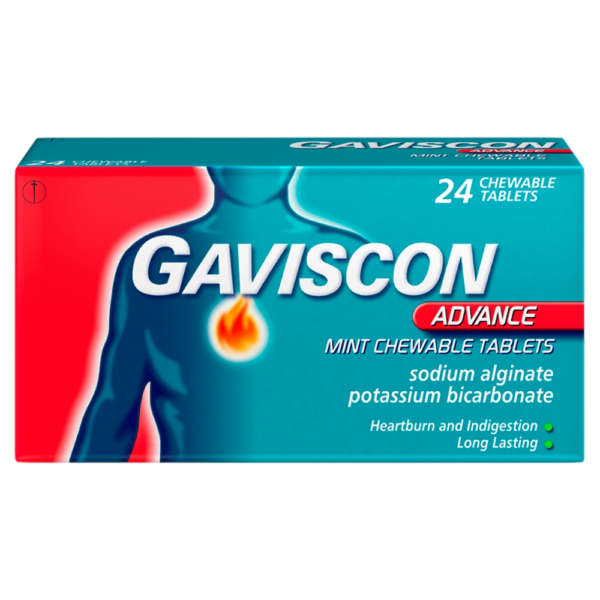
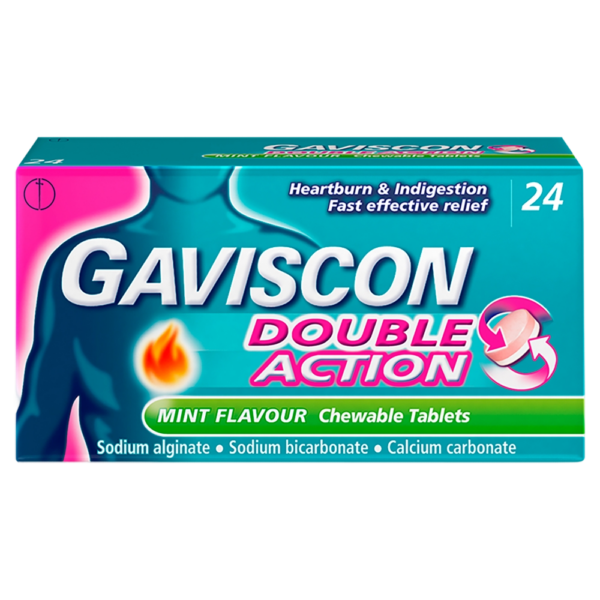
Related Medication
Frequently Asked Questions
Have a question? We're here to help
What does indigestion feel like?
Indigestion can feel like discomfort, pain or a burning sensation in your upper abdomen or behind your breastbone. Other common symptoms include bloating, excessive burping, feeling unusually full after eating, nausea and an unpleasant, acidic taste in your mouth.
Symptoms often develop shortly after eating or drinking, although they can sometimes occur later. The severity can vary, with some people experiencing mild discomfort and others finding it more painful.
What is indigestion?
Indigestion, medically known as dyspepsia, is a common digestive problem that causes pain or discomfort in the upper abdomen or chest, usually after eating or drinking.
It can occur when stomach acid irritates the lining of the digestive system or when the digestive system becomes sensitive to normal digestive processes. Indigestion can cause symptoms such as bloating, heartburn, nausea and burping.
What causes indigestion?
Indigestion can have several causes, including eating large meals, consuming fatty or spicy foods, drinking alcohol and excessive caffeine consumption. Other contributing factors include smoking, stress, anxiety, pregnancy and being overweight.
Certain medications, particularly anti-inflammatory painkillers such as ibuprofen and aspirin, can also trigger symptoms. Sometimes, indigestion is associated with underlying conditions such as acid reflux, stomach ulcers or a Helicobacter pylori infection.
How long does indigestion last?
Indigestion usually lasts anywhere from a few minutes to a few hours, depending on its cause and severity. Mild symptoms often improve once your stomach has digested a meal.
However, recurring or persistent indigestion may indicate an underlying digestive problem, such as acid reflux or a stomach ulcer. If your symptoms regularly return, become severe or do not improve with treatment, speak to a pharmacist or GP for advice.
Can indigestion cause chest pain?
Yes, indigestion can cause chest pain, particularly when stomach acid travels upwards into the oesophagus (food pipe), causing heartburn. This often feels like a burning sensation behind the breastbone and may be accompanied by bloating or a sour taste. However, chest pain should never automatically be assumed to be indigestion.
A heart attack can produce similar symptoms. Call 999 if you experience persistent chest pain, tightness, sweating, breathlessness or pain spreading to your arms, neck or jaw.
What is the difference between heartburn and indigestion?
Indigestion is a general term for discomfort or pain in the upper abdomen, often occurring after eating. Heartburn is a specific symptom involving a burning sensation in the chest, caused by stomach acid travelling back up into the oesophagus.
Other indigestion symptoms include bloating, nausea and burping, whereas heartburn is more commonly associated with an acidic taste in the mouth. The two conditions can occur together, but you can also experience them separately.
Can indigestion cause palpitations?
Indigestion does not typically cause heart palpitations, which are sensations of your heart beating unusually fast, strongly or irregularly. However, digestive discomfort, anxiety and stress can sometimes occur alongside palpitations.
It is important not to dismiss palpitations as indigestion, particularly if they are new, persistent or accompanied by chest pain, dizziness or breathlessness.
Seek medical advice if you experience recurring palpitations. Call 999 if they occur alongside chest pain, severe breathlessness or fainting.
Can indigestion cause nausea?
Yes, nausea is a common symptom of indigestion. You may feel sick after eating, particularly following large meals or foods that are fatty, spicy or difficult to digest. This can happen when stomach acid irritates the digestive system or when your stomach feels excessively full.
Nausea may also occur alongside bloating, burping and heartburn. If you experience persistent nausea, repeated vomiting or worsening abdominal pain, speak to your GP to investigate the underlying cause.
How do I prevent indigestion?
You can often prevent indigestion by making small changes to your diet and lifestyle. Try eating smaller, more frequent meals, avoiding foods that trigger your symptoms and reducing alcohol, caffeine and fizzy drinks.
Avoid eating within three to four hours of going to bed, and try to maintain a healthy weight. Stopping smoking and managing stress may also help.
If you regularly experience indigestion despite these changes, a pharmacist can recommend suitable treatments, such as antacids or acid-reducing medication.
Proudly Supported By Industry Experts








Superintendent Pharmacist: Justin Dicks 2038305
© Total Access Health LTD. All rights reserved.
Pharmacy Address: 42 Barnard Road, Norwich, NR5 9JB