

Rated 4.8


Start Your Diarrhoea Consultation
Complete a quick and easy questionnaire and one of our prescribers will make sure this treatment is right for you.
 4.8/5 rating on Trustpilot
 Trusted UK Registered Pharmacy
 Takes Under 2 Minutes
 Secure and Confidential

Treatments
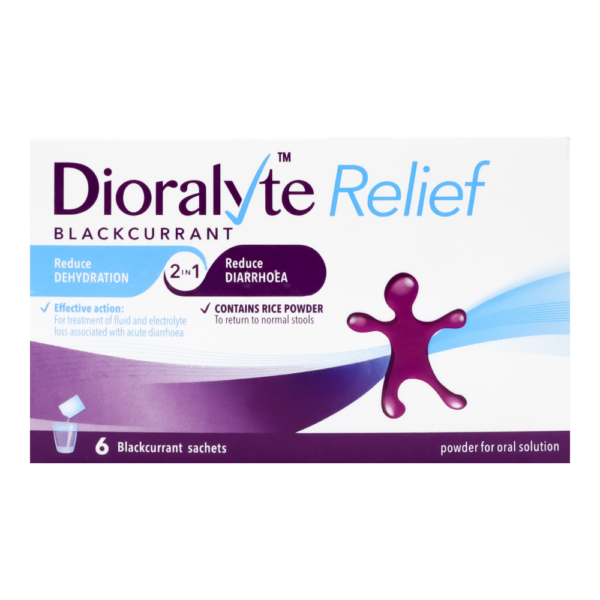
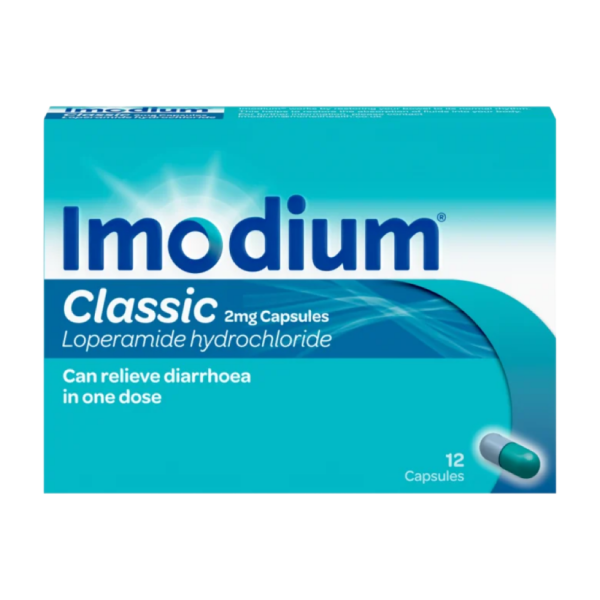
Related Medication
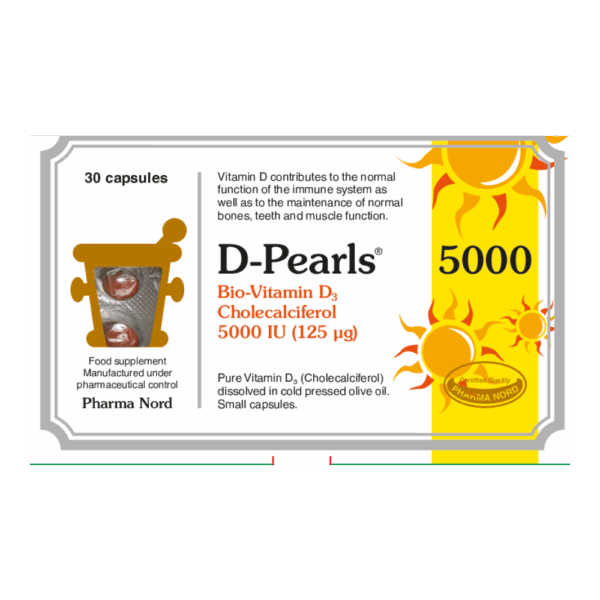
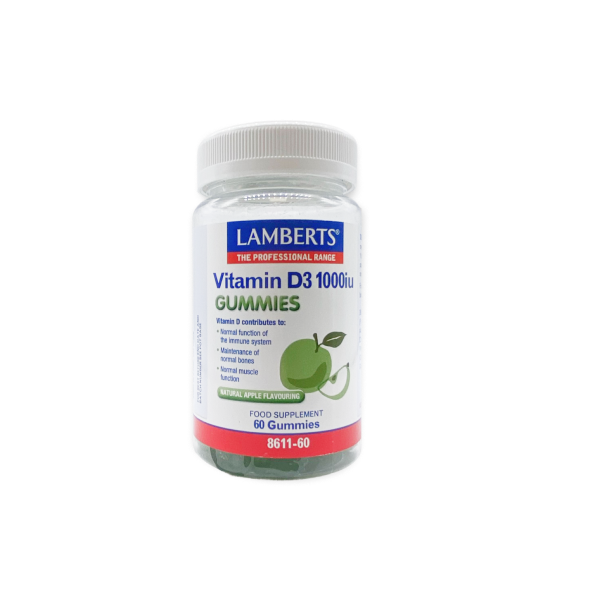
Frequently Asked Questions
Have a question? We're here to help
How do you treat diarrhoea?
Diarrhoea can usually be treated at home by drinking plenty of fluids to replace those lost through frequent bowel movements. Water and oral rehydration solutions can help prevent dehydration.
Eat when you feel able to, choosing easily digestible foods and avoiding fatty or spicy meals. Get plenty of rest and avoid preparing food for others while unwell.
How to treat diarrhoea in children?
The best way to treat diarrhoea in children is to keep them hydrated. Offer frequent small drinks of water and consider oral rehydration solutions recommended by a pharmacist.
Continue breastfeeding or normal-strength formula feeding, and offer their usual foods when they feel able to eat. Avoid fruit juice and fizzy drinks, as these can make diarrhoea worse.
How to treat diarrhoea in toddlers?
To treat diarrhoea in toddlers, encourage frequent small drinks of water and consider oral rehydration sachets to replace lost fluids and salts. Continue their usual milk feeds and offer food when they feel hungry.
Avoid fruit juice and fizzy drinks, which can worsen symptoms. Monitor for signs of dehydration, including fewer wet nappies, a dry mouth or unusual tiredness.
How to treat diarrhoea in pregnancy?
Diarrhoea during pregnancy is often caused by a stomach bug or food poisoning rather than pregnancy itself. Treatment usually involves drinking plenty of water, taking small sips frequently and getting enough rest. Eat when you feel able and avoid foods that worsen your symptoms.
Do not take anti-diarrhoea medication, such as loperamide, without speaking to your GP, midwife or pharmacist first. Contact your GP if symptoms last longer than 48 hours or you cannot keep fluids down.
When should I see a doctor for diarrhoea?
You should seek medical advice if diarrhoea lasts longer than seven days, you notice blood in your stools, or you experience persistent vomiting or severe stomach pain. Contact NHS 111 if you cannot keep fluids down or have signs of dehydration that do not improve with rehydration treatment.
Babies, young children, pregnant women and people with weakened immune systems may need earlier assessment. Seek emergency help for severe symptoms such as confusion, difficulty breathing or sudden severe abdominal pain.
What are signs of dehydration from diarrhoea?
Dehydration can develop when diarrhoea causes your body to lose more fluids than you replace. Common signs include dark yellow urine, passing urine less frequently, a dry mouth, dizziness, headaches and unusual tiredness.
In babies and young children, look for fewer wet nappies, sunken eyes and a lack of tears when crying. Drinking water and oral rehydration solutions can help replace lost fluids and salts. Seek medical advice if symptoms persist or worsen.
How long does diarrhoea last?
Diarrhoea usually lasts between five and seven days in adults and children, although some cases clear up sooner. Viral infections, such as norovirus, often improve within a few days. Staying hydrated and eating when you feel able can support recovery.
If diarrhoea continues for more than seven days, contains blood or is accompanied by persistent vomiting or signs of dehydration, seek medical advice. Children who experience diarrhoea may need closer monitoring because they can become dehydrated more quickly.
Proudly Supported By Industry Experts








Superintendent Pharmacist: Justin Dicks 2038305
© Total Access Health LTD. All rights reserved.
Pharmacy Address: 42 Barnard Road, Norwich, NR5 9JB