

Rated 4.8


Start Your Dandruff Consultation
Complete a quick and easy questionnaire and one of our prescribers will make sure this treatment is right for you.
 4.8/5 rating on Trustpilot
 Trusted UK Registered Pharmacy
 Takes Under 2 Minutes
 Secure and Confidential

Treatments
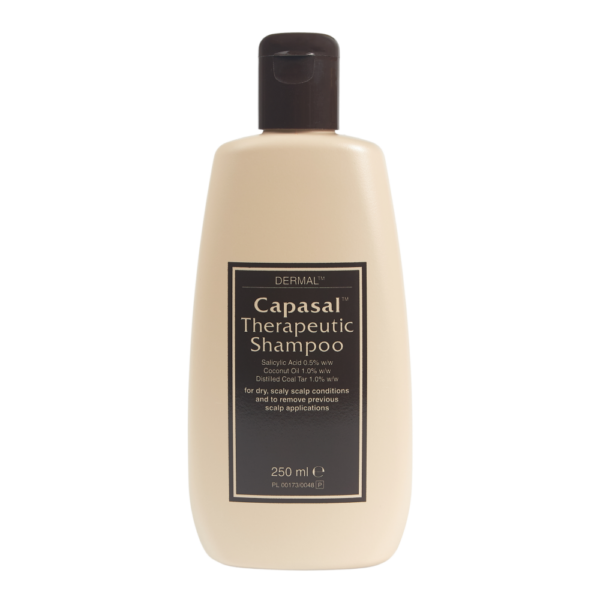
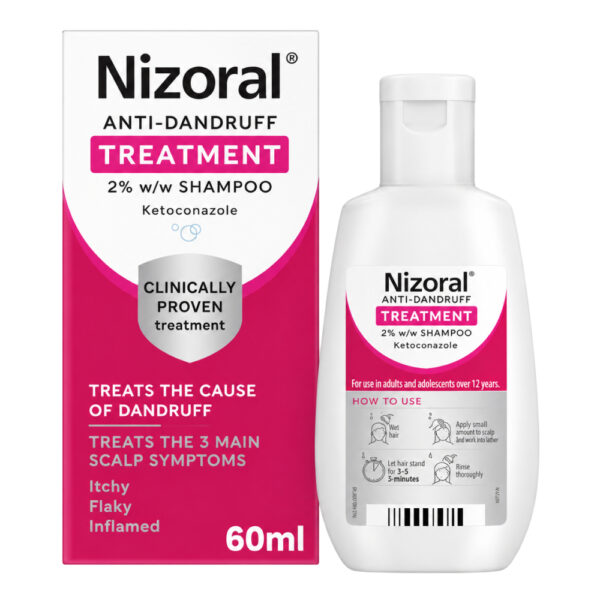
Related Medication
Frequently Asked Questions
Have a question? We're here to help
What is dandruff?
Dandruff is a common scalp condition that causes white or grey flakes of dead skin to appear in the hair or fall onto the shoulders. It can also cause an itchy, dry or irritated scalp.
Dandruff is often associated with seborrhoeic dermatitis, a mild inflammatory skin condition that affects areas with higher oil production. Although it can be frustrating or embarrassing, dandruff is not harmful or contagious and can usually be managed with suitable treatments.
What causes dandruff?
Dandruff can develop due to several factors, including excess scalp oil, skin sensitivity and the natural yeast called Malassezia, which lives on most people’s skin. Other contributing factors include dry weather, stress, eczema and psoriasis.
Dandruff is not caused by poor hygiene, although infrequent hair washing can make flakes more noticeable. Understanding the underlying cause can help you choose an appropriate anti-dandruff treatment.
Why do I have dandruff?
If you have dandruff, it may be because your scalp is producing excess oil or reacting to naturally occurring yeast. Your skin may also be more sensitive to certain hair products, shampoos or environmental changes.
Stress, cold weather and underlying skin conditions such as eczema or psoriasis can also contribute. Dandruff can affect anyone, regardless of hair type or how frequently they wash their hair.
Is dandruff contagious?
No, dandruff is not contagious, so you cannot catch it from another person through physical contact, sharing hairbrushes or wearing the same hats. Although dandruff is sometimes associated with Malassezia, a naturally occurring yeast on the skin, this does not mean it is an infectious condition.
Dandruff develops due to individual scalp conditions and sensitivities rather than being passed between people.
Is dandruff a fungus?
Dandruff is not technically a fungal infection, but a naturally occurring yeast called Malassezia, which is a type of fungus, can contribute to its development. This yeast lives on most people’s scalps and feeds on natural skin oils.
In some individuals, sensitivity to the yeast and its by-products can trigger irritation, inflammation and increased skin shedding. This is why antifungal ingredients, such as ketoconazole, are commonly used in medicated anti-dandruff shampoos.
How does dandruff form?
Dandruff forms when the scalp sheds skin cells more noticeably than usual. The skin naturally renews itself, but factors such as excess oil, sensitivity to Malassezia yeast and inflammation can disrupt this process.
As a result, dead skin cells accumulate and clump together, forming visible white or grey flakes. These flakes may become trapped in the hair or fall onto clothing, sometimes accompanied by itching and scalp irritation.
How to treat dandruff?
Dandruff can usually be treated with medicated anti-dandruff shampoos. Look for products containing active ingredients such as ketoconazole, selenium sulphide, salicylic acid or coal tar, depending on your symptoms. Follow the product instructions carefully, as some shampoos need to remain on the scalp for several minutes before rinsing.
It may take up to four weeks to see improvements. If symptoms persist, become severe or cause significant irritation, speak to a healthcare professional.
Can dandruff cause hair loss?
Dandruff does not usually cause permanent hair loss. However, persistent scalp irritation and frequent scratching can damage the scalp and contribute to temporary hair shedding or breakage. If your dandruff is particularly severe or accompanied by inflamed patches, it is important to identify the underlying cause.
Some conditions that resemble dandruff, such as scalp ringworm (tinea capitis), can cause patchy hair loss and require specific treatment.
Is dandruff itchy?
Yes, dandruff can cause an itchy scalp, although not everyone experiences itching. The irritation is often associated with inflammation, excess oil and sensitivity to naturally occurring Malassezia yeast. Scratching may temporarily relieve the discomfort but can further irritate the scalp and potentially cause damage.
Using an appropriate medicated anti-dandruff shampoo may help reduce both itching and flaking. If your scalp becomes painful, swollen or particularly itchy, seek medical advice.
Proudly Supported By Industry Experts








Superintendent Pharmacist: Justin Dicks 2038305
© Total Access Health LTD. All rights reserved.
Pharmacy Address: 42 Barnard Road, Norwich, NR5 9JB