

Rated 4.8


Start Your Shingles Consultation
Complete a quick and easy questionnaire and one of our prescribers will make sure this treatment is right for you.
 4.8/5 rating on Trustpilot
 Trusted UK Registered Pharmacy
 Takes Under 2 Minutes
 Secure and Confidential

Treatments

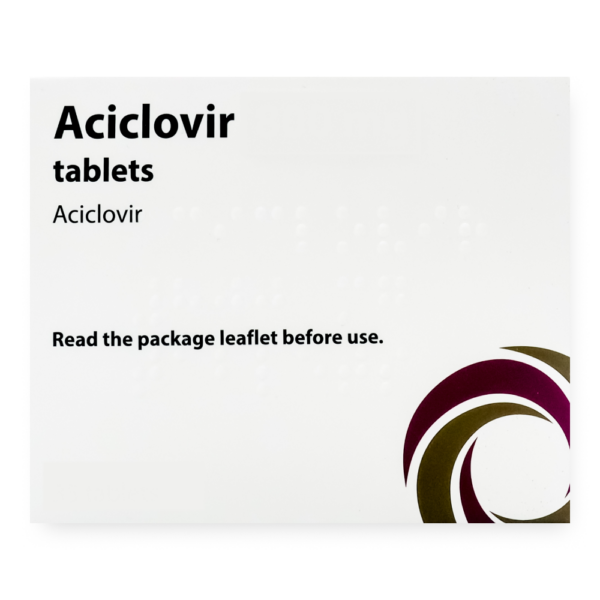
Related Medication
Frequently Asked Questions
Have a question? We're here to help
How long does it take for shingles to go away?
Shingles usually takes between 2 and 4 weeks to clear up completely. The blisters typically dry out and form scabs within 7–10 days, although the affected skin may remain sensitive or painful for longer. Some people experience ongoing nerve pain for several months after the rash has disappeared, known as post-herpetic neuralgia.
Starting antiviral treatment early can help speed up recovery and reduce the severity of symptoms.
What causes a shingles outbreak?
Shingles is caused by the reactivation of the varicella-zoster virus, the same virus responsible for chickenpox. After recovering from chickenpox, the virus remains dormant in the body’s nervous system and can reactivate years later, causing a shingles outbreak.
The risk increases with age and a weakened immune system. Certain illnesses and treatments, including chemotherapy, can also increase the likelihood of developing shingles.
What are the first signs of shingles?
The first signs of shingles often include tingling, itching, burning or pain in a specific area of skin. Some people also experience headaches, fever or a general feeling of being unwell. A few days later, a painful rash usually develops, followed by clusters of fluid-filled blisters.
The rash typically appears on one side of the body. Recognising these early symptoms is important, as antiviral treatment works best when started within 72 hours of the rash appearing.
Can shingles go away on their own?
Yes, shingles can go away on its own without medical treatment, and many people recover within 2–4 weeks. However, antiviral medication may be recommended to reduce the severity and duration of symptoms, particularly for people at higher risk of complications.
Treatment is most effective when started within 72 hours of the rash appearing. It is important to seek medical advice promptly if you suspect shingles, rather than waiting for the rash to clear naturally.
What not to do when you have shingles?
When you have shingles, avoid scratching or picking at the blisters, as this can increase the risk of bacterial infection and scarring. Avoid tight clothing, rough fabrics and adhesive dressings that may irritate the affected skin.
You should also avoid sharing towels and maintain good hand hygiene. While the rash is blistering and weeping, avoid close contact with pregnant women who have not had chickenpox, newborn babies and people with weakened immune systems.
Why can't you shower with shingles?
You can shower when you have shingles. In fact, keeping the affected skin clean can help reduce the risk of infection. However, it is important to avoid very hot water, vigorous scrubbing and fragranced products that could irritate the rash.
Use lukewarm or cool water and gently pat the affected area dry with a clean towel rather than rubbing it. Keeping the blisters clean and dry can help support the healing process.
What foods should you avoid when you have shingles?
There are no specific foods that you need to avoid when you have shingles, and there is currently no strong scientific evidence that particular foods can trigger or worsen an outbreak.
Instead, focus on eating a balanced diet containing fruit, vegetables, whole grains and protein to support general health and recovery.
Drinking plenty of water is also important, particularly if you have a fever or feel unwell. A healthy diet can support your immune system while your body recovers.
Where is the most common place to get shingles?
Shingles most commonly appears on the chest, abdomen or back, usually as a painful strip or cluster of blisters affecting just one side of the body. However, it can develop anywhere, including the face, neck and around the eyes.
Shingles affecting the eye requires urgent medical attention because it can potentially cause vision problems. If you notice a painful, blistering rash on one side of your body, seek medical advice as soon as possible.
What should I expect from the Shingles consultation?
The Shingles consultation is where you can provide us with details about your shingles condition and other medical information that we can use to assess your personal situation and determine what the appropriate treatment plan is for you.
How long will the Shingles consultation take to complete?
The Shingles consultation is a quick process that is designed to be convenient. It can typically be completed in under 2 minutes by providing details about your shingles condition and other relevant medical information.
What information will I need to be able to complete the Shingles consultation?
For the Shingles consultation, you will need to answer questions about your shingles condition, such as previous diagnoses, symptoms and which part of your body is affected. You will also need to provide other general medical information such as any allergies to medications, current medications and other medical or mental health condition diagnoses.
What happens after I’ve completed the Shingles consultation?
After you’ve completed the Shingles consultation, you will then be moved onto selecting and purchasing your desired shingles medication. One of our prescribers will review your consultation responses, and we will get back to you if we require any further information.
Once your chosen treatment has been confirmed, your order will be packaged in our discreet and recyclable packaging and shipped to you using your preferred delivery method.
Will I be able to request which shingles medication I order after the Shingles consultation?
You will be able to choose the shingles medication you wish to purchase after completing the Shingles consultation. The choices include:
Your request will be verified by our prescribers based on your consultation responses to ensure that it is appropriate for you. Please be aware that the decision to prescribe a particular medication always rests with the prescriber.
How often should I complete a Shingles consultation?
A new Shingles consultation should be completed whenever your condition changes, as the information you provide during the consultation may differ from the previous one. This allows our prescribers to review your shingles condition again and make any necessary changes to your treatment plan. This ensures that you receive the appropriate treatment for your shingles condition and that we adhere to the guidelines set by the GPhC.
How will the Shingles consultation be conducted?
The Shingles consultation is conducted via an online questionnaire, where you will be asked a few questions about your condition and other relevant medical questions. The answers you provide will then be reviewed by one of our prescribers, who will determine if shingles treatment is right for you.

Proudly Supported By Industry Experts








Superintendent Pharmacist: Justin Dicks 2038305
© Total Access Health LTD. All rights reserved.
Pharmacy Address: 42 Barnard Road, Norwich, NR5 9JB