

Rated 4.8


Start Your Scabies Consultation
Complete a quick and easy questionnaire and one of our prescribers will make sure this treatment is right for you.
 4.8/5 rating on Trustpilot
 Trusted UK Registered Pharmacy
 Takes Under 2 Minutes
 Secure and Confidential

Treatments
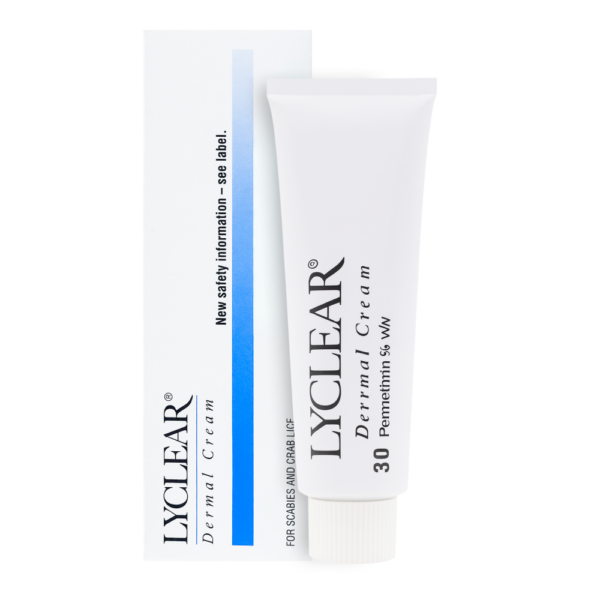
Related Medication
Frequently Asked Questions
Have a question? We're here to help
What is scabies and how do you treat it?
Scabies is a contagious skin condition caused by tiny mites that burrow into the skin, causing an itchy rash, which is often worse at night. Scabies is usually treated with a medicated cream or lotion which kills the mites.
Treatment should be applied as directed and repeated after seven days. Household members and close contacts should also be treated at the same time to prevent reinfection.
How long does it take to treat scabies?
Scabies treatment usually involves two applications of a medicated cream or lotion, seven days apart. The medication kills the mites, but itching and skin irritation can continue for several weeks afterwards as the body’s immune system reacts to the dead mites.
Most people notice gradual improvement following treatment. It is important to treat close contacts simultaneously and follow hygiene advice to prevent scabies from returning.
What happens if you don't treat scabies?
If scabies is left untreated, the mites will continue to reproduce and spread across the skin. The intense itching can lead to persistent scratching, which may damage the skin and increase the risk of bacterial infections, such as impetigo.
Scabies can also spread easily to household members and sexual partners through prolonged skin-to-skin contact. Seeking appropriate scabies treatment promptly helps relieve symptoms and prevent further transmission.
How do you treat post-scabies syndrome?
Post-scabies syndrome refers to ongoing itching, redness or skin irritation after the scabies mites have been successfully eliminated. This happens because the immune system continues reacting to the mites and their waste products.
Symptoms can be managed with moisturisers, soothing menthol creams, antihistamines or prescribed mild steroid creams. Avoid excessive scratching, as this can damage the skin.
If itching persists beyond four to six weeks, or new burrows appear, seek medical advice to check for reinfection.
How do you treat scabies itching?
Scabies itching can be extremely uncomfortable, particularly at night. Once the infestation has been treated, moisturisers and soothing menthol creams may help calm irritated skin.
A pharmacist or GP may also recommend antihistamines to help manage itching or improve sleep, or a mild steroid cream to reduce inflammation.
Avoid scratching where possible, as this can cause skin infections. Remember that itching can continue for several weeks even after successful scabies treatment.
What happens when you treat scabies?
When you treat scabies, medication such as permethrin cream works by killing the mites responsible for the infestation. You may initially notice continued itching, redness or irritation, even after treatment has worked. This is a normal immune response and does not necessarily mean the infestation is still present.
Treatment generally needs repeating after seven days, and close contacts should be treated simultaneously. Washing bedding, towels and clothing at 60°C or above also helps prevent reinfection.
Proudly Supported By Industry Experts








Superintendent Pharmacist: Justin Dicks 2038305
© Total Access Health LTD. All rights reserved.
Pharmacy Address: 42 Barnard Road, Norwich, NR5 9JB