

Rated 4.7


Fluoxetine
Prescription Only Medication (POM)

Price Checker
Please select the product variation first.

About the product
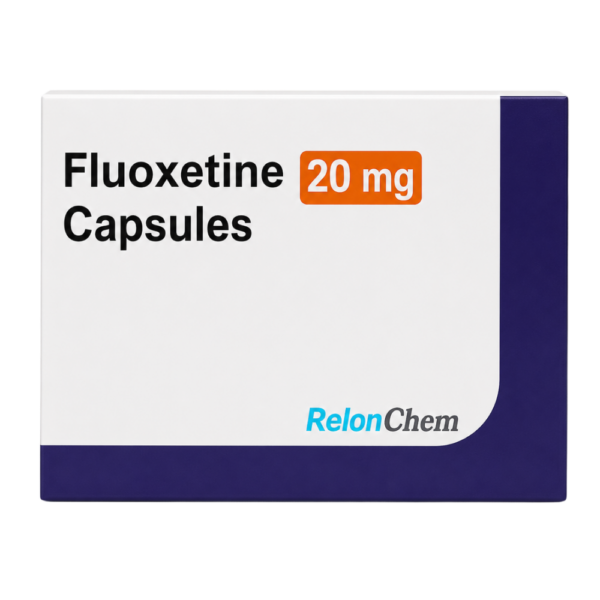
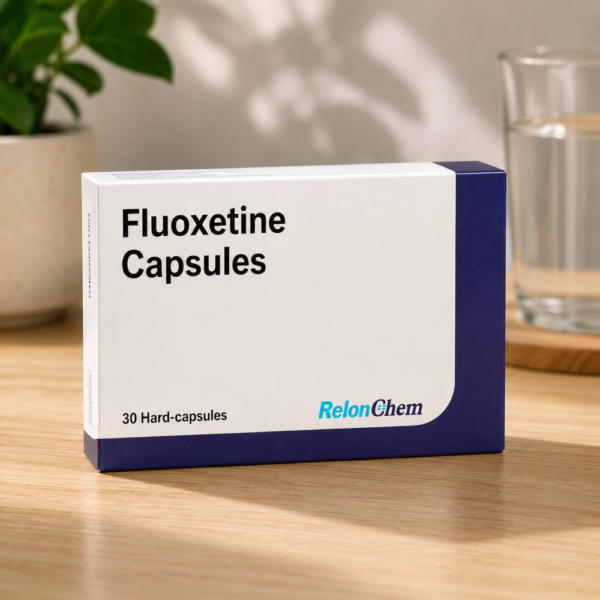
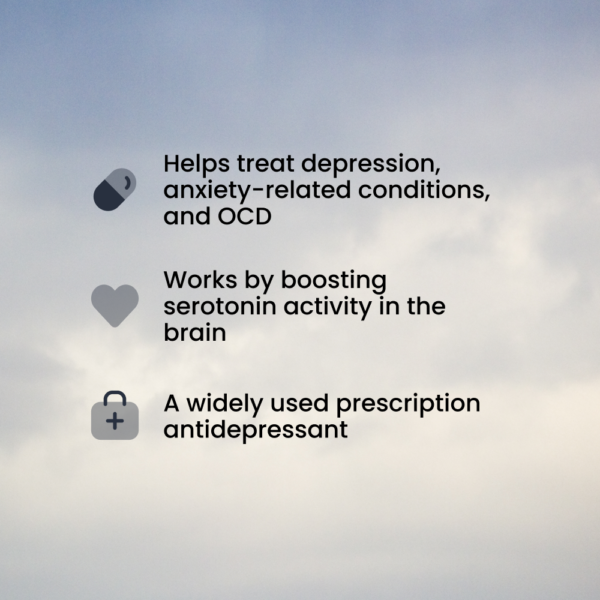
Fluoxetine Capsules are used to treat depression and anxiety-related conditions.
It works by boosting serotonin levels in the brain to improve mood and reduce symptoms of anxiety and compulsive behaviour.
Overview
FAQ
Directions
Side Effects
How it works
Delivery
Ingredients
Warnings
Overview
Fluoxetine is a prescription medication classified as a selective serotonin reuptake inhibitor (SSRI). It is commonly used to treat depression.
Fluoxetine works by increasing serotonin levels in the brain, which can help improve mood, sleep, and emotional balance. It is often prescribed as part of a broader mental health treatment plan.
Frequently Asked Questions
Have a question? We're here to help
How long does Fluoxetine take to work?
It may take a few weeks before you begin to notice improvements in mood and symptoms. In some cases, it can take up to 6 to 8 weeks for the full effects of Fluoxetine to be felt. It is important to continue taking Fluoxetine as prescribed, even if you do not notice immediate results.
Can I stop taking Fluoxetine suddenly?
You should not stop taking Fluoxetine abruptly without consulting your doctor. Stopping suddenly can lead to withdrawal symptoms such as mood changes, irritability, or dizziness. Your doctor may recommend gradually reducing your Fluoxetine dose.
Does Fluoxetine affect sleep patterns?
Fluoxetine can affect sleep, especially when you first start taking it. Some people may experience insomnia, while others feel more tired than usual. Taking Fluoxetine in the morning can help reduce sleep disturbances. If sleep problems persist, speak to your healthcare provider for advice.
Can Fluoxetine cause weight changes?
Fluoxetine may cause changes in appetite, which can lead to weight loss or, less commonly, weight gain. These effects vary between individuals. Monitoring your diet and maintaining a healthy lifestyle while taking Fluoxetine can help manage any changes in weight.
What should I do if I miss a dose of Fluoxetine?
If you miss a dose of Fluoxetine, take it as soon as you remember unless it is close to your next scheduled dose. Do not take a double dose to make up for a missed one. Consistency is important when taking Fluoxetine, so try to take it at the same time each day.
Can Fluoxetine interact with other medications?
Yes, Fluoxetine can interact with a range of medications. These interactions can increase the risk of side effects or reduce effectiveness. Always inform your healthcare provider about any medicines or supplements you are taking before starting Fluoxetine.
Can fluoxetine cause heartburn?
Yes, fluoxetine can sometimes cause gastrointestinal side effects such as heartburn, indigestion, or stomach discomfort. These symptoms are usually mild and may improve as your body adjusts to fluoxetine.
Is fluoxetine addictive?
No, fluoxetine is not addictive. It does not cause dependence or cravings. However, you should not stop taking fluoxetine suddenly, as this may lead to withdrawal-like symptoms or a return of your original symptoms.
Directions
Fluoxetine should be taken exactly as prescribed by your healthcare provider. It is usually taken once daily, with or without food. Try to take Fluoxetine at the same time each day to maintain consistent levels in your body. Swallow capsules whole with water, and do not crush or chew them. It may take several weeks before you notice the full benefits of Fluoxetine.
Side Effects
The common side effects of Fluoxetine include nausea, headaches, insomnia, dizziness, dry mouth, and changes in appetite. Some people may also experience increased anxiety when starting Fluoxetine.
The majority of side effects are mild and improve over time. However, serious side effects such as mood changes, suicidal thoughts, or allergic reactions require immediate medical attention.
How it works
Fluoxetine works by increasing the levels of serotonin, a neurotransmitter that helps regulate mood, in the brain. It blocks the reabsorption (reuptake) of serotonin into nerve cells, making more serotonin available.
This improved balance can help reduce symptoms of depression and anxiety, making Fluoxetine an effective long-term treatment for various mental health conditions.
Delivery
e-Surgery uses Royal Mail for delivery, with choices of Royal Mail 48 Tracked, Royal Mail 24 Tracked, and Royal Mail Special Delivery by 1pm (read more here).
Your medication will be delivered in discreet and recyclable packaging.
Ingredients
The active ingredient in Fluoxetine is fluoxetine hydrochloride. In addition to the active compound, Fluoxetine capsules or tablets may contain inactive ingredients such as lactose, gelatin, starch, or colouring agents.
These can vary depending on the manufacturer, so it is important to check the patient leaflet if you have allergies or sensitivities.
Warnings
Fluoxetine may not be suitable for everyone. You should inform your doctor if you have a history of seizures, liver problems, bipolar disorder, or if you are taking other medications, especially MAO inhibitors.
Fluoxetine can interact with other drugs and increase the risk of side effects such as serotonin syndrome. Avoid alcohol where possible, as it may worsen side effects.
Same day dispatch:
0 minutes


Superintendent Pharmacist: Justin Dicks 2038305
© Total Access Health LTD. All rights reserved.
Pharmacy Address: 42 Barnard Road, Norwich, NR5 9JB