

Rated 4.8


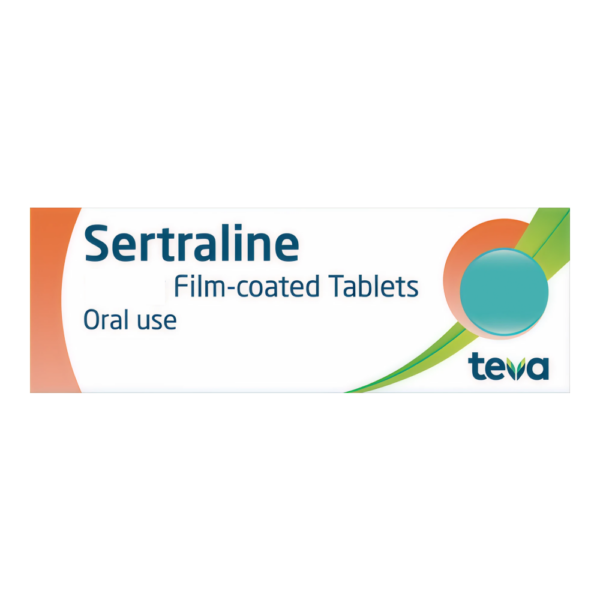
Sertraline
Prescription Only Medication (POM)
Price Checker
Please select the product variation first.

About the product
Sertraline Tablets are used to treat depression.
It works by increasing serotonin levels in the brain, helping to improve mood, sleep, and overall emotional stability.
Overview
FAQ
Directions
Side Effects
How it works
Delivery
Ingredients
Warnings
Overview
Sertraline is a prescription medication belonging to a group of antidepressants known as selective serotonin reuptake inhibitors (SSRIs).
Sertraline is commonly used to treat conditions such as depression. It works by helping to balance serotonin levels in the brain, which can improve mood, sleep, and overall emotional wellbeing.
Frequently Asked Questions
Have a question? We're here to help
What does sertraline do?
Sertraline is an antidepressant belonging to a group of medicines called selective serotonin reuptake inhibitors (SSRIs). It works by increasing the availability of serotonin, a chemical messenger involved in regulating mood, emotions and anxiety.
Sertraline is prescribed to treat conditions including depression, panic disorder, obsessive-compulsive disorder (OCD), post-traumatic stress disorder (PTSD) and social anxiety disorder. It can take several weeks to experience the full benefits of treatment.
How long does Sertraline take to work?
Sertraline may take a few weeks before you begin to notice improvements in your symptoms. Some people may see some improvement in a couple of weeks, but full benefits of Sertraline often take 4–6 weeks. It’s important to continue taking Sertraline as prescribed, even if you don’t feel immediate results, and attend follow-ups with your healthcare provider
Can Sertraline affect sleep patterns?
Sertraline may affect sleep differently depending on the individual. Some people experience insomnia, while others may feel more tired. Taking Sertraline in the morning can help if it causes difficulty sleeping. If sleep disturbances persist, consult your doctor to adjust your dosage or timing.
Can Sertraline cause weight gain?
Some people taking Sertraline may notice changes in appetite, which can lead to weight gain or loss. These effects vary from person to person and are usually mild. Maintaining a balanced diet and regular exercise can help manage any weight changes while taking Sertraline.
What should I do if I miss a dose of Sertraline?
If you miss a dose of Sertraline, take it as soon as you remember unless it’s close to your next scheduled dose. Do not double up to make up for a missed dose. Taking Sertraline consistently at the same time each day helps maintain its effectiveness.
How long should I take Sertraline for?
The duration of Sertraline treatment varies depending on your condition and response to the medication. Your doctor will advise you when it is appropriate to stop or adjust your treatment.
Can I take Sertraline with other medications?
Sertraline can interact with certain medications. These interactions may increase the risk of side effects. Always inform your healthcare provider about any medications or supplements you are taking before starting Sertraline.
Does sertraline make you tired/sleepy?
Yes, Sertraline can cause tiredness or drowsiness in some individuals, especially when first starting treatment. However, others may feel more alert instead. These effects often settle after a few weeks.
Can sertraline cause insomnia?
Yes, Sertraline may cause difficulty sleeping or insomnia in some people, especially at the beginning of treatment. Taking it in the morning can help reduce this effect.
Can sertraline cause headaches?
Headaches are a common early side effect of Sertraline, but they usually improve within the first few weeks of treatment.
Is sertraline addictive?
No, Sertraline is not addictive. However, stopping it suddenly can cause withdrawal symptoms, so it should always be reduced gradually under medical supervision.
Is citalopram stronger than sertraline?
Neither citalopram nor Sertraline is universally “stronger.” They are both SSRIs, and effectiveness varies depending on the individual and condition treated.
Can sertraline cause diarrhoea?
Yes, diarrhoea is a common side effect of sertraline. It can occur because sertraline affects serotonin levels, including serotonin activity in the digestive system. Symptoms are often more noticeable when starting treatment or increasing the dose and may improve as your body adjusts. Drinking plenty of fluids can help prevent dehydration.
Does sertraline make you sweat?
Yes, increased sweating is a recognised side effect of sertraline. Some people experience excessive sweating during the day or night, even when they are not physically active. This happens because serotonin influences the body’s temperature regulation and sweating responses. Symptoms may improve over time, but if sweating becomes uncomfortable or excessive, speak to your GP.
Does sertraline cause hair loss?
Hair loss is a possible but uncommon side effect of sertraline. Some people report increased hair shedding or thinning while taking the medication. However, hair loss can also have other causes, including stress, hormonal changes and nutritional deficiencies.
If you notice significant or persistent hair loss after starting sertraline, speak to your GP to investigate the cause. Do not stop taking sertraline without medical advice, as suddenly stopping can cause withdrawal symptoms.
Can sertraline affect periods?
Yes, sertraline can affect menstrual cycles in some women. Reported side effects include irregular periods, changes in menstrual bleeding and, occasionally, heavier vaginal bleeding. Sertraline affects serotonin, which can influence processes involved in blood clotting. If your periods become unusually heavy, irregular or painful after starting treatment, seek medical advice.
Can sertraline make ADHD worse?
Sertraline does not directly treat ADHD, and there is no established evidence that it routinely makes ADHD symptoms worse. However, some people experience restlessness, sleep disturbances or increased anxiety when starting treatment, which may make concentration and attention more difficult.
Sertraline can also interact with certain ADHD medications, particularly stimulant medicines. If you have ADHD and notice changes in your symptoms after starting sertraline, discuss your treatment with your prescriber before making any changes.
Why should you not take sertraline at night?
There is no general rule that sertraline must not be taken at night. However, some people experience insomnia or difficulty sleeping when taking it, making morning administration more suitable. Others experience drowsiness, in which case an evening dose may be preferable. The best time depends on how your body responds to the medication.
When is the best time to take sertraline?
The best time to take sertraline depends on whether it makes you feel sleepy or affects your sleep. Sertraline can be taken once daily, either in the morning or evening, preferably at the same time each day. If it causes insomnia, taking it in the morning may help. If it makes you feel drowsy, your prescriber may recommend taking it in the evening.
Foods to avoid when taking sertraline?
Most foods can be eaten normally while taking sertraline, and there is no specific diet that needs to be followed. However, grapefruit and grapefruit juice should be avoided because they can increase sertraline levels in the bloodstream, potentially increasing side effects. It is also sensible to limit excessive caffeine if it makes you feel anxious or affects your sleep.
Can you drink alcohol on sertraline?
It is generally recommended that you avoid alcohol while taking sertraline. Alcohol can increase side effects such as dizziness, drowsiness and impaired concentration. It may also worsen symptoms of depression or anxiety, potentially making treatment less effective. The effects can vary between individuals, so speak to your prescriber if you are unsure about drinking alcohol during treatment.
Why can't you have grapefruit with sertraline?
Grapefruit and grapefruit juice can interfere with enzymes involved in breaking down certain medicines, potentially increasing the amount of sertraline in your bloodstream. This may increase the likelihood of side effects, including nausea, dizziness and sleep disturbances. Although the extent of the interaction can vary, official prescribing information recommends avoiding grapefruit juice while taking sertraline.
Can you take ibuprofen with sertraline?
Taking ibuprofen with sertraline is generally not recommended without medical advice. Ibuprofen belongs to a group of medicines called non-steroidal anti-inflammatory drugs (NSAIDs), which can increase the risk of stomach irritation and bleeding. Sertraline can also affect platelet function, potentially increasing this risk further when the medicines are combined.
Can you take paracetamol with sertraline?
Yes, paracetamol is generally considered suitable for use alongside sertraline, as there is no well-established clinically significant interaction between the two medicines. It can be used to help relieve common aches, pains and headaches. However, always follow the recommended dosage instructions and avoid taking other products that also contain paracetamol.
Can you take ashwagandha with sertraline?
You should speak to your GP or pharmacist before combining ashwagandha with sertraline. Ashwagandha is a herbal supplement that may affect the nervous system, and there is limited evidence about its safety when taken alongside antidepressants. Some reports have raised concerns about possible interactions and increased side effects, although the clinical significance is not fully established.
Can I take magnesium with sertraline?
There is no well-established significant interaction between magnesium supplements and sertraline. However, this does not guarantee that every magnesium product or dosage is suitable for everyone. Magnesium supplements can sometimes cause digestive side effects, including diarrhoea, which may overlap with common sertraline side effects.
Before starting a supplement, check with your pharmacist, particularly if you take other medicines or have kidney problems. Always follow the recommended supplement dosage.
Can you take diazepam with sertraline?
Sertraline and diazepam can sometimes be prescribed together, but only under appropriate medical supervision. Diazepam is a benzodiazepine used to treat anxiety and other conditions, and combining it with sertraline may increase side effects such as drowsiness, dizziness and impaired coordination. This can affect your ability to drive or operate machinery
Can you take sertraline while pregnant?
Sertraline can be prescribed during pregnancy when the benefits of treatment outweigh the potential risks. Untreated depression and anxiety can also affect the health and wellbeing of both mother and baby, so treatment decisions should be individualised. Some babies may experience temporary withdrawal-like symptoms after birth, and there may be a small increased risk of certain complications.
If you become pregnant while taking sertraline, speak to your GP or specialist. Do not stop taking it suddenly without medical advice.
Directions
Sertraline is usually taken once daily, either in the morning or evening, with or without food. It’s important to take Sertraline exactly as prescribed by your doctor, at the same time each day to maintain consistent levels in your system. Do not suddenly stop taking Sertraline without medical advice, as this may cause withdrawal symptoms.Side Effects
The common side effects of Sertraline include nausea, dizziness, dry mouth, fatigue, and trouble sleeping. Some people may also experience changes in appetite or sexual function.
The majority of side effects are mild and improve over time. However, if you notice severe reactions such as mood changes, agitation, or unusual bleeding while taking Sertraline, you should seek medical advice promptly.
How it works
Sertraline works by increasing the levels of serotonin, a neurotransmitter that influences mood, in the brain. It does this by preventing the reabsorption (reuptake) of serotonin into nerve cells.
By maintaining higher serotonin levels, Sertraline can help improve symptoms of depression, leading to better emotional stability and mental health over time.
Delivery
We use Royal Mail for delivery. The delivery options available include Royal Mail Tracked 48, Royal Mail Tracked 24, and Royal Mail Special Delivery by 1pm (read more about delivery).
Your order will arrive in discreet and recyclable packaging at a delivery address of your choice.
Ingredients
The active ingredient in Sertraline is sertraline hydrochloride.
Tablets may also contain inactive ingredients such as calcium hydrogen phosphate, microcrystalline cellulose, magnesium stearate, and coating agents. These additional ingredients help form the tablet and ensure stability.
Warnings
Sertraline may not be suitable for everyone, especially those with a history of seizures, liver problems, or bipolar disorder. It can interact with other medications, including MAO inhibitors and certain painkillers.
You must always consult your healthcare provider before starting this medication.
Same day dispatch:
0 minutes


Superintendent Pharmacist: Justin Dicks 2038305
© Total Access Health LTD. All rights reserved.
Pharmacy Address: 42 Barnard Road, Norwich, NR5 9JB