
Weight-loss medication is becoming increasingly common part of conversations about health and obesity. But with different products available from online distributors like e-pharmacy.com, it can be difficult to understand which medications do what! In this blog we will answer what each medication does, how effective they are and why some can be bought over the counter while others require a prescription.
What are Alli and orlistat?
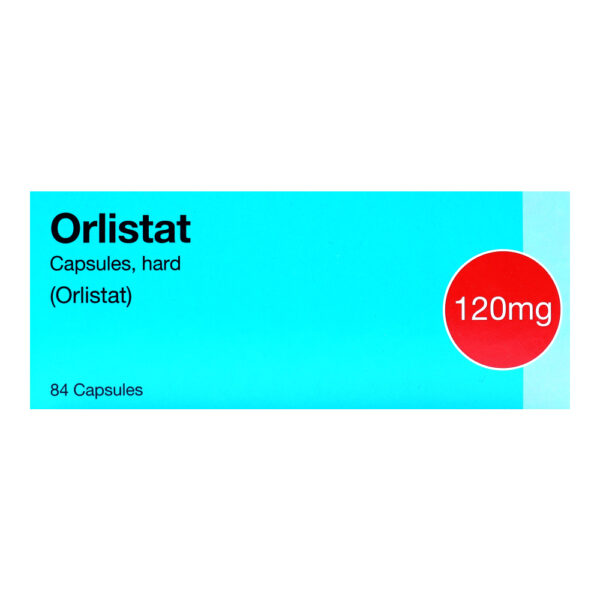
Orlistat is an active ingredient in medications used to support weight loss in adults who are overweight or living with obesity. It works differently from appetite-suppressing medicines: rather than making you feel fuller or reducing hunger, it acts within the digestive system to limit the absorption of fat from food.
There are two commonly recognised formulations of Orlistat in the UK:
- Alli – This contains 60mg of Orlistat per capsule and is available from pharmacies without a prescription.
- Xenical – This contains 120mg of Orlistat per capsule and is prescription only.
Both are intended to be used alongside a reduced-calorie diet and lifestyle changes. Neither replaces a balanced diet, physical activity or appropriate medical support.
Why is Alli available over the counter, while Xenical requires a prescription?
At first glance, the distinction may seem unusual. If both products contain the same active ingredient, why can one be purchased directly from a pharmacy while the other requires a prescription?
The main difference is the Licensed dose and the regulatory arrangements governing their supply.
Alli Contains half the amount of Orlistat found in Xenical. This dose not mean that Alli is risk-free or that prescription medications are automatically more effective. Over-the-Counter medications undergo regulatory assessments, and their availability depends on factors such as their intended use, dose, safety profile and suitability for use with supervision.
In the UK Alli is intended for Adults and a Pharmacist can assess whether it is suitable and identify circumstances in which medical advice is needed.
Prescription Orlistat requires a BMI of at least 28, and a prescriber must review this medication alongside other on-going needs, It is important to distinguish between being eligible to purchase a medicine and being eligible for NHS-funded treatment. Meeting the criteria for prescription orlistat does not automatically guarantee NHS provision.
How effective are Alli and Xenical?
Both formulations aim to achieve the same outcome: reducing dietary fat absorption to support weight loss.
Orlistat at the recommended dose can prevent approximately 30% of the fat consumed in a meal from being absorbed. The 60 mg dose generally blocks a smaller proportion than the 120 mg dose, so the formulations should not be considered identical in strength.
However, the amount of fat that is not absorbed does not translate directly into a predictable amount of weight lost. Actual results depend on overall calorie intake, dietary composition, adherence to treatment, physical activity and individual factors.
Clinical evidence supports orlistat as an aid to weight loss when combined with lifestyle changes. On average, its additional benefit over diet and lifestyle measures alone is modest, and individual results vary.
The higher dose does not mean that everyone will lose twice as much weight. Weight loss is influenced by numerous factors, and the difference in dose should not be interpreted as a proportional difference in results.
What are the side effects?
One of the most important things to understand about orlistat is that many of its common side effects are directly related to how it works.
Because some dietary fat remains undigested, it passes through the digestive system rather than being absorbed. This can cause gastrointestinal symptoms, particularly after meals containing a lot of fat.
Common side effects include:
- Oily or fatty stools.
- Increased frequency of bowel movements.
- An urgent need to use the toilet.
- Oily spotting or leakage.
- Wind, sometimes accompanied by discharge.
- Abdominal discomfort or pain.
- Diarrhoea.
These effects can be inconvenient and may interfere with daily activities. They are often more pronounced when the recommended lower-fat diet is not followed. Taking a higher dose means that these side effects may be more common.
A practical consideration is that orlistat makes dietary choices particularly relevant to treatment tolerability. Large, high-fat meals can increase the likelihood of unpleasant gastrointestinal effects.
Rare but potentially serious adverse effects have also been reported, including liver injury, kidney complications and pancreatitis. Severe, persistent abdominal pain, jaundice or other concerning symptoms warrant prompt medical assessment.
Importantly, these risks are not exclusive to the prescription-strength product. Both formulations contain orlistat, so the lower dose does not eliminate the possibility of adverse effects.
Can orlistat affect vitamin absorption?
Yes. Orlistat can reduce the absorption of fat-soluble vitamins A, D, E and K. A multivitamin containing these nutrients may be recommended, taken at least two hours apart from orlistat, such as at bedtime.
Who should avoid orlistat, and what interactions should be considered?
Orlistat is unsuitable for people with chronic malabsorption syndrome or cholestasis and should not be used during pregnancy. Alli is also contraindicated during breastfeeding. Those with kidney or liver problems should seek medical advice.
It can interact with medicines including ciclosporin, warfarin, levothyroxine and amiodarone. Consult a pharmacist or prescriber before starting treatment, particularly if taking regular medication.
How should orlistat be taken?
The usual adult dose is one capsule three times daily, with each main meal containing fat, taken immediately before, during or up to one hour afterwards. Skip the dose if a meal is missed or contains no fat.
Treatment should accompany a balanced, reduced-calorie diet with no more than approximately 30% of calories from fat, alongside regular physical activity. Prescription treatment is generally reviewed after 12 weeks and discontinued if weight loss is insufficient.
Alli vs Xenical: Which is better?
Neither is universally better. Alli offers a lower-dose, pharmacy-supervised option, while prescription-strength Xenical provides a higher dose alongside clinical oversight. Suitability depends on individual health, medication, side effects and weight-loss goals.
Conclusion
Both Alli and Xenical contain orlistat but differ in dosage and availability. They can support weight loss alongside dietary changes, although neither guarantees results. The best option balances effectiveness, safety and individual needs. Contact our team today via our ask-a-pharmacist service for support in finding the best choice for you.