

Key Takeaways
- Wegovy 7.2mg is a new higher-strength dose approved for adults with obesity. MHRA-approved in January 2026, it is intended for patients already stable on the 2.4mg dose who have plateaued and is not suitable for those just starting treatment or patients with a BMI below 30.
- Clinical trials show significantly greater weight loss than the standard dose. The STEP UP trial found patients lost an average of 20.7% of their body weight at 7.2mg, compared to 17.5% at 2.4mg, with around one in three participants losing 25% or more.
- Never increase your dose without speaking to a clinician first. While side effects are mostly mild to moderate, the higher dose carries an increased risk of gastrointestinal effects and dysaesthesia, so a prescriber must assess your suitability before any dose change.
If you’re currently taking Wegovy (semaglutide) for weight management, or are exploring your options, you may have heard that a new, higher-strength dose has recently become available in the UK. The new Wegovy 7.2mg dose was approved by the Medicines and Healthcare products Regulatory Agency (MHRA) in January 2026 and has since attracted significant attention from patients and clinicians alike. Here is what you need to know:
What is Wegovy 7.2mg?
Wegovy is a weekly injectable weight loss treatment containing semaglutide, a glucagon-like peptide-1 (GLP-1) receptor agonist. It works by mimicking a hormone in the body that regulates appetite, helping you feel fuller for longer and reducing food cravings. Until early 2026, the highest available licensed dose in the UK was 2.4mg per week.
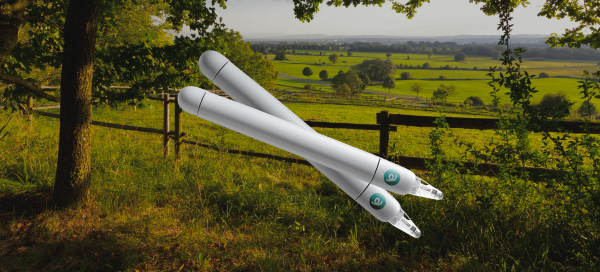
Wegovy 7.2mg is the new maximum dose, approved by the MHRA on 6 January 2026 and developed by Novo Nordisk for adults with obesity who require greater clinical support for weight loss. The MHRA subsequently approved a single-dose 7.2mg pen in April 2026, specifically for adults with a BMI of 30 kg/m² or higher. At present, the dose is typically administered using three standard 2.4mg pens on the same day each week, though a dedicated single-injection pen will soon be available.
Who is Wegovy 7.2mg For?
The 7.2mg dose is not intended for everyone starting a Wegovy programme. It has been developed specifically for adults who:
- Are already stable on the 2.4mg maintenance dose with minimal or no significant side effects
- Have reached a weight loss plateau or are no longer achieving adequate progress at the lower dose
- Meet the criteria for obesity treatment under current clinical guidelines
It is important to note that this higher dose applies to adults with obesity (BMI of 30 kg/m² or above). It does not currently extend to overweight patients with a BMI below 30 who are using Wegovy for weight management. As always, a prescriber will assess your individual medical history, current treatment plan, and tolerability before recommending a dose increase.
If you feel your progress on 2.4mg has stalled, speak to your clinician before making any changes to your dose.
How Effective is Wegovy 7.2mg?
Clinical evidence for the 7.2mg dose is robust. The STEP UP trial, published in The Lancet Diabetes and Endocrinology in 2025, studied adults with obesity over 72 weeks and found that those taking the 7.2mg dose lost an average of 20.7% of their body weight, compared to 17.5% with the standard 2.4mg dose over the same period. Notably, around one in three participants achieved 25% or more weight loss. The 7.2mg dose brings non-surgical weight loss outcomes closer to those seen following some surgical interventions.
Side Effects of the 7.2mg Dose
As with all Wegovy doses, the most common side effects at 7.2mg affect the digestive system. These include nausea, vomiting, diarrhoea, constipation, and stomach discomfort. The STEP UP trial found that gastrointestinal side effects occurred somewhat more frequently at the higher dose, though most were mild to moderate in severity, and the proportion of participants who discontinued due to side effects was comparable to that seen with the 2.4mg dose in earlier trials.
One side effect that is more notable at this dose is dysaesthesia. This is an altered or unpleasant skin sensation, such as tingling, burning, numbness, or sensitivity. Approximately 23% of trial participants reported this. However, around 86% of those affected continued their treatment and fully recovered whilst remaining on the medication, indicating that most cases are manageable and resolve over time.
If you experience dysaesthesia and symptoms become severe or persistent, contact your clinician. A dose reduction or pause in treatment may be recommended in some cases.
As with any Wegovy dose, there is also a risk of more serious but less common side effects, including pancreatitis, gallbladder problems, and a possible increased risk of thyroid conditions. These should be discussed with your prescriber before starting or escalating treatment.
How to Take the Wegovy 7.2mg Dose
The 7.2mg dose follows the same principles as other Wegovy doses. It is a once-weekly subcutaneous injection, administered on the same day each week. Most patients will have worked up to this dose gradually through the standard titration schedule, starting at 0.25mg and increasing every four weeks as tolerated.
Currently, until the single-injection pen becomes more widely available, the 7.2mg dose is delivered using three separate 2.4mg injections administered on the same day. Each injection should be given into the abdomen, thigh, or upper arm, rotating sites each week. If injecting into the same area, sites should be at least 5cm apart.
A dedicated single-dose 7.2mg injection pen which simplifies the administration to just one injection was approved by the MHRA in April 2026 and is expected to become more broadly available through private providers in the coming months.

A Note on Next Steps
If you feel you are a suitable candidate and are considering moving to the 7.2mg dose, do not self-prescribe or increase your dose without clinical guidance. Speak to your prescriber or clinician to discuss whether this is the right step for your treatment journey. You can get in contact with a prescriber or clinician with us at e-Surgery here, or view other available weight-loss managements here.

Please note that this article is for educational purposes only and does not constitute professional medical advice. Always speak to a doctor or clinician before starting or changing medication and treatments.