

Rated 4.6


Start Your Dermatitis Consultation
Complete a quick and easy questionnaire and one of our prescribers will make sure this treatment is right for you.

4.6/5 Trustpilot Rating

Trusted UK Registered Pharmacy

Takes Under 2 Minutes

Secure and Confidential

Justin Dicks
Superintendent Pharmacist
GPhC Number 2038305
Treatments


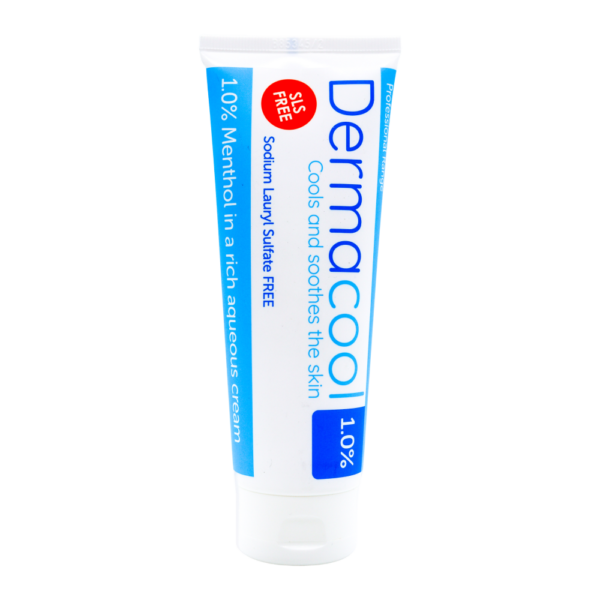
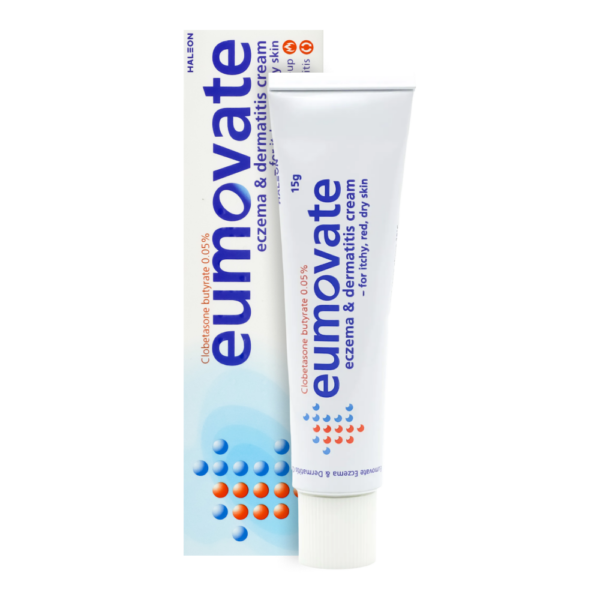
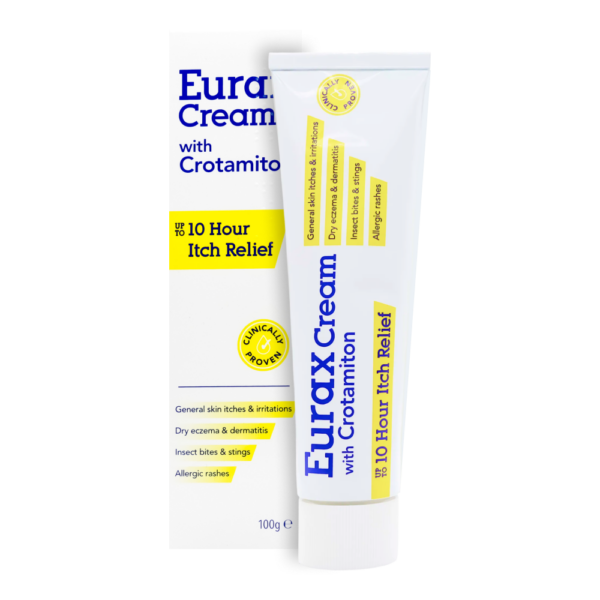
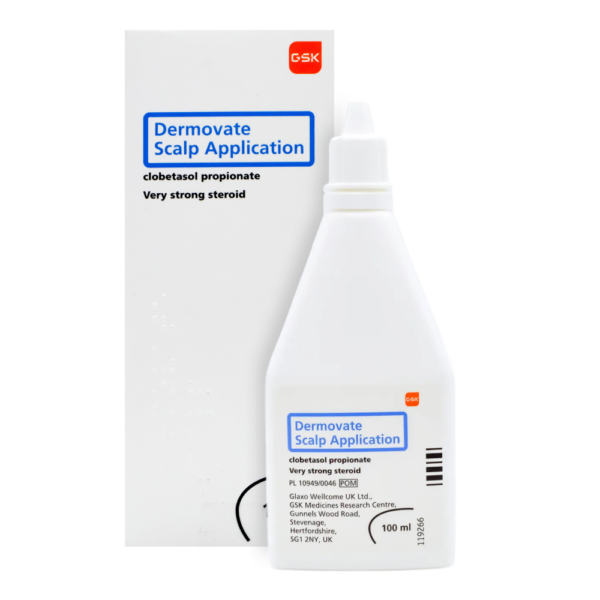
Related Medication
Frequently Asked Questions
Have a question? We're here to help
What is dermatitis?
Dermatitis is a general term for inflammation of the skin that causes redness, itching, and irritation. It can appear as dry, flaky patches or small blisters depending on the type. Dermatitis is not contagious and can affect people of all ages. Managing symptoms early can help prevent flare-ups and discomfort.
What causes dermatitis?
Dermatitis can be triggered by a combination of factors, including genetics, allergies, irritants, and stress. Common irritants include soaps, detergents, and certain fabrics. Some people are also more prone to dermatitis due to sensitive skin or immune responses. Identifying your triggers can help you manage the condition more effectively.
What are the symptoms of dermatitis?
The symptoms of dermatitis often include itching, redness, swelling, and dry or scaly skin. In some cases, small blisters may form and leak fluid before crusting over. The severity of symptoms can vary depending on the type of dermatitis. Persistent itching or irritation should be assessed by a healthcare professional.
How is dermatitis treated?
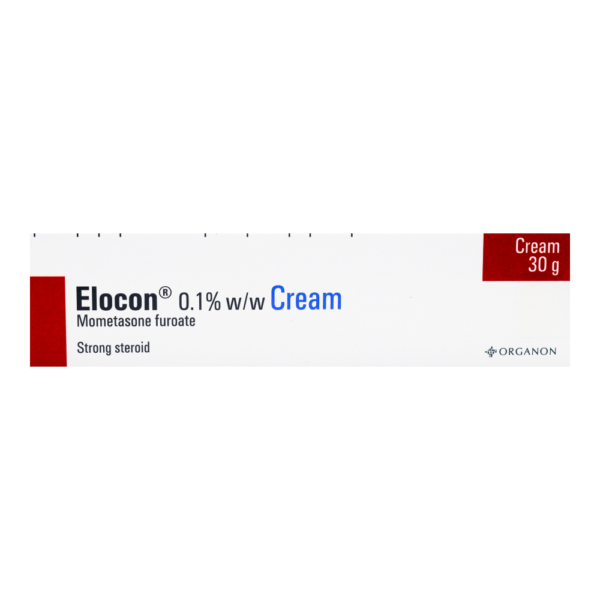
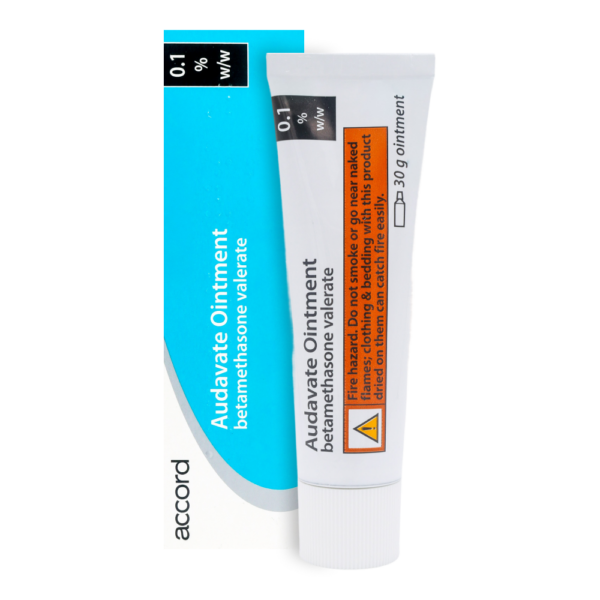
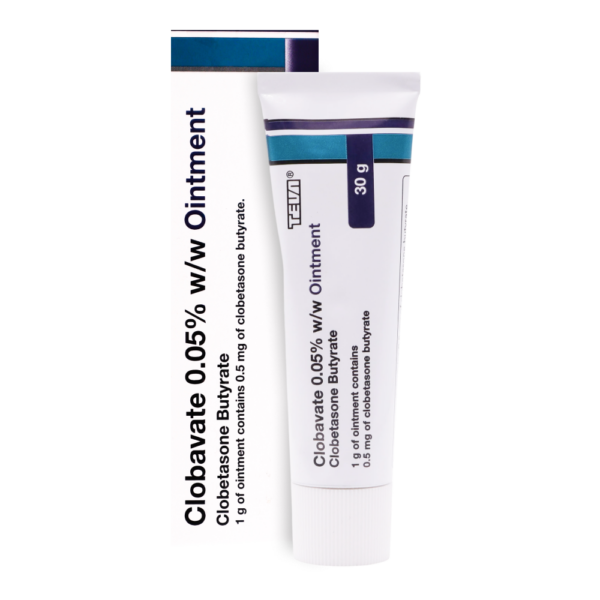
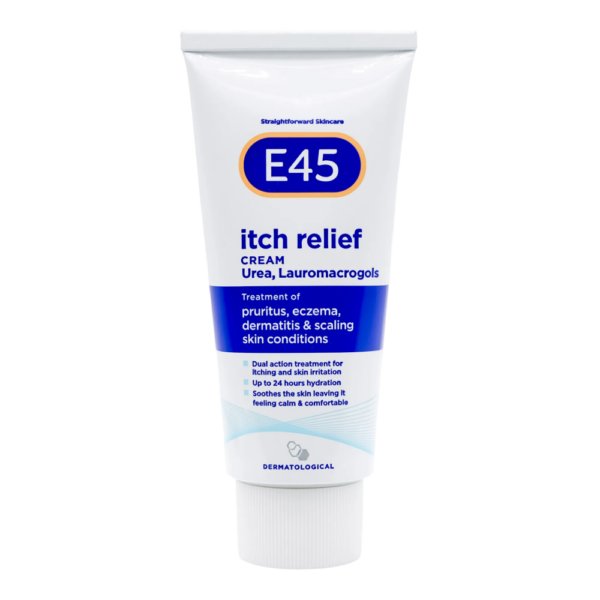
Treatment for dermatitis usually focuses on reducing inflammation and soothing the skin. Topical corticosteroids such as Elocon, Audavate, or Clobavate are often prescribed to help calm irritation. Antibacterial creams like Fucidin H or Fucibet may be used if the skin becomes infected. Regular moisturising with creams like E45 Itch Relief can also support healing and prevent flare-ups.
How do dermatitis creams work?
Most dermatitis creams work by reducing inflammation and calming the skin’s immune response. Steroid-based treatments such as Mometasone or Betamethasone help to relieve redness, swelling, and itching. Combination products that include antibiotics, like Fucidin H, also help treat or prevent infection. These creams are usually applied once or twice daily for a short course as advised by a clinician.
What triggers dermatitis flare-ups?
The common triggers include harsh soaps, detergents, perfumes, extreme temperatures, and stress. Certain foods or allergens can also worsen symptoms in sensitive individuals. Keeping a diary of flare-ups can help identify patterns and avoid known triggers. Regularly moisturising the skin and avoiding irritants is key to long-term management.
How long does dermatitis last?
The duration of dermatitis varies depending on the cause and treatment. Some mild cases may clear within a few days, while chronic forms can last for weeks or even longer. With the right treatment, symptoms can usually be managed effectively. Ongoing care and trigger avoidance are important for preventing recurrence.
Can dermatitis go away on its own?
Mild cases of dermatitis may improve naturally once irritants are removed or the skin barrier recovers. However, more persistent or severe cases often require medical treatment to control inflammation and itching. Using suitable creams and maintaining skin hydration helps speed up recovery. Ignoring ongoing symptoms may cause the condition to worsen over time.
Does dermatitis spread?
Dermatitis itself is not contagious and does not spread from person to person. However, if the skin becomes infected due to scratching, the infection may spread locally. Using medicated creams as prescribed and avoiding scratching can prevent this. Keeping affected areas clean and dry also supports healing.
What can be mistaken for dermatitis?
Other skin conditions such as psoriasis, fungal infections, or allergic reactions can sometimes resemble dermatitis. These conditions may have overlapping symptoms like redness or itching, but they require different treatments. A pharmacist or clinician can help identify the cause through an assessment. If symptoms persist or worsen, medical advice should be sought.
What’s the difference between eczema and dermatitis?
“Dermatitis” is a broad term that includes several types of skin inflammation, while “eczema” usually refers to atopic dermatitis, the most common form. Both conditions share similar symptoms such as dryness, itching, and irritation. However, eczema often has a genetic or allergic component. The two terms are often used interchangeably in everyday language.
Who can use dermatitis creams?
Dermatitis creams are suitable for most adults and children, though some products require a prescription. Stronger steroid creams such as Elocon or Dermovate should be used only under medical supervision. People with allergies, infections, or certain skin conditions should check with a pharmacist first. Always follow the recommended course and application instructions.
Are dermatitis creams safe?
When used as directed, steroid creams are generally safe and effective. Overuse or long-term application can thin the skin or cause irritation, so short treatment courses are recommended. Combination creams like Fucibet or Fucidin H are also safe when used appropriately for infected dermatitis. It’s best to follow the dosage and duration advised by your prescriber.
Can dermatitis be cured?
While there’s no permanent cure for chronic dermatitis, it can usually be controlled with the right treatment and care. Many people experience long periods without symptoms once they identify and manage their triggers. Regular moisturising, gentle skincare, and avoiding irritants help maintain skin health. Medical treatments can quickly settle flare-ups when they occur.
Can you drink alcohol or swim with dermatitis?
Moderate alcohol consumption is unlikely to directly worsen dermatitis, but excessive drinking can dehydrate the skin and trigger flare-ups. Swimming is usually fine, though chlorinated pools can irritate sensitive skin. Applying a protective moisturiser before and after swimming can help reduce irritation. Always rinse and moisturise the skin thoroughly afterward.

Proudly Supported By Industry Experts








Superintendent Pharmacist: Justin Dicks 2038305
© Total Access Health LTD. All rights reserved.
Pharmacy Address: 42 Barnard Road, Norwich, NR5 9JB