
Key Takeaways
- GLP-1 agonists slow gastric emptying, which can delay or reduce the absorption of oral medications including hormonal contraceptives and HRT. Tirzepatide (Mounjaro) is currently the only GLP-1 agonist shown to meaningfully reduce oral contraceptive effectiveness, cutting peak concentration by up to 66%.
- If you take Mounjaro and use the oral contraceptive pill, you need to take action. The NHS recommends switching to a non-oral method such as a patch, implant, or injection, or using barrier contraception for four weeks after starting treatment and after every dose increase.
- Women on HRT alongside a GLP-1 agonist should discuss switching to a transdermal formulation with their doctor. Transdermal oestrogen is unaffected by these medications, and the Mirena coil offers the most reliable endometrial protection. Any unscheduled bleeding should be reported to your GP promptly.
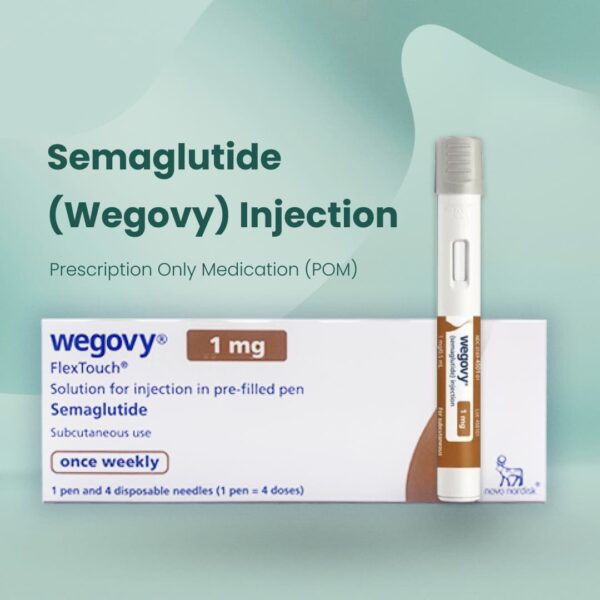
GLP-1 receptor agonists, including semaglutide (Wegovy/Ozempic) and tirzepatide (Mounjaro), are increasingly prescribed across the UK for weight management and type 2 diabetes. As their use grows, so does the importance of understanding how they interact with hormonal therapies, including contraception and hormone replacement therapy (HRT). This blog discusses the current evidence around possible interactions and aims to guide you in understanding if changes to your medications need to be made.
How Do GLP-1 Agonists Work and Why Can They Affect Certain Medications?

GLP-1 Agonists mimic natural gut hormones that regulate insulin secretion, appetite, and satiety. One of their key mechanisms is slowing gastric emptying (the rate at which the stomach releases its contents into the small intestine).
This is clinically significant because it can delay or reduce the absorption of orally taken medications, including hormonal tablets.
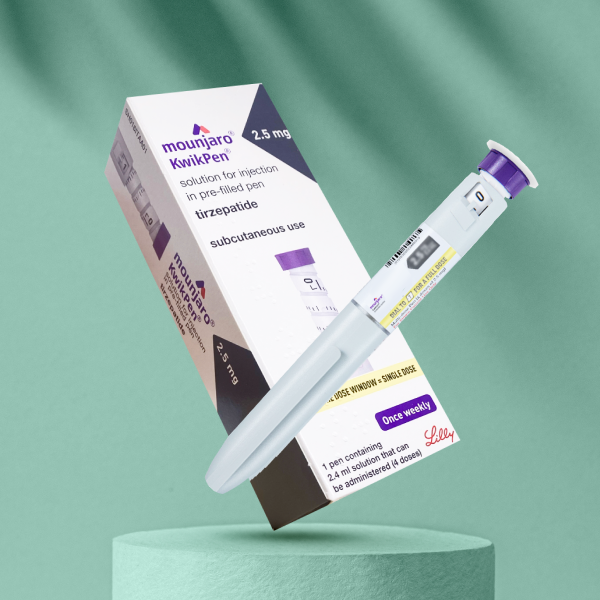
Tirzepatide (Mounjaro) acts on both the GLP-1 and glucose-dependent insulinotropic peptide (GIP) receptors, making it a dual-action agent with potentially more pronounced effects on gastric emptying than other GLP-1 agonist medications alone.
GLP-1 Agonists and Hormonal Contraception

The College of Sexual and Reproductive Healthcare (CoSRH) has published specific guidance on this interaction 2. The key findings are as follows:
- Semaglutide, dulaglutide, liraglutide, lixisenatide, and exenatide: CoSRH advises there is no evidence that these medications reduce the effectiveness of the combined oral contraceptive (COC) pill or the progestogen-only pill (POP).
- Tirzepatide (Mounjaro): This is currently the only GLP-1 agonist shown to reduce the effectiveness of oral contraceptives. Manufacturer data shows tirzepatide can reduce peak oral contraceptive concentration by 55–66% and delay absorption by 2.5–4.5 hours.
If you are taking Tirzepatide (Mounjaro), the NHS Specialist Pharmacy Service (SPS) recommends:
- Switch to a non-oral contraceptive method (e.g., patch, ring, implant, or injection), OR Add a barrier method (such as condoms) for 4 weeks after starting tirzepatide AND for 4 weeks after every dose increase.
- Non-oral contraceptives (i.e. patches, rings, implants, and injections) are unaffected by GLP-1 agonists and require no additional precautions.
- Emergency contraception: The copper IUD remains the most effective option. There is currently no direct evidence on the effect of GLP-1 agonists on emergency contraception.
GLP-1 Agonists and Hormone Replacement Therapy (HRT)
Many women managing menopause symptoms with HRT may also be prescribed GLP-1 agonists for weight management or diabetes. The British Menopause Society (BMS) published specific guidance on this combination in April 2025 3. The central concern is the potential impact on oral progestogen absorption and therefore on endometrial protection.
Key recommendations from the BMS:
- Transdermal (patch or gel) oestrogen is preferred for women on GLP-1 agonists. Unlike oral oestrogen, transdermal oestrogen is unaffected by these medications and carries no additional blood clot risk.
- Oral HRT and progestogen absorption: The NHS SPS notes there is currently no robust data confirming that GLP-1 agonists affect oral progestogen dosing requirements, bleeding patterns, or endometrial risk. However, the theoretical interaction means clinicians are advised to consider switching women on oral combined HRT to a transdermal regimen.
- The Mirena (levonorgestrel) Coil provides the most reliable endometrial protection as it acts locally, bypassing any absorption concerns entirely.
- Unscheduled bleeding: Any new or unexpected vaginal bleeding while on HRT and a GLP-1 agonist should be reported to your GP and investigated promptly.
What Should You Do?

If you are taking, or considering, a GLP-1 agonist alongside hormonal contraception or HRT:
- Tell your GP or prescriber about all medications, including any weight-loss injections obtained privately.
- If you are on Mounjaro (tirzepatide) and using the oral contraceptive pill, discuss switching to a non-oral method or using additional barrier contraception.
- If you are on oral HRT, ask your doctor whether a transdermal formulation would be more appropriate.
- Do not stop any prescribed medication without first speaking to your healthcare provider.
- If you are experiencing persistent nausea, vomiting, or diarrhoea on a GLP-1 agonist, oral medications (including the pill) may not be absorbed reliably on affected days. You should seek urgent advice from your GP or healthcare provider.
This blog post is intended for informational purposes only and does not replace individual clinical advice. Always consult your GP, pharmacist, or specialist before making any changes to your medication.
References
- College of Sexual and Reproductive Healthcare (CoSRH/FSRH). Glucagon-like peptide-1 (GLP-1) agonists and oral contraception. February 2025. Available at: https://www.cosrh.org/Public/Public/Documents/FSRH-statement-Glucagon-like-peptide-1-agonists-and-oral-contraception-Feb-2025.aspx
- NHS Specialist Pharmacy Service (SPS). Considerations and interactions with GLP-1 receptor agonists. Published 24 October 2025, last updated 12 November 2025. Available at: https://www.sps.nhs.uk/articles/considerations-and-interactions-with-glp-1-receptor-agonists/
- British Menopause Society (BMS). Use of incretin-based therapies in women using hormone replacement therapy (HRT) – Tool for Clinicians. April 2025. Available at: https://thebms.org.uk/wp-content/uploads/2025/05/23-BMS-TfC-Use-of-incretin-based-therapies-APRIL2025-E.pdf
- Medicines and Healthcare products Regulatory Agency (MHRA). GLP-1 medicines for weight loss and diabetes: what you need to know. August 2025. Available at: https://www.gov.uk/government/publications/glp-1-medicines-for-weight-loss-and-diabetes-what-you-need-to-know
- National Institute for Health and Care Excellence (NICE). NICE Clinical Knowledge Summaries – Drug interactions (GLP-1 receptor agonists). Available at: https://cks.nice.org.uk