

Rated 4.7


Types of Menopause Treatments
Explore menopause treatment plans that guide you to long‑term relief, with options designed to fit your lifestyle and goals.
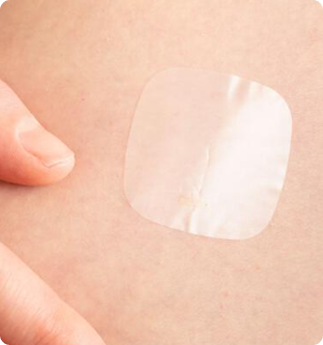
Hormonal HRT
HRT works by replacing the hormones your body produces less of during Menopause, helping to relieve some of the most common and disruptive symptoms including hot flushes, night sweats, mood changes and disrupted sleep. For many women, it can make a real difference to how they feel day to day, helping them to feel more like themselves again.
There are different types of HRT available, and the right one for you will depend on your symptoms, your health history and your personal preferences. Our specialist clinicians will take the time to understand your individual situation before recommending a treatment plan, and all treatments are prescribed following national guidelines set by NICE, the British Menopause Society and the FSRH.
Where appropriate, testosterone can also be included as part of your personalised treatment plan to help with low energy, mood and libido. All treatments start at the lowest effective dose and are reviewed regularly to make sure they continue to work for you. If you are ready to take the next step, we are here to help.
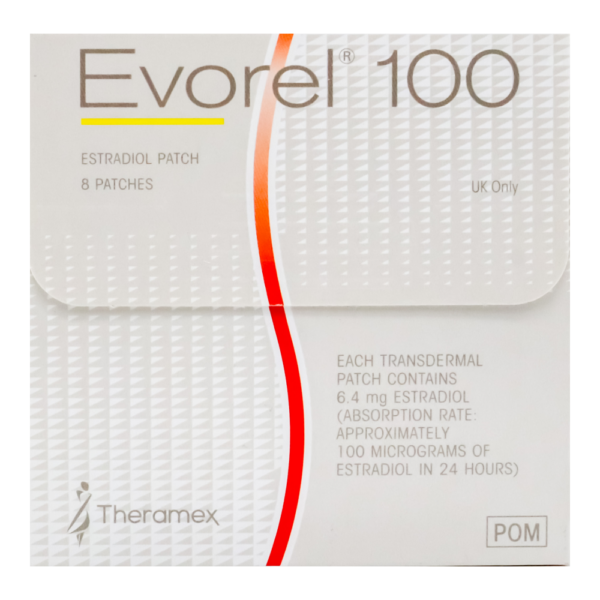
Evorel Patches
Oestrogen-only HRT patches designed to ease common menopause symptoms with consistent hormone release through the skin.
Starting from
£14.95
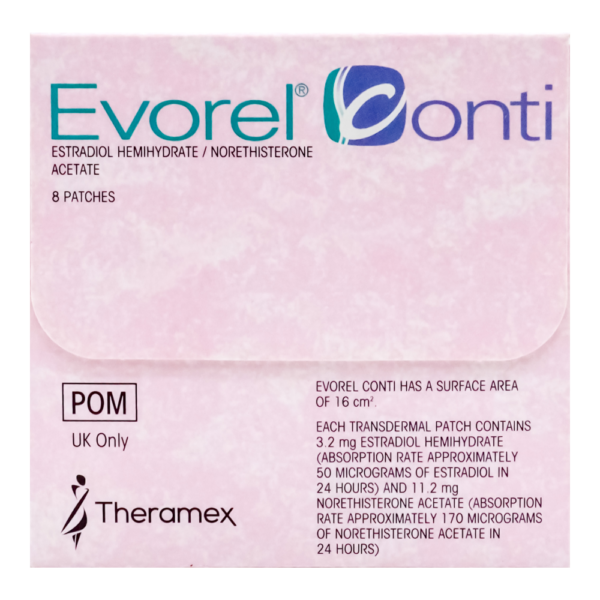
Evorel Conti Patches
Continuous combined HRT patches releasing oestrogen and progestogen to relieve menopausal symptoms and support ongoing hormonal balance.
Starting from
£24.95
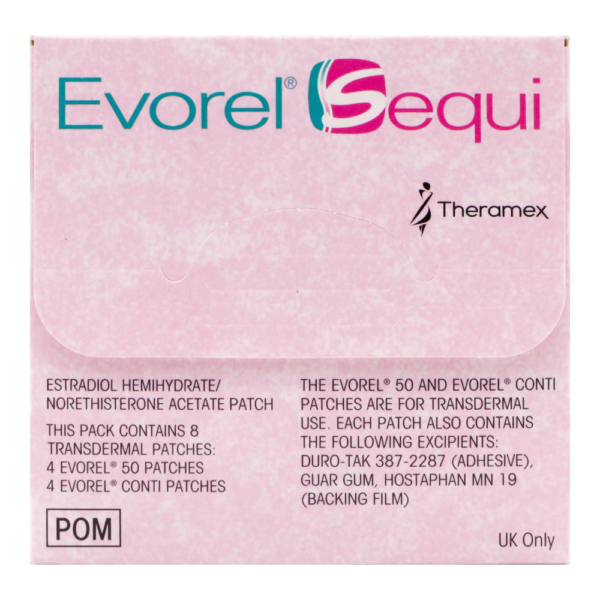
Evorel Sequi Patches
Sequential HRT patches providing alternating oestrogen and combined phases to mimic natural cycles and relieve menopause symptoms.
Starting from
£25.95
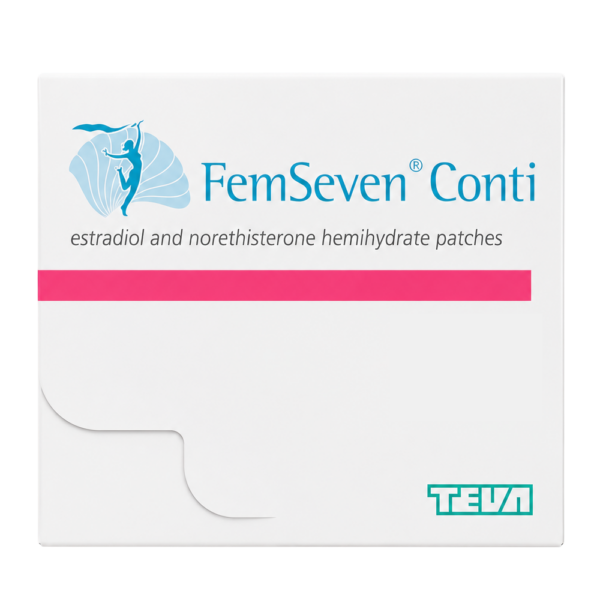
FemSeven Conti Patches
Continuous combined HRT patches delivering both hormones together, offering stable symptom relief through convenient weekly application.
Starting from
£34.95
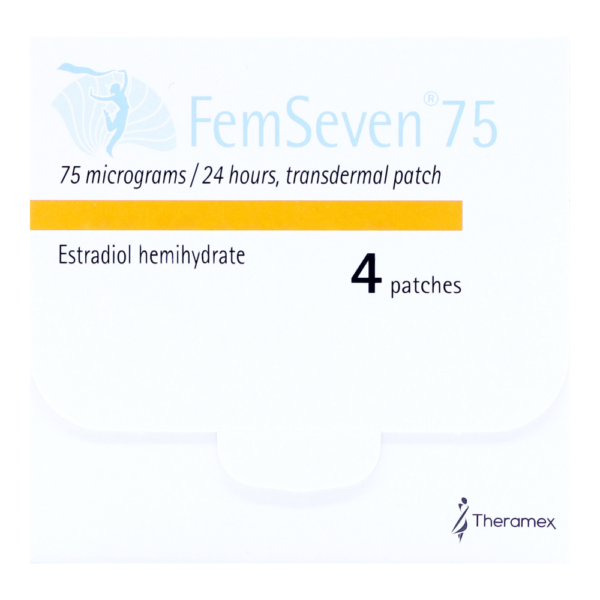
FemSeven Patches (50mcg, 75mcg, 100mcg)
Oestrogen-only HRT patches providing controlled hormone release to reduce menopause symptoms with easy once-weekly use.
Starting from
£20.95
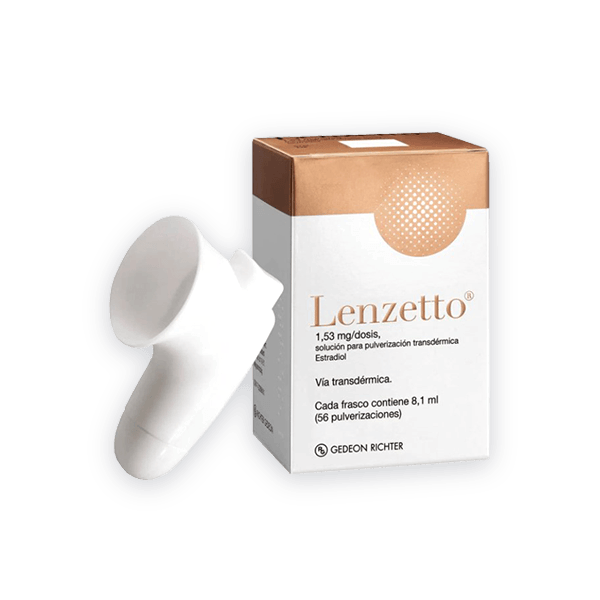
Lenzetto Spray (1.53mg)
Transdermal oestrogen spray absorbed through the skin, offering flexible dosing to ease menopause symptoms effectively.
Starting from
£24.95
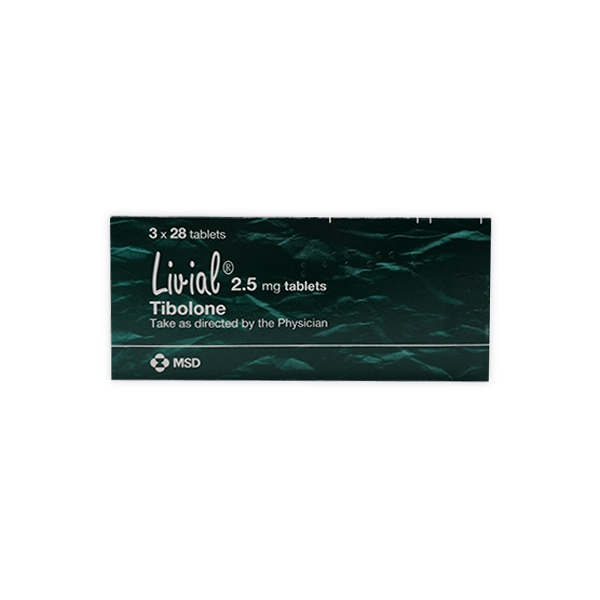
Livial Tablets
Tibolone-based HRT alternative helping manage menopause symptoms while supporting bone health in a single daily dose.
Starting from
£19.95
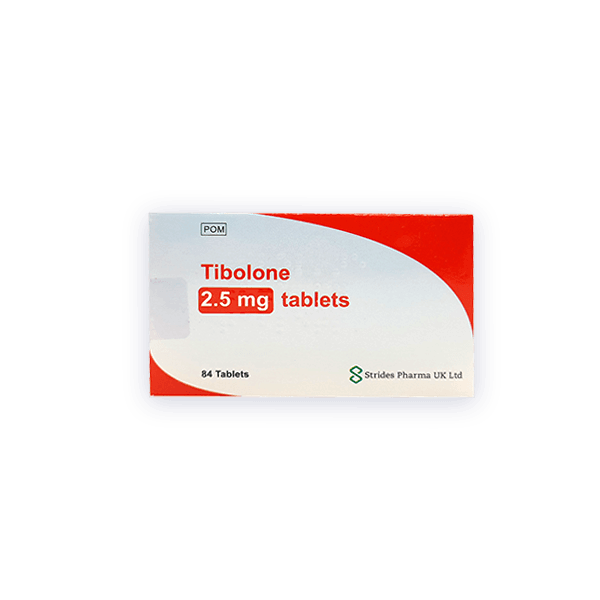
Tibolone Tablets
Synthetic hormone tablets offering combined oestrogenic, progestogenic, and androgenic effects to ease menopause symptoms daily.
Starting from
£19.95
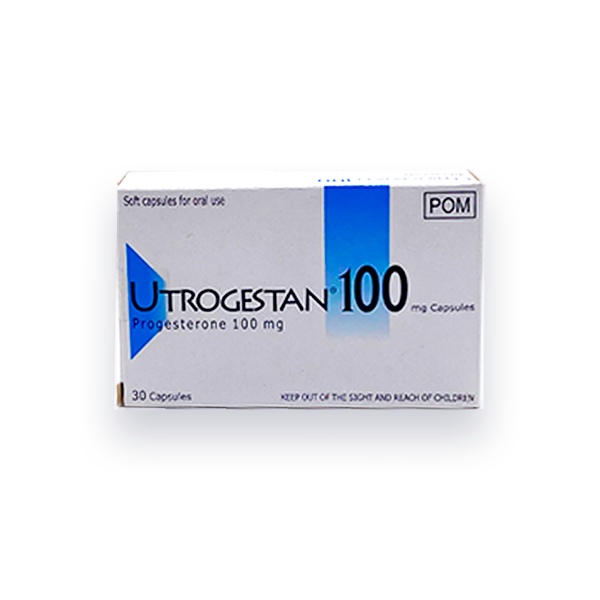
Utrogestan Capsules
Body-identical progesterone used alongside oestrogen HRT to protect the womb lining and support balanced hormone therapy.
Starting from
£24.95
Non-hormonal treatment
Non-hormonal treatments can be a really good option for women who are unable to take HRT, or who simply prefer to manage their Menopause symptoms without hormones. There are several effective options available, and our specialist clinicians will take the time to understand your symptoms, your health history and your preferences before recommending the right path forward for you.
Clonidine is a non-hormonal medicine that can help to reduce the frequency and intensity of hot flushes and night sweats, and may also help to improve sleep quality and comfort. It works by acting on nerve signals that affect blood vessels and temperature control, and is a well established option for women who need an alternative to HRT.
Newer non-hormonal options are also available, including certain antidepressants that can help to manage hot flushes and mood changes, and fezolinetant, a newer treatment that targets the nerve pathways involved in hot flushes. Whatever your situation, you do not have to navigate your Menopause symptoms without support. Our clinicians are here to help you find something that works for you.


Intimate Menopause Care
Changes to vaginal and intimate health are a really common part of Menopause, but they are not something you simply have to put up with. Symptoms like vaginal dryness, irritation and discomfort during sex can have a significant impact on your everyday comfort, your quality of life and your relationships, and there are effective treatments available to help.
Intimate Menopause care focuses on localised treatments that work directly where you need them most, with very little absorption into the bloodstream. This makes them a suitable option for many women, including those who are unable to take or prefer not to use systemic HRT. Localised treatments can also be used alongside systemic HRT if needed, giving you and your clinician flexibility in building the right plan for you.
Our specialist clinicians are here to help you find the right solution, kindly, discreetly and on your terms. You do not have to simply put up with intimate discomfort during Menopause, and reaching out for support is always the right thing to do.
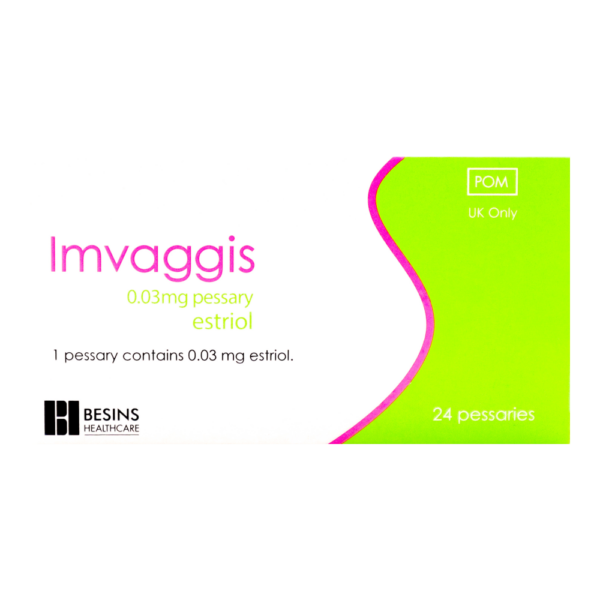
Imvaggis Estriol Pessary
Low-dose vaginal estriol treatment targeting dryness and discomfort by restoring moisture and supporting local tissue health.
Starting from
£24.95
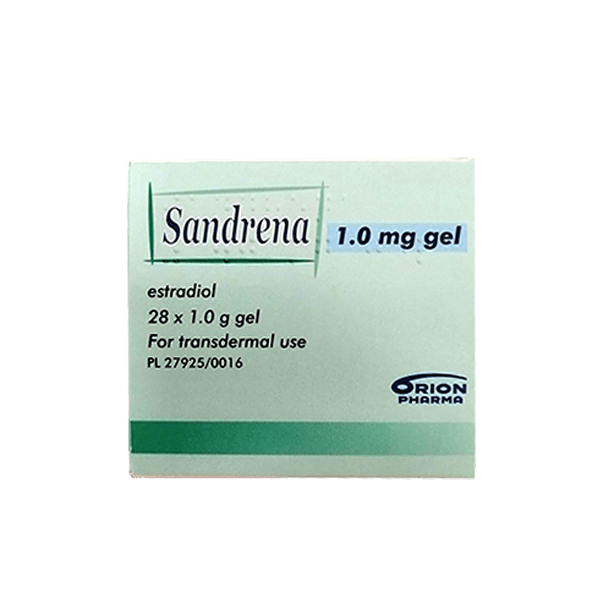
Sandrena Gel
Transdermal oestrogen gel applied to the skin for adjustable, steady relief from common menopausal symptoms.
Starting from
£29.95

Lifestyle
Alongside medical treatment, lifestyle changes can make a real difference to how you feel during Menopause. Regular exercise, a balanced diet, reducing alcohol and caffeine and managing stress can all help to reduce the severity of symptoms such as hot flushes, disrupted sleep and mood changes. Our free Ask-a-Dietitian service is here to offer personalised nutrition and lifestyle guidance whenever you need it, and our approach always starts with food first.
Certain nutrients become particularly important during Menopause, and while a varied, balanced diet will always be the most sustainable foundation, targeted supplementation can genuinely help in some areas. Magnesium, Vitamin D3 and K2, CoQ10 and Omega-3 are all worth considering, and our dietitian can help you understand what might be right for you personally.
Stopping smoking and managing your weight can also have a significant impact on your Menopause symptoms and long-term health. e-surgery offers dedicated support services for both, all online and on your terms.
Get to know us


Proudly Supported By Industry Experts








Superintendent Pharmacist: Justin Dicks 2038305
© Total Access Health LTD. All rights reserved.
Pharmacy Address: 42 Barnard Road, Norwich, NR5 9JB