

Rated 4.8


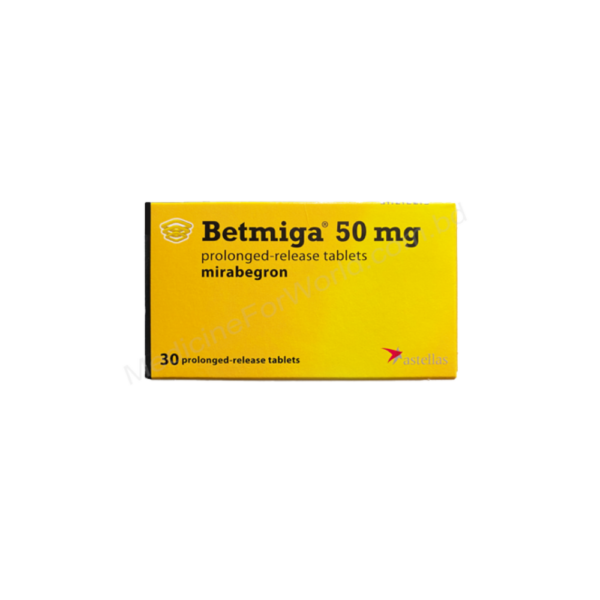
Mirabegron Tablets
Prescription Only Medication (POM)
Price Checker
Please select the product variation first.

About the product
Mirabegron Tablets are used to treat symptoms of overactive bladder, including urinary urgency, frequent urination, and urge incontinence. They work by relaxing the bladder muscle, allowing it to store more urine and reducing the sudden need to urinate.
Frequently Asked Questions
Have a question? We're here to help
What is the best time of day to take mirabegron?
The best time of day to take mirabegron is whichever time fits your daily routine, as long as you take it at approximately the same time each day. Mirabegron tablets can be taken with or without food, making them easy to fit around meals.
Swallow the tablet whole with water and do not crush or chew it. Consistent daily use helps keep your treatment on track. Always follow your prescriber’s instructions about how to take mirabegron for urinary incontinence.
How long does mirabegron take to work?
Mirabegron starts relaxing the bladder muscles within around three to four hours of taking a dose. However, it can take four to eight weeks to notice a meaningful improvement in urinary incontinence, urgency or frequent urination.
It is important to take mirabegron consistently as prescribed rather than expecting immediate results. If your symptoms have not improved after several weeks, or they become worse, speak to your doctor or pharmacist to discuss whether your treatment needs reviewing.
How does mirabegron work?
Mirabegron is a medicine used to treat symptoms of an overactive bladder, including urinary urgency, frequent urination and urge incontinence. It works by stimulating beta-3 adrenergic receptors in the bladder, helping the bladder muscle relax while the bladder fills with urine.
This allows the bladder to store more urine and can reduce sudden urges to urinate and episodes of leakage. Mirabegron helps manage these symptoms but does not cure the underlying cause of an overactive bladder.
What are the side effects of mirabegron?
Mirabegron is generally well tolerated, although some people experience side effects. The common side effects include headaches, dizziness, nausea, constipation, diarrhoea, urinary tract infections and an increased heart rate.
Mirabegron can also raise blood pressure, so monitoring may be recommended during treatment. Rarely, more serious problems such as difficulty emptying the bladder or a severe allergic reaction can occur.
You must seek urgent medical advice if you cannot pass urine, and call 999 for chest pain or signs of a severe allergic reaction.
Who should not take mirabegron?
Mirabegron may not be suitable for everyone. You should not take it if you have an allergy to mirabegron or any of its ingredients, or if you have severely high, uncontrolled blood pressure. Tell your doctor or pharmacist if you have kidney or liver problems, difficulty emptying your bladder, a bladder obstruction or a heart rhythm condition.
You should also discuss pregnancy, breastfeeding and any other medicines you take before starting treatment, as these factors may affect whether mirabegron is appropriate for you.
Is mirabegron better than oxybutynin or solifenacin?
Mirabegron, oxybutynin and solifenacin can all help manage overactive bladder symptoms, including urgency, frequent urination and urinary incontinence. However, the best option depends on your symptoms, medical history and tolerance of side effects. Mirabegron relaxes the bladder through beta-3 receptors, whereas oxybutynin and solifenacin work by blocking muscarinic receptors.
What is the maximum dose of mirabegron?
For adults being treated for an overactive bladder, the usual recommended dose of mirabegron is 50 mg once daily, which is also the standard maximum daily dose for this indication. Some people may be prescribed 25 mg daily, particularly if they have certain kidney or liver problems.
Do not increase your dose or take extra tablets if your symptoms persist, as this may increase the risk of side effects. If mirabegron is not helping your urinary incontinence, speak to your prescriber about reviewing your treatment.
Same day dispatch:
0 minutes


Superintendent Pharmacist: Justin Dicks 2038305
© Total Access Health LTD. All rights reserved.
Pharmacy Address: 42 Barnard Road, Norwich, NR5 9JB