

Rated 4.7


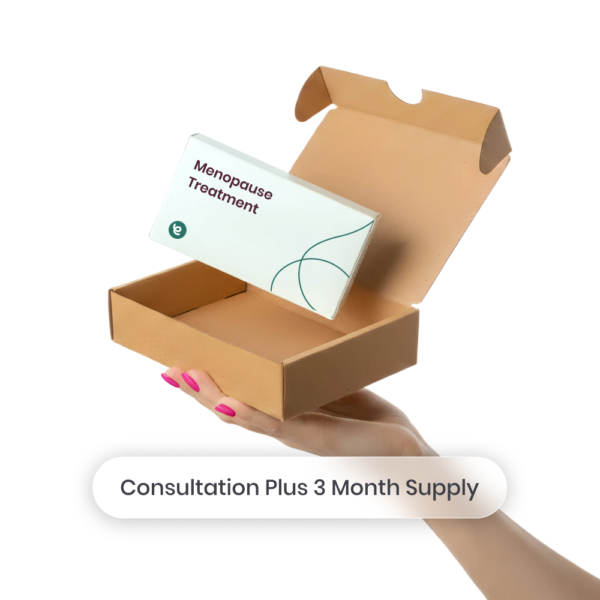
Menopause (HRT) Initiation Service (Consultation + 3 Months Supply)
Menopause (HRT) Initiation Service (Consultation + 3 Months Supply)
Prescription Only Medication (POM)
Price Checker
Please select the product variation first.
About the product
If you haven’t been diagnosed or prescribed for Menopause before, our initiation service is the place to start. All you need to do is complete the consultation online and one of our specialist clinicians will assess your symptoms, discuss your options, and create a treatment plan tailored to you. Our Initiation treatment service starts at £119.95 which includes a consultation and 3 months treatment
Frequently Asked Questions
Have a question? We're here to help
What is the Menopause Initiation Service?
The Menopause Initiation Service is e-surgery’s new clinician-led menopause consultation and treatment service, designed to help you start the most suitable HRT treatment safely and confidently.
The total cost is £119.95, which includes:
- Your online consultation
- A personalised treatment recommendation from a clinician
- A three-month supply of treatment
You won’t choose a treatment before the consultation. Instead, a clinician will review your symptoms, medical history, and preferences to recommend the most suitable option for you.
Can you choose a specific treatment?
No – treatments aren’t selected directly before the consultation. Instead, you’ll be asked about your preferences during the consultation process, and a clinician will recommend the most appropriate treatment based on your needs and suitability.
Can I change brand / type of treatment after initiation?
Yes. It’s very common to adjust treatment after starting HRT. Different brands, doses and delivery methods (such as patches, tablets or gels) can suit people differently. At your 3-month review, your clinician will check how you’re getting on, whether your symptoms have improved and whether you’re experiencing any side-effects.
If the current brand isn’t working well for you, it can usually be changed to something more suitable.
How long can I be on treatment for?
There’s no fixed time limit for HRT. You can continue treatment for as long as the benefits outweigh any risks. Many people stay on HRT for several years, and some continue long-term if it effectively manages symptoms and improves quality of life.
What happens after my initial 3 months?
After three months, you’ll have a review to discuss how the treatment is working for you. This is the point where symptoms, improvements, and any side-effects are assessed. Your clinician may adjust the dose, change the type of HRT or switch brand if needed. These ongoing check-ins help ensure your HRT remains beneficial and safe and that any new concerns or changes to your health are properly managed. You can be reviewed earlier if issues arise before the assessment.
What risk does my treatment carry? Am I more at risk of developing certain cancers?
HRT is considered safe and effective for most women, especially if started under the age of 60 or within 10 years of menopause. Like any treatment, it does carry some risks, but these are usually small and depend on the type of HRT you use, your age, your general health, and how long you take it for.
Some types of HRT can slightly increase the risk of certain cancers. Combined HRT (oestrogen with progestogen) may slightly increase the risk of breast cancer if used for several years, although the risk falls after stopping treatment. Taking oestrogen on its own can increase the risk of cancer of the womb lining if you still have a uterus, which is why progesterone is added to protect the womb. There may also be a very small increase in ovarian cancer risk, although this is rare.
There is also a small increased risk of blood clots and stroke with tablet forms of HRT, particularly in older women or those with other risk factors such as smoking or obesity. HRT given through the skin, such as patches or gel, carries a much lower risk of blood clots and is often recommended for women with higher risk factors.
For many women, the benefits of HRT — including relief from symptoms, improved sleep and mood, and protection for bone health — outweigh the risks. Your clinician review your medical history and choose the safest and most suitable option for you.
Can I take supplements/herbal remedies alongside my treatment? If so, what is recommended?
Some women choose to take supplements or herbal remedies alongside HRT, but these should be used with caution. Many are not well regulated, and evidence for how well they work is limited. “Natural” does not always mean safe, and some supplements can interact with medicines or may not be suitable for women with hormone-sensitive conditions.
You should always discuss any supplements with your clinician before starting them, especially if you take other medications or have a history of breast cancer, blood clots, or liver disease.
Lifestyle measures such as regular exercise, good sleep, a balanced diet, and adequate calcium and vitamin D are recommended for overall menopause and bone health. Evidence-based HRT remains the most effective treatment for menopausal symptoms for most women.
How soon will my symptoms improve after starting my treatment?
Many people begin to notice improvements in symptoms – such as hot flushes, night sweats or mood changes – within a few weeks of starting HRT. For others, it may take up to 3 months to feel the full benefits. Your body needs time to adjust, and it’s normal to experience mild, settling side-effects at first. Because of this adjustment period, most clinicians recommend staying on the initial treatment for at least 3 months unless the side-effects are severe.
If your symptoms haven’t improved by your first review, your treatment can be reassessed and tailored to suit you better.
If I still have symptoms, could I try something else or add something?
Yes – if symptoms are still troubling you by your 3-month review, or sooner if needed, your treatment can be adjusted. This might mean changing the type of HRT, altering the dose, or trying a different route such as patches or gel.
What do I do if I have concerns or issues before my first review 3 months?
You don’t need to wait until your three-month review if you’re worried. If you experience troublesome side-effects, unexpected symptoms or anything that feels concerning, contact your clinician or pharmacy team for advice. They can help determine whether what you’re experiencing is normal in the early stages or whether your treatment needs adjusting.
Same day dispatch:
0 minutes


Superintendent Pharmacist: Justin Dicks 2038305
© Total Access Health LTD. All rights reserved.
Pharmacy Address: 42 Barnard Road, Norwich, NR5 9JB