

Rated 4.6


Start Your Mini Pill Consultation
Complete a quick and easy questionnaire and one of our prescribers will make sure this treatment is right for you.
 4.6/5 rating on Trustpilot
 Trusted UK Registered Pharmacy
 Takes Under 2 Minutes
 Secure and Confidential

Treatments
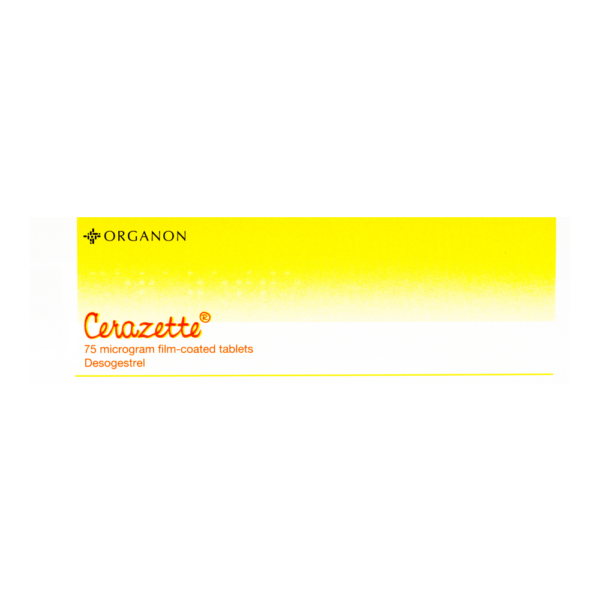
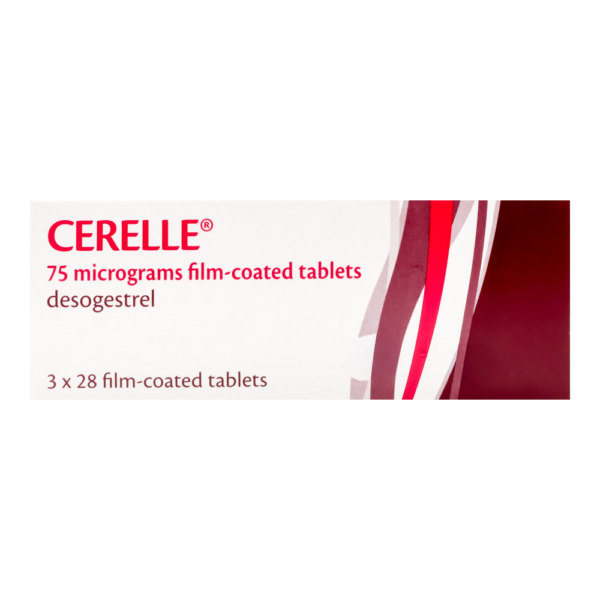


Related Medication

Frequently Asked Questions
Have a question? We're here to help
What is the mini pill?
The mini pill, also called the progestogen-only pill, is a daily oral contraceptive used to prevent pregnancy. Unlike the combined pill, it contains only one hormone, progestogen. It works mainly by thickening cervical mucus and sometimes stopping ovulation.
How does the mini pill work?
The mini pill prevents pregnancy by thickening the mucus in the cervix, making it harder for sperm to reach the egg. In some women, it also stops the ovaries from releasing eggs. If taken correctly every day, it is over 99% effective.
What is a mini pill used for?
The mini pill is primarily used as a form of contraception to prevent unplanned pregnancy. It can be a suitable option for women who cannot take oestrogen, such as those who are breastfeeding or at risk of blood clots. Some people also choose it because it can reduce period pain and bleeding.
What are the advantages of taking the mini pill?
The mini pill is a good choice for women who cannot take oestrogen, making it safer for smokers over 35 or those with certain health conditions. It can also reduce menstrual cramps and lighten periods for some women. Unlike the combined pill, it can be taken while breastfeeding.
What are the downsides of the mini pill?
The mini pill must be taken at the same time every day to remain effective, with only a small window if a dose is late. Additionally, some women experience irregular bleeding or spotting, especially in the first few months. It does not protect against sexually transmitted infections (STIs).
How is the mini pill different from the regular pill?
The regular pill, known as the combined oral contraceptive pill, contains both oestrogen and progestogen. The mini pill only contains progestogen, which makes it suitable for women who cannot take oestrogen. The way they are taken, and their side effect profiles can also differ.
Does the mini pill cause weight gain?
There is no strong evidence that the mini pill directly causes weight gain. Some women may notice changes in appetite or fluid retention, which can lead to slight weight changes. Lifestyle factors such as diet and activity usually play a bigger role.
Do you ovulate on the mini pill?
For many women, the mini pill stops ovulation altogether. However, this depends on the type of progestogen and individual response to the pill. Even when ovulation occurs, the pill is still effective due to its other mechanisms.
What are the side effects of the mini pill?
The most common side effects include irregular bleeding, headaches, breast tenderness, or mood changes. These usually improve after a few months as the body adjusts. Serious side effects are rare, but it’s important to seek medical advice if you have any concerns.
Who can take the mini pill?
Most women can take the mini pill, including those who cannot use oestrogen-based contraception. It is often recommended for breastfeeding mothers, smokers over 35, and women with certain health conditions. However, it may not be suitable for those with liver disease or unexplained vaginal bleeding.
How effective is the mini pill?
When taken correctly at the same time every day, the mini pill is more than 99% effective. This means fewer than 1 in 100 women will become pregnant in a year of use. If doses are missed or taken late, its effectiveness is reduced.
What happens if you miss a mini pill?
If you miss a pill or take it later than the recommended time, the level of protection may decrease. The exact rules depend on the type of mini pill, but in many cases, you should take the missed pill as soon as possible and use backup contraception if needed. You should always check the guidance that comes with your pill.

Proudly Supported By Industry Experts








Superintendent Pharmacist: Justin Dicks 2038305
© Total Access Health LTD. All rights reserved.
Pharmacy Address: 42 Barnard Road, Norwich, NR5 9JB