

Rated 4.7


Start Your Chlamydia Consultation
Complete a quick and easy questionnaire and one of our prescribers will make sure this treatment is right for you.
 4.7/5 rating on Trustpilot
 Trusted UK Registered Pharmacy
 Takes Under 2 Minutes
 Secure and Confidential

Treatments

Related Medication




Frequently Asked Questions
Have a question? We're here to help
What is chlamydia?
Chlamydia is a common sexually transmitted infection (STI) caused by bacteria called Chlamydia trachomatis. It is spread through unprotected vaginal, anal, or oral sex. Many people with chlamydia do not notice symptoms, which is why regular testing is important.
What are the symptoms of chlamydia?
The common symptoms can include unusual discharge, pain when urinating, abdominal pain, or pain and swelling in the testicles. However, most people do not develop any obvious symptoms. This is why chlamydia can easily go unnoticed and untreated if you don’t test regularly.
What causes chlamydia?
Chlamydia is caused by bacteria that infect the genital tract, rectum, or throat. It is transmitted during unprotected sexual contact, including vaginal, anal, and oral sex. Sharing sex toys without cleaning them properly can also spread the infection.
How does chlamydia develop?
Once the bacteria enter the body, they can infect the lining of the genital tract or other areas of contact. Over time, untreated infection may cause inflammation and complications such as pelvic inflammatory disease (PID). This is why early detection and treatment are important.
Is it common to get chlamydia?
Yes, chlamydia is one of the most common STIs worldwide, especially among young adults. Many people don’t realise they have it because of the lack of symptoms. This makes it easy to spread without knowing.
How common is chlamydia in the UK?
In the UK, chlamydia is the most frequently reported STI. It is particularly common among people under 25, which is why routine screening is recommended for this age group. Public health services encourage regular testing to reduce the spread.
What’s the treatment for chlamydia?
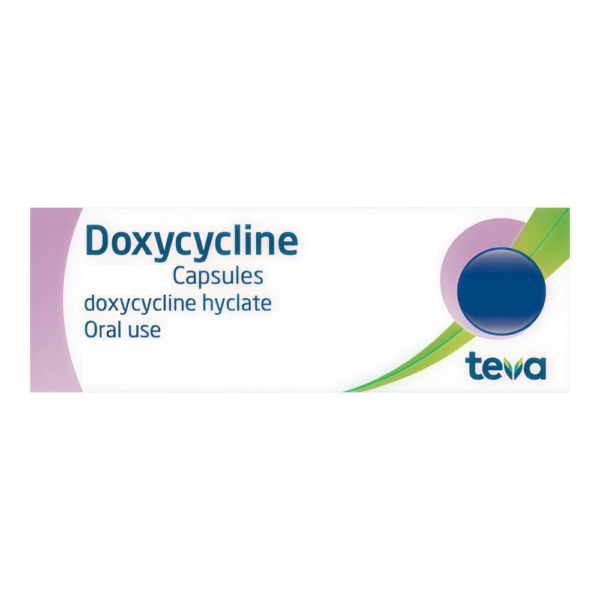
Chlamydia is treated with antibiotics that kill the bacteria causing the infection. The most common options include doxycycline or azithromycin, which are highly effective when taken correctly. Completing the full course and avoiding sex until cleared is essential.
How do you treat chlamydia while pregnant?
If you are pregnant, doctors may prescribe antibiotics that are safe for both you and your baby. Doxycycline is not usually recommended in pregnancy, so alternatives such as azithromycin may be used instead. Always follow medical advice to ensure the safest treatment.
Is chlamydia easy to cure?
Yes, chlamydia is generally straightforward to cure with the right antibiotics. Most people clear the infection after completing a short course of treatment. However, re-infection is common, so partners should also be treated, and regular testing is important.
How long can you have chlamydia before it causes damage?
Chlamydia can remain in the body for months or even years if untreated. Over time, it can lead to complications like pelvic inflammatory disease, infertility, or long-term pain. Early diagnosis and treatment can prevent these risks.
How long can chlamydia be dormant?
Chlamydia can stay in the body without causing noticeable symptoms for a long period, sometimes years. This is known as being asymptomatic or dormant. Even without symptoms, the infection can still cause damage and be passed on to others.
How to test for chlamydia at home?
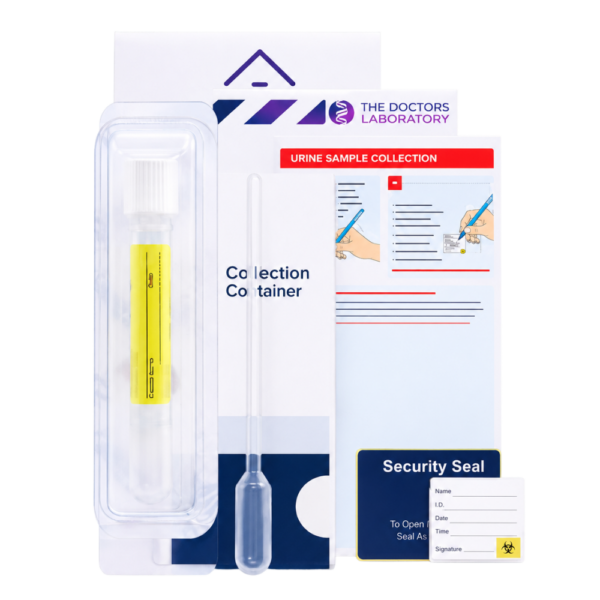
You can order home testing kits that usually involve providing a urine sample or a swab. These are sent to a lab for analysis, and results are often available within a few days. Home testing offers a private and convenient way to check for chlamydia.
What happens if chlamydia is left untreated?
If left untreated, chlamydia can lead to serious health problems. In women, it may cause pelvic inflammatory disease, infertility, or complications during pregnancy. In men, it can cause testicular pain, swelling, and sometimes infertility.
Can chlamydia go away on its own?
No, chlamydia does not usually clear up without treatment. The infection may remain in the body and continue to cause damage over time. Antibiotic treatment is needed to fully clear the infection.
Can you get chlamydia more than once?
Yes, it is possible to catch chlamydia multiple times, even after successful treatment. Being cured does not provide immunity against future infections. Practising safe sex and regular testing helps reduce the risk of reinfection.



Proudly Supported By Industry Experts








Superintendent Pharmacist: Justin Dicks 2038305
© Total Access Health LTD. All rights reserved.
Pharmacy Address: 42 Barnard Road, Norwich, NR5 9JB