

Rated 4.6


Start Your Allergy Tablets Consultation
Complete a quick and easy questionnaire and one of our prescribers will make sure this treatment is right for you.

4.6/5 Trustpilot Rating

Trusted UK Registered Pharmacy

Takes Under 2 Minutes

Secure and Confidential

Justin Dicks
Superintendent Pharmacist
GPhC Number 2038305
Treatments


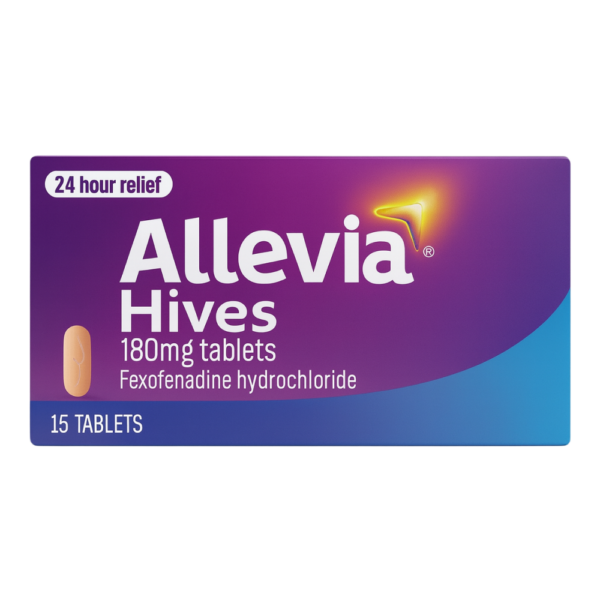
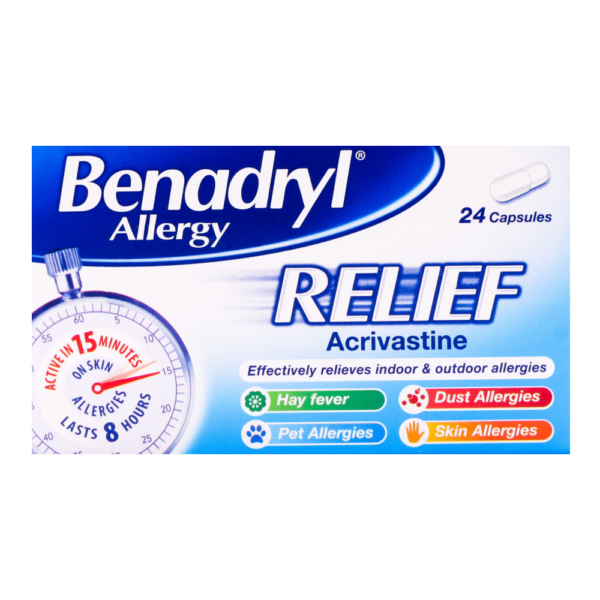
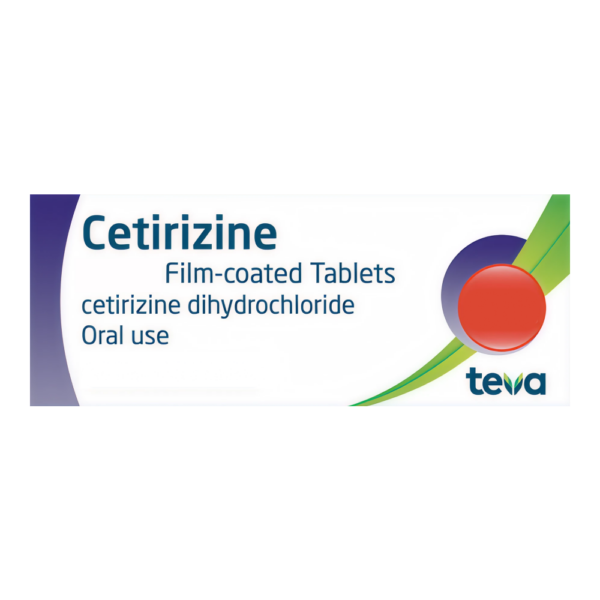
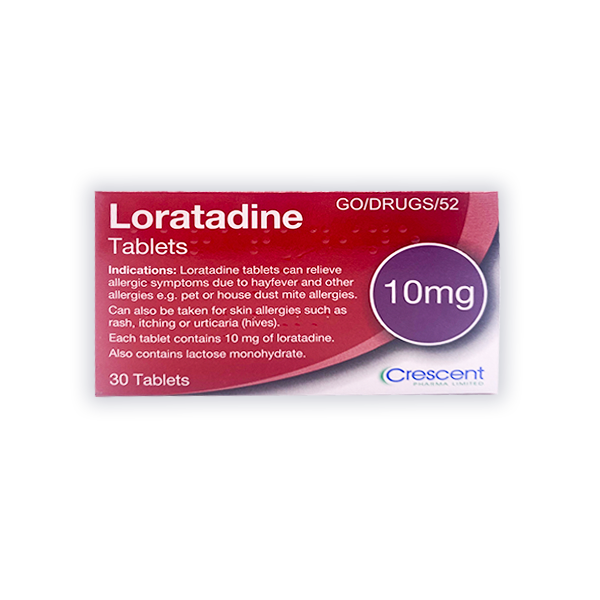
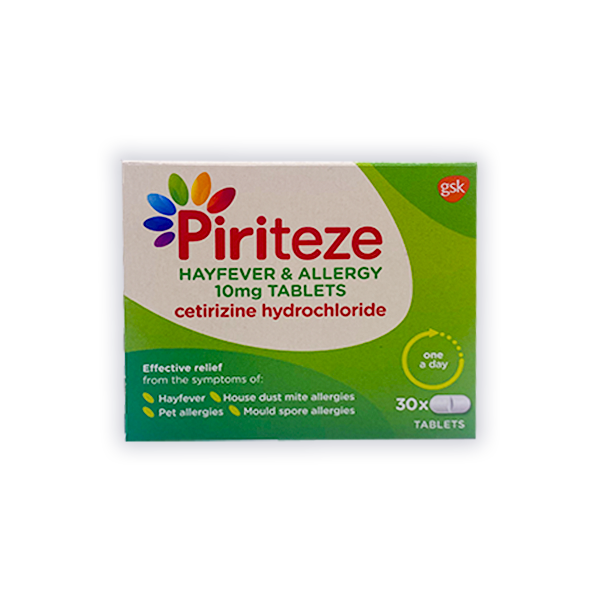
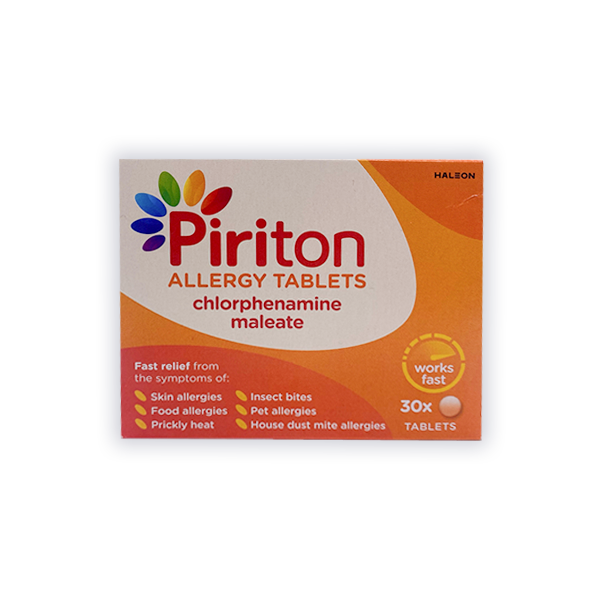
Related Medication
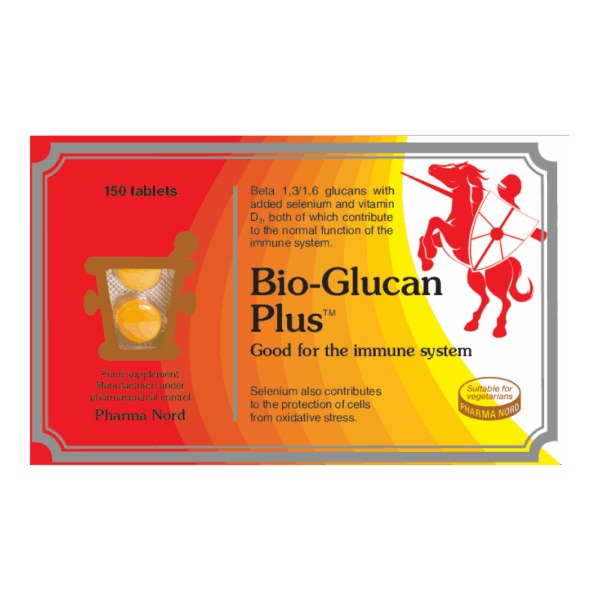
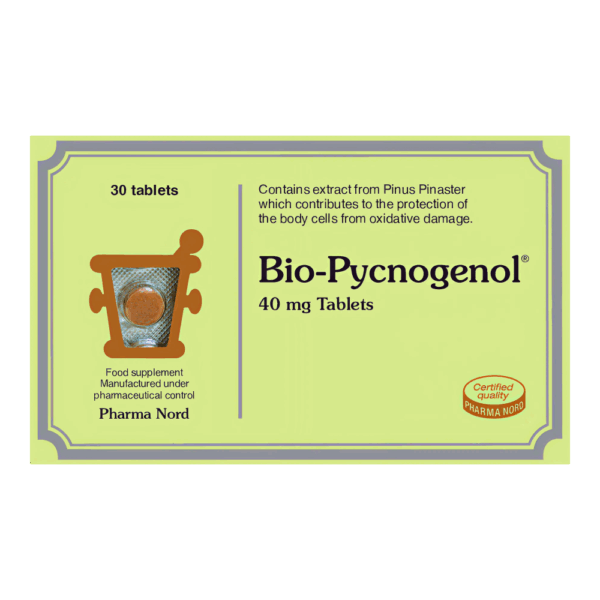
Frequently Asked Questions
Have a question? We're here to help
What are allergies?
Allergies occur when your immune system reacts to normally harmless substances such as pollen, dust, or pet dander. This overreaction releases chemicals like histamine, which cause symptoms such as sneezing, itching, or watery eyes. Allergies can range from mild seasonal hay fever to more persistent year-round sensitivities.
What causes allergies?
Allergies are caused by an overactive immune response to allergens like pollen, mould, animal fur, or certain foods. Your body mistakenly identifies these substances as harmful and releases histamine to fight them off. This leads to typical allergy symptoms such as sneezing, itching, or congestion.
What are the symptoms of allergies?
The common allergy symptoms include sneezing, nasal congestion, itchy or watery eyes, and a runny nose. Some people may also experience itchy skin, rashes, or swelling. The severity of symptoms often depends on the type of allergen and how sensitive your body is to it.
What is the treatment for allergies?
The most common treatment for allergies is antihistamine medication, which helps block the effects of histamine and relieve symptoms. Allergy tablets like Fexofenadine and Telfast are popular non-drowsy options. In some cases, doctors may also recommend nasal sprays, or eye drops for targeted relief.
How do allergy tablets work?
Allergy tablets contain antihistamines that block histamine, a chemical your body produces during an allergic reaction. By stopping histamine from attaching to receptors in your body, these medicines reduce symptoms like itching, sneezing, and runny noses. They don’t cure allergies but help manage them effectively.
How long does it take for allergy medication to work?
Most antihistamine tablets start working within 30 to 60 minutes after taking them. The full effect can usually be felt within a few hours. Fexofenadine and similar treatments are designed to provide relief for a full 24 hours with just one tablet per day.
Can you take antihistamines every day?
Yes, many people safely take antihistamines daily to control ongoing allergy symptoms, especially during peak pollen seasons. Non-drowsy options like Fexofenadine are suitable for regular use. However, you should always follow the dosage instructions and speak to a pharmacist or doctor if symptoms persist long-term.
Which is the best allergy tablet?
The best allergy tablet depends on your specific symptoms and how your body responds. Non-drowsy options such as Fexofenadine and Telfast are often preferred for daytime use. Some people may find other antihistamines like Cetirizine or Loratadine more effective for their needs.
What can a doctor prescribe for allergies?
Doctors can prescribe stronger antihistamines, steroid nasal sprays, or other medications if over-the-counter treatments aren’t effective. Prescription options like Fexofenadine offer powerful, long-lasting relief from hay fever and other allergic conditions. In severe cases, a specialist may recommend allergy testing or immunotherapy.
Can antihistamines cause headaches?
Some people may experience mild side effects from antihistamines, including headaches, dry mouth, or dizziness. These effects are usually short-lived and not serious. If headaches persist or become uncomfortable, it’s best to speak to a pharmacist or healthcare professional.
Is antihistamine safe during pregnancy?
Some antihistamines are considered safe to use during pregnancy, but it’s important to check with your doctor or midwife first. Fexofenadine should only be used if clearly needed and after medical advice. Always follow professional guidance before taking any medication while pregnant.
Do allergies get worse when pregnant?
Hormonal changes during pregnancy can sometimes make allergy symptoms feel worse. Nasal congestion and sensitivity may increase, even if you’ve not experienced allergies before. Always seek advice from your healthcare provider to find safe ways to manage your symptoms.
Can children take allergy medicine every day?
Yes, children can take certain antihistamines daily, but only in age-appropriate doses. Some allergy tablets have specific versions or lower strengths designed for children. Always check the label and consult a pharmacist or doctor before giving any medicine to a child.
When should you not take antihistamines?
You should avoid taking antihistamines if you’ve had an allergic reaction to them in the past or if advised against it by a healthcare professional. People with certain medical conditions or those taking specific medications should also check for possible interactions. Always read the patient leaflet carefully before starting any new treatment.
Can allergies go away on their own?
Some allergies, especially in children, may improve or disappear over time, but others can persist throughout life. Managing exposure to triggers and using the right treatments can make a big difference in controlling symptoms. If your allergies change or worsen, it’s a good idea to review your treatment with a pharmacist or doctor.

Proudly Supported By Industry Experts








Superintendent Pharmacist: Justin Dicks 2038305
© Total Access Health LTD. All rights reserved.
Pharmacy Address: 42 Barnard Road, Norwich, NR5 9JB