

Rated 4.8


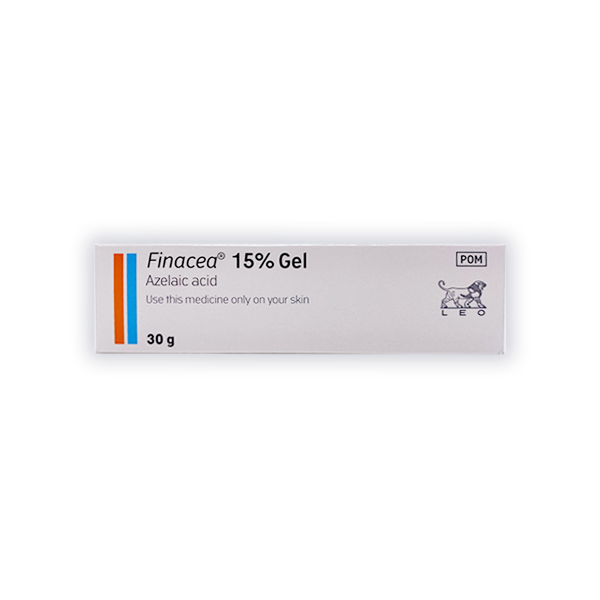
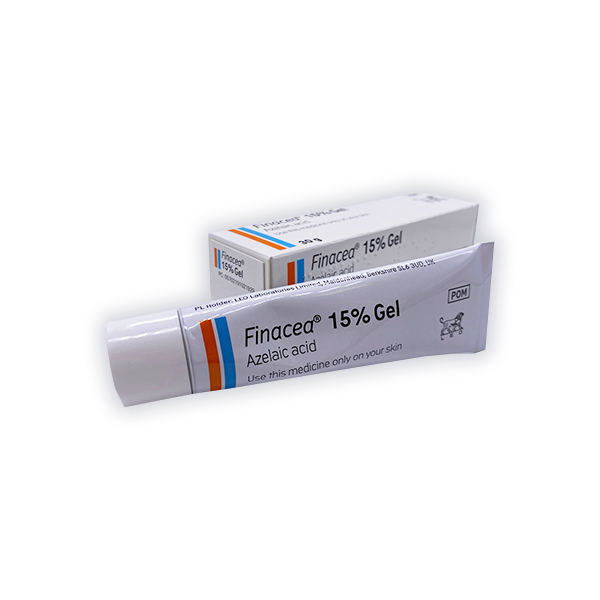
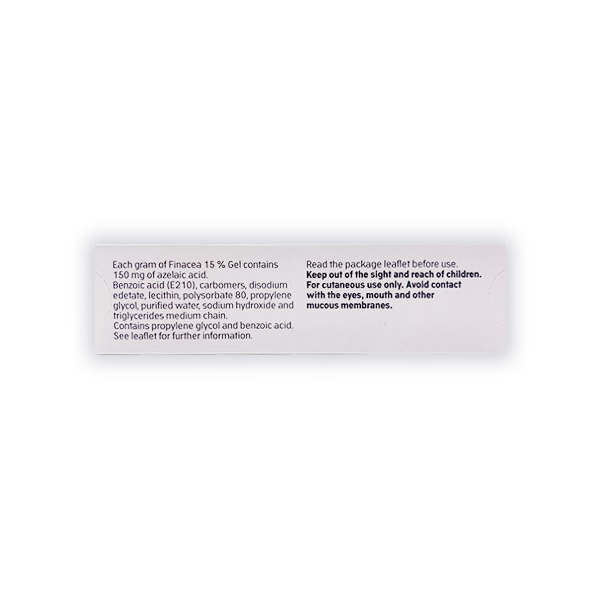
Finacea (Azelaic Acid) 15% Gel For Rosacea
Prescription Only Medication (POM)
Price Checker
Please select the product variation first.
Related Products

About the product
Finacea Gel is used to treat acne vulgaris and rosacea-related inflammation and redness. It works by reducing bacteria on the skin, unblocking pores, and decreasing inflammation to improve skin appearance.
Source: British National Formulary (BNF) – Azelaic acid
Frequently Asked Questions
Have a question? We're here to help
How long does it take azelaic acid to clear rosacea?
Azelaic acid 15% gel, such as Finacea, typically starts to show noticeable improvements in rosacea after around four weeks of treatment. It works by reducing inflammation and helping to improve the spots and pustules associated with papulopustular rosacea.
However, results vary between individuals, and several months of consistent use may be needed for optimal results. If your rosacea has not improved after two months, or your symptoms worsen, consult your prescriber about alternative treatments.
What happens if I use azelaic acid every day?
Using azelaic acid daily as prescribed can help control rosacea symptoms and reduce inflammatory spots and pustules. Finacea 15% Gel is generally applied twice daily, in the morning and evening, to clean, dry skin. Some people experience temporary burning, itching, stinging or dryness, particularly when starting treatment.
If irritation develops, the frequency may need to be reduced to once daily or treatment temporarily paused. Follow your prescriber’s advice and avoid combining it with irritating skincare products.
Which is better for rosacea, niacinamide or azelaic acid?
Azelaic acid and niacinamide can both be useful for managing rosacea, but they serve slightly different purposes. Azelaic acid 15% gel, such as Finacea, is a medicinal treatment that helps reduce inflammatory spots and pustules. Niacinamide is a skincare ingredient that may help support the skin barrier and reduce irritation.
For papulopustular rosacea, azelaic acid has established clinical evidence and is a recognised treatment option. Niacinamide may complement a suitable skincare routine but should not automatically replace prescribed treatment.
Which is better for rosacea, metronidazole or azelaic acid?
Both metronidazole, and azelaic acid are topical treatments for rosacea. Finacea 15% Gel may be particularly effective at reducing inflammatory lesions, while metronidazole is another established option that may suit people who experience irritation with azelaic acid.
The best treatment depends on your symptoms, skin sensitivity and response to previous medicines. A healthcare professional can help you choose the most appropriate option
Is azelaic acid safe during pregnancy for rosacea?
Azelaic acid is absorbed through the skin in relatively small amounts, but there is insufficient evidence to confirm its safety during pregnancy. The Finacea product information advises caution when prescribing it to pregnant women. Topical metronidazole, such as Rozex, is often the preferred treatment for inflammatory rosacea during pregnancy, depending on individual circumstances.
If you are pregnant, planning a pregnancy or breastfeeding, speak to your doctor or pharmacist before starting Finacea or changing your existing treatment.
How to use azelaic acid and metronidazole together?
Azelaic acid and topical metronidazole are both used to treat inflammatory rosacea, but using them together does not necessarily provide additional benefits, and applying multiple topical medicines may increase skin irritation.
If your rosacea is not responding adequately to one treatment, your prescriber may recommend an alternative or a tailored treatment plan. Do not combine Finacea and metronidazole without checking with your prescriber or pharmacist first.
Can you use Rozex and azelaic acid together?
Rozex contains metronidazole, while Finacea contains azelaic acid. Both can treat papulopustular rosacea, but they are often used as alternative treatments rather than automatically combined, and combining topical treatments may increase irritation, redness or dryness.
Same day dispatch:
0 minutesSame day dispatch:
0 minutesFinacea (Azelaic Acid) 15% Gel For Rosacea
Same day dispatch:
0 minutesRelated Products


Superintendent Pharmacist: Justin Dicks 2038305
© Total Access Health LTD. All rights reserved.
Pharmacy Address: 42 Barnard Road, Norwich, NR5 9JB