

Rated 4.8


Treatments


Related Medication
Frequently Asked Questions
Have a question? We're here to help
Which supplements boost immunity fastest?
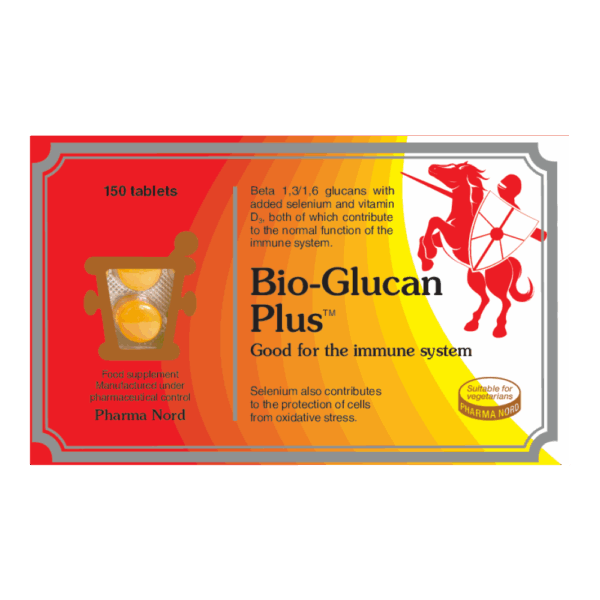
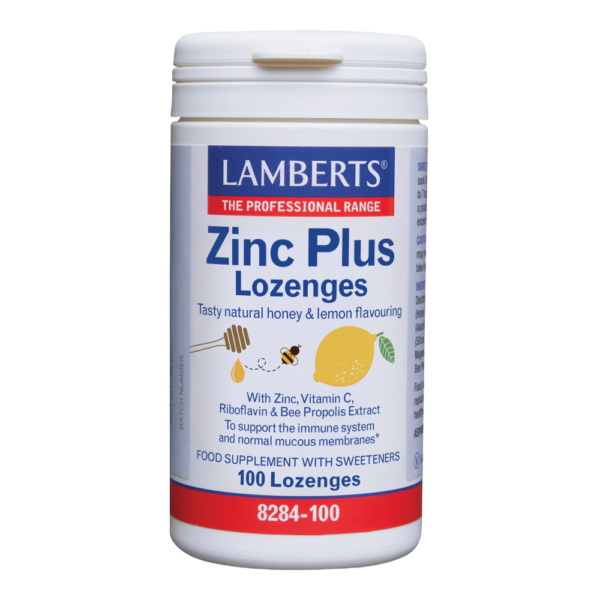
There is no supplement proven to boost the immune system instantly. However, certain vitamins and minerals, including vitamin C, vitamin D and zinc, help support normal immune function.
Taking supplements may be beneficial if you have a nutritional deficiency, but they are unlikely to prevent illness or provide immediate protection. A balanced diet, adequate sleep and regular exercise are also important for maintaining a healthy immune system.
What is the immune system?
The immune system is the body’s natural defence mechanism against harmful bacteria, viruses, fungi and other infections. It consists of organs, tissues and specialised cells, including white blood cells, that work together to identify and destroy harmful substances.
A healthy immune system also helps the body remember previous infections, allowing it to respond more effectively if exposed again. Maintaining a balanced diet, exercising regularly and getting enough sleep can all help support normal immune function.
What causes a weak immune system?
A weakened immune system can develop for several reasons, including poor nutrition, long-term health conditions, certain infections such as HIV, and ageing. Some medications, including chemotherapy and immunosuppressants used to treat autoimmune conditions, can also reduce immune activity.
People with a weakened immune system may experience more frequent infections or take longer to recover from illnesses. If you regularly experience infections or are concerned about your immunity, speak to your GP for advice.
When should you take immune supplements?
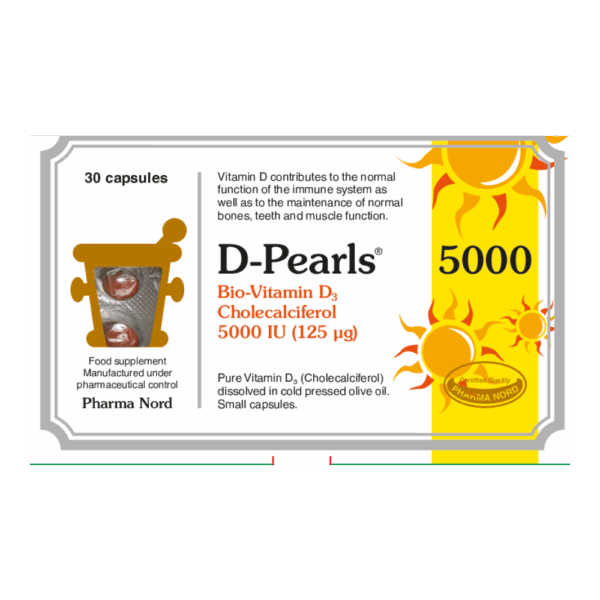
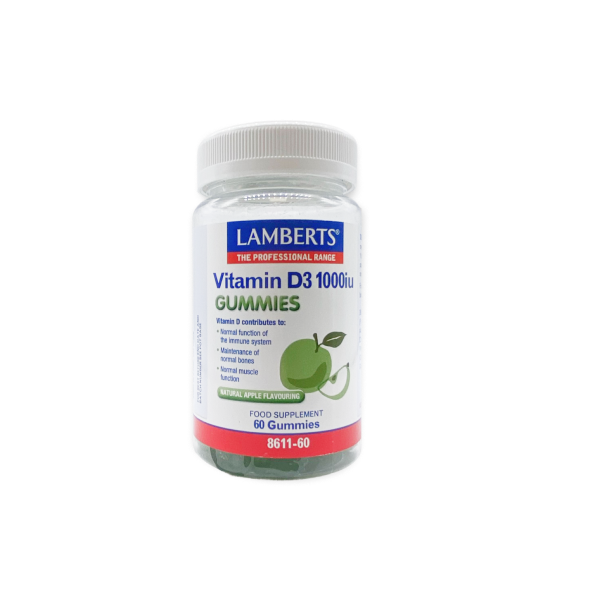
The best time to take immune supplements depends on the specific vitamin or mineral. Vitamin D, for example, is generally recommended as a daily supplement during autumn and winter in the UK, while people at greater risk of deficiency may need it throughout the year.
Consistency is more important than taking supplements at a particular time of day. Always follow the product instructions and consult a pharmacist if you take regular medication or have an underlying health condition.
Proudly Supported By Industry Experts








Superintendent Pharmacist: Justin Dicks 2038305
© Total Access Health LTD. All rights reserved.
Pharmacy Address: 42 Barnard Road, Norwich, NR5 9JB