

Rated 4.8


Start Your Pain Relievers Consultation
Complete a quick and easy questionnaire and one of our prescribers will make sure this treatment is right for you.
 4.8/5 rating on Trustpilot
 Trusted UK Registered Pharmacy
 Takes Under 2 Minutes
 Secure and Confidential

Treatments
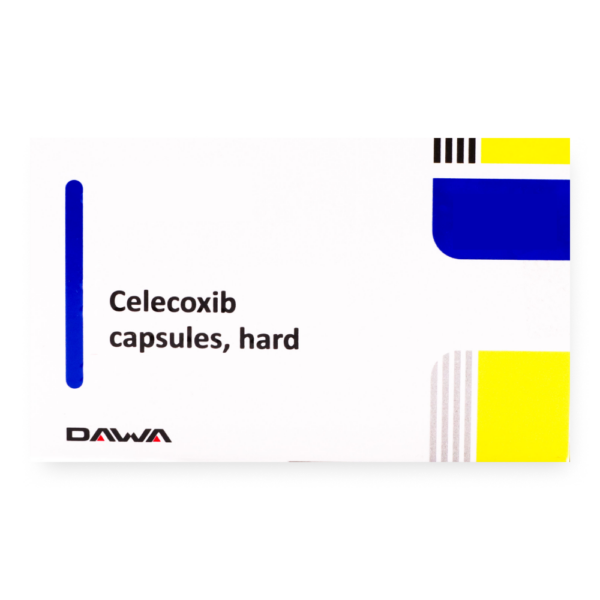
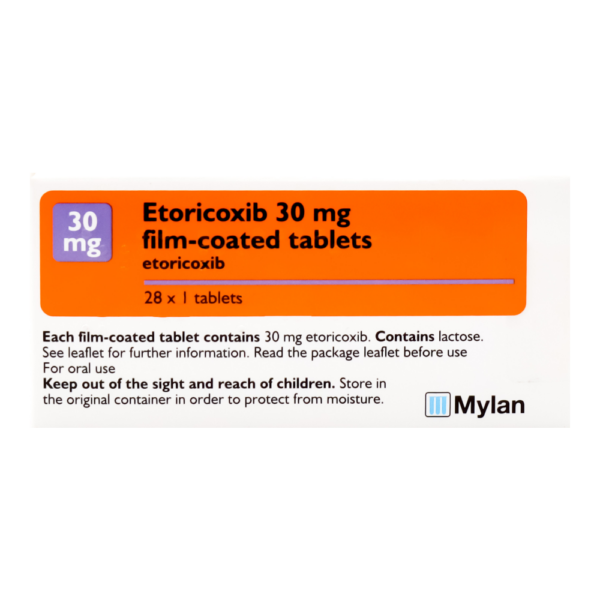

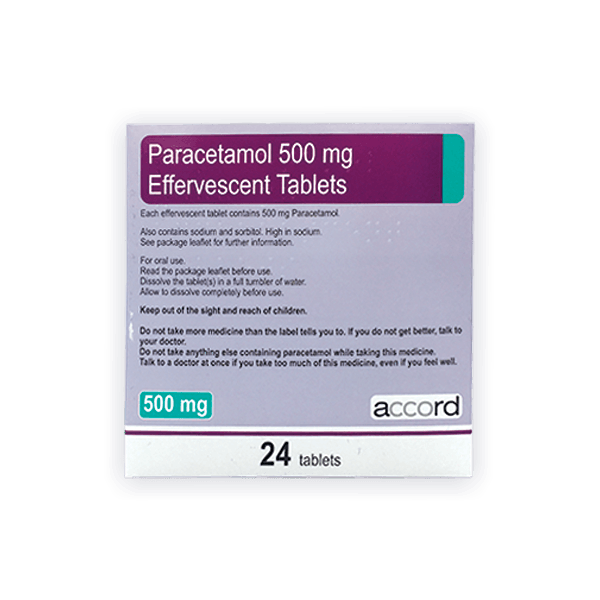


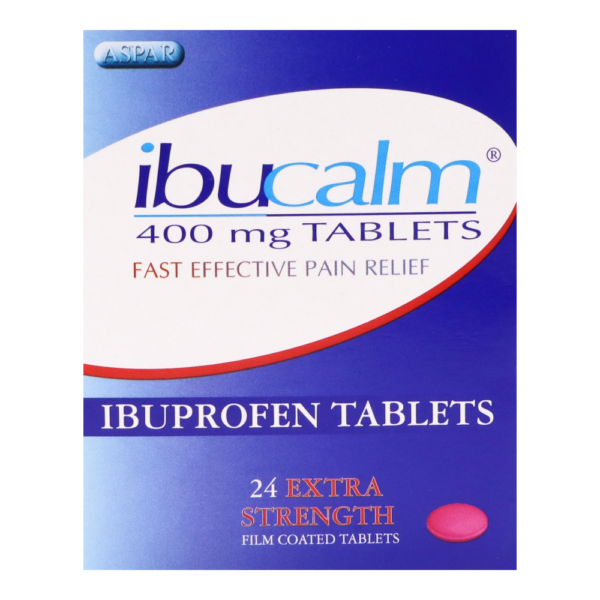
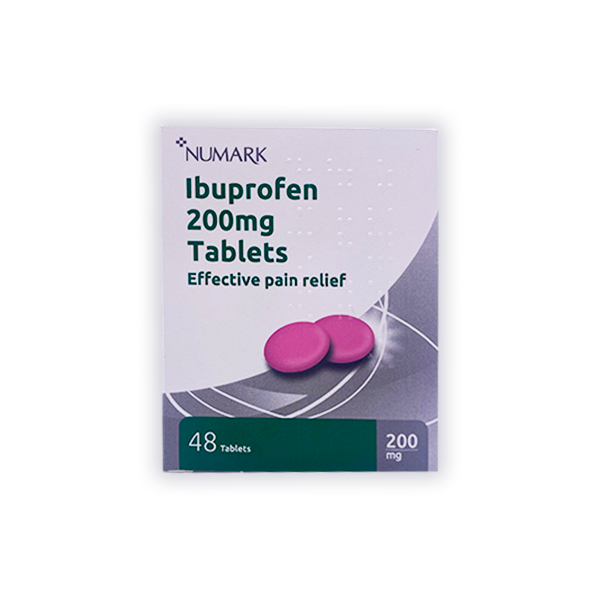
Related Medication
Frequently Asked Questions
Have a question? We're here to help
What is the treatment for pain relief?
The best treatment for pain relief depends on the type, severity and underlying cause of your discomfort. Common options include paracetamol for mild pain, and anti-inflammatory medicines such as ibuprofen or naproxen for pain associated with swelling and inflammation.
Stronger prescription treatments may be recommended for more severe or persistent pain. Other approaches, including physiotherapy and rest, may also help. Always consult a healthcare professional if pain persists or you are unsure which medication is suitable.
What is the safest pain medication for long-term use?
There is no single safest pain medication for long-term use, as this depends on your health, medical history and the type of pain you experience. Paracetamol is generally associated with fewer stomach-related side effects than anti-inflammatory medicines, but excessive or prolonged use can cause liver damage.
NSAIDs, such as ibuprofen and naproxen, can increase the risk of stomach ulcers and kidney problems. Always discuss ongoing pain relief with your GP or pharmacist.
What painkillers can I take every day?
Some painkillers, including paracetamol, can be taken regularly when medically appropriate and within the recommended dosage. However, taking painkillers every day without professional advice is not recommended, as prolonged use can increase the risk of side effects. Anti-inflammatory medicines such as ibuprofen and naproxen are generally intended for the shortest possible duration.
If you regularly need pain relief, speak to your GP or pharmacist to identify the underlying cause and discuss safer long-term management options.
What is a non-narcotic pain medication?
Non-narcotic pain medications, more commonly called non-opioid painkillers, relieve discomfort without using opioid medicines. Common examples include paracetamol, ibuprofen and naproxen. Prescription options such as nefopam can also provide pain relief without being classified as opioids.
These medicines work in different ways, depending on whether they target pain signals or reduce inflammation.

Proudly Supported By Industry Experts








Superintendent Pharmacist: Justin Dicks 2038305
© Total Access Health LTD. All rights reserved.
Pharmacy Address: 42 Barnard Road, Norwich, NR5 9JB