

Rated 4.8


Start Your Mouth Ulcers Consultation
Complete a quick and easy questionnaire and one of our prescribers will make sure this treatment is right for you.
 4.8/5 rating on Trustpilot
 Trusted UK Registered Pharmacy
 Takes Under 2 Minutes
 Secure and Confidential

Treatments
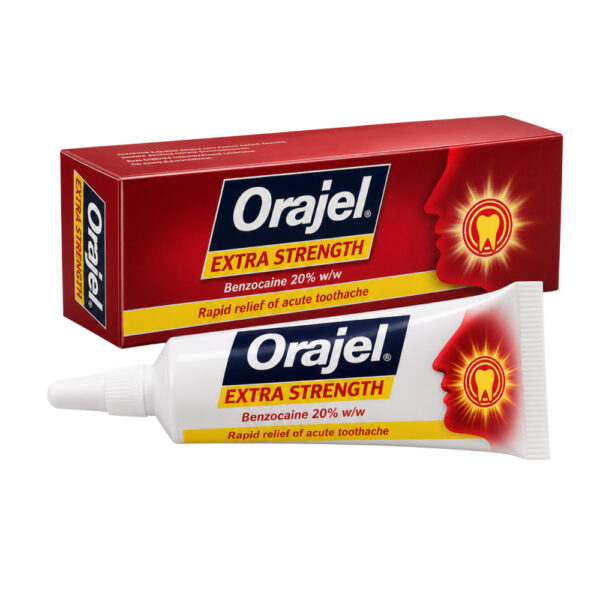
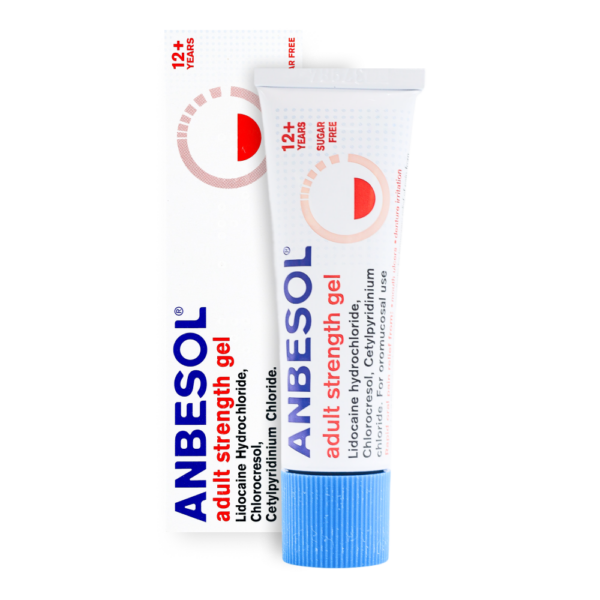
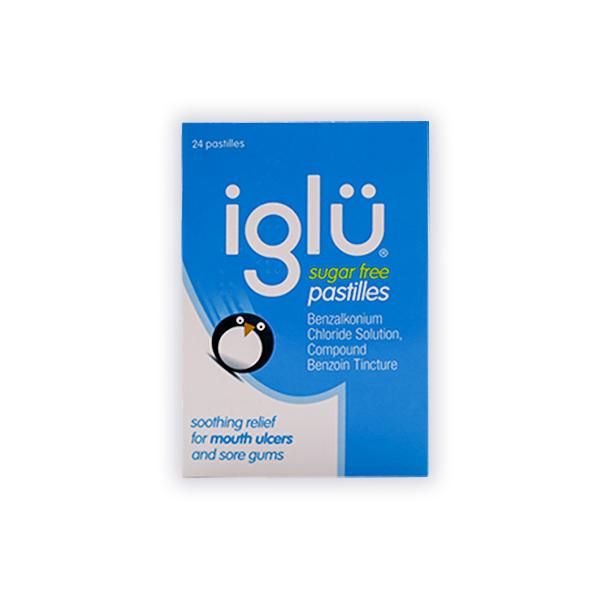
Related Medication
Frequently Asked Questions
Have a question? We're here to help
What causes ulcers in the mouth?
Mouth ulcers can develop for several reasons, including accidentally biting your cheek, brushing your teeth too hard, dental irritation or stress. Hormonal changes, nutritional deficiencies (such as vitamin B12, iron or folic acid) and certain medications can also contribute to mouth ulcers.
Sometimes, they occur alongside illnesses or infections. Most mouth ulcers are harmless and heal naturally, but recurring ulcers may indicate an underlying issue that needs investigating.
What foods cause mouth ulcers?
Certain foods can trigger or aggravate mouth ulcers, particularly if you are prone to developing them. Common triggers include acidic foods such as oranges, lemons and tomatoes, spicy foods, salty snacks and rough foods like crisps or crusty bread. Some people also find that chocolate, coffee or particular food sensitivities contribute to their mouth ulcers.
Keeping a food diary can help identify personal triggers. Avoiding foods that irritate existing ulcers may also help reduce discomfort.
When should you worry about mouth ulcers?
Most mouth ulcers are harmless, but certain symptoms should not be ignored. You should see your GP or dentist if a mouth ulcer lasts longer than three weeks, repeatedly returns, becomes increasingly painful, bleeds or appears unusually large.
You should also seek advice if you experience ulcers elsewhere on your body, swollen joints or other unexplained symptoms.
How long do mouth ulcers take to heal?
Most mouth ulcers heal naturally within one to two weeks without requiring medical treatment. Larger or more severe ulcers may take longer to disappear. You can help the healing process by maintaining good oral hygiene, using a soft-bristled toothbrush and avoiding spicy, acidic or crunchy foods.
Pharmacy treatments, including soothing gels and antimicrobial mouthwashes, may help relieve discomfort.
Are mouth ulcers contagious?
No, ordinary mouth ulcers are not contagious and cannot be passed between people through kissing, sharing food or drinking from the same glass. They are generally caused by irritation, minor injuries or other non-infectious triggers.
However, some conditions that cause sores inside the mouth, such as hand, foot and mouth disease or herpes infections, can be contagious. It is important to distinguish ordinary mouth ulcers from cold sores, which are caused by a virus and can spread through close contact.
How do you treat mouth sores in a child?
Mouth sores in children can be caused by minor injuries, viral infections or conditions such as hand, foot and mouth disease. Encourage your child to drink plenty of fluids and offer soft, cool foods such as yoghurt or mashed potato. Avoid acidic, salty and spicy foods that may irritate the sores.
A pharmacist can recommend suitable pain relief, but always check age restrictions before using mouth ulcer gels or medicines.
Proudly Supported By Industry Experts








Superintendent Pharmacist: Justin Dicks 2038305
© Total Access Health LTD. All rights reserved.
Pharmacy Address: 42 Barnard Road, Norwich, NR5 9JB