

Rated 4.7


Start Your Men's Hair Loss Consultation
Complete a quick and easy questionnaire and one of our prescribers will make sure this treatment is right for you.
 4.7/5 rating on Trustpilot
 Trusted UK Registered Pharmacy
 Takes Under 2 Minutes
 Secure and Confidential

Treatments
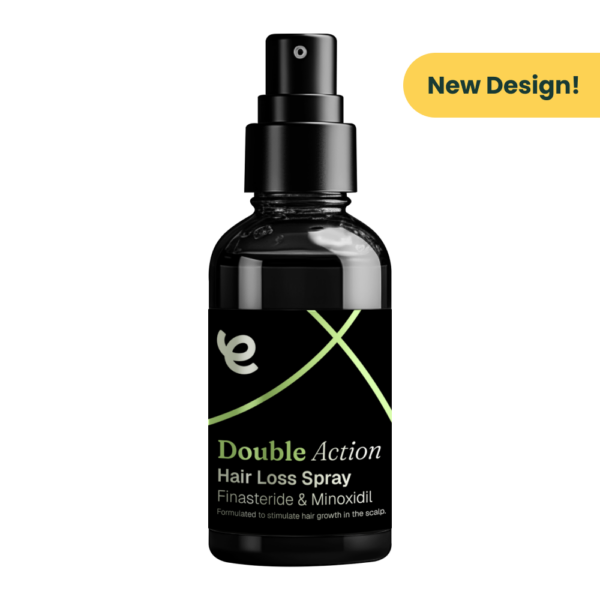
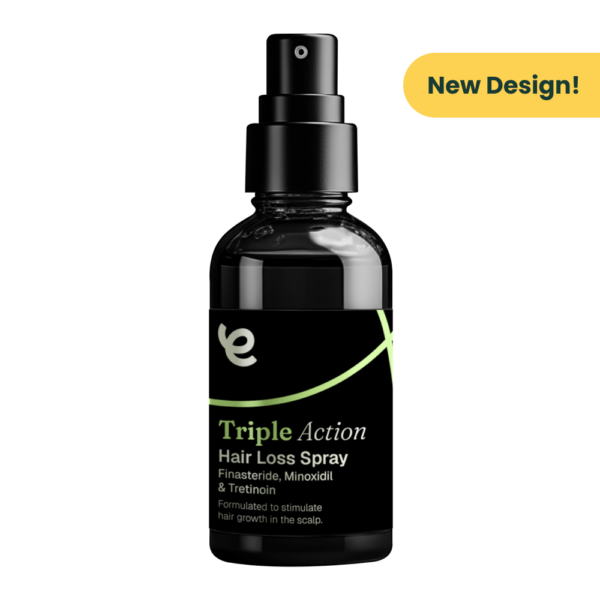
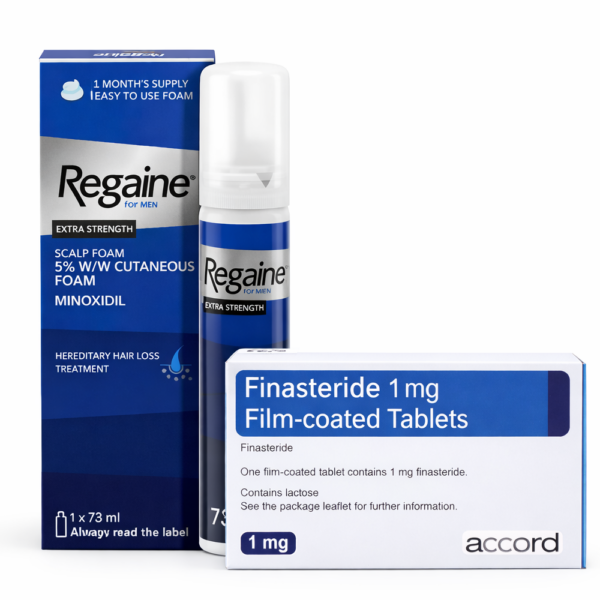

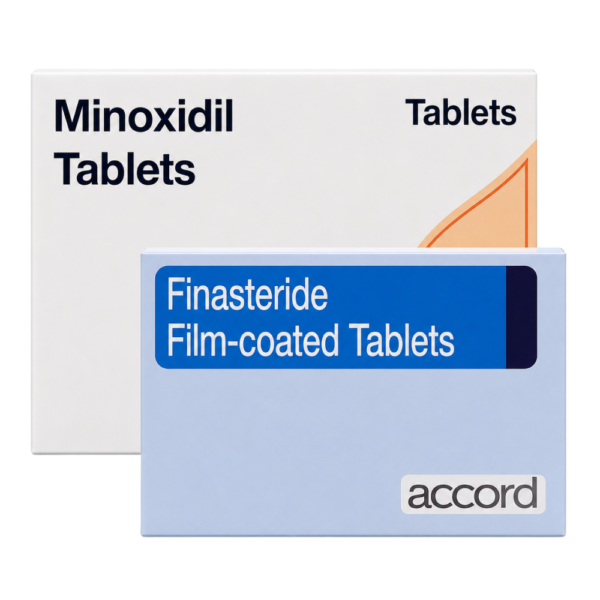
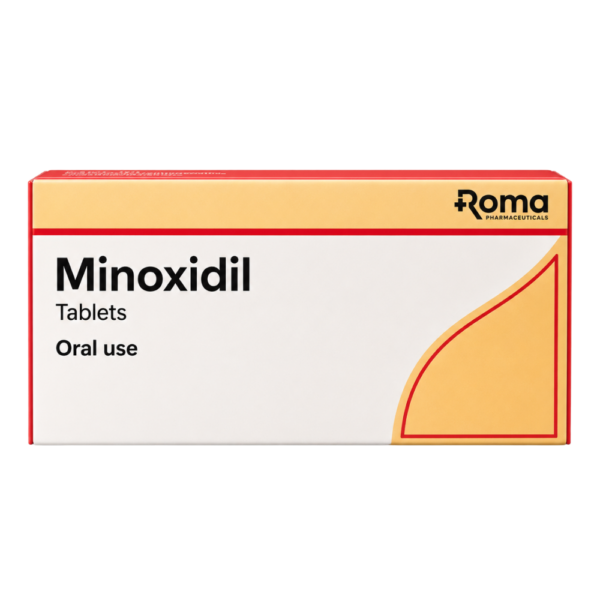
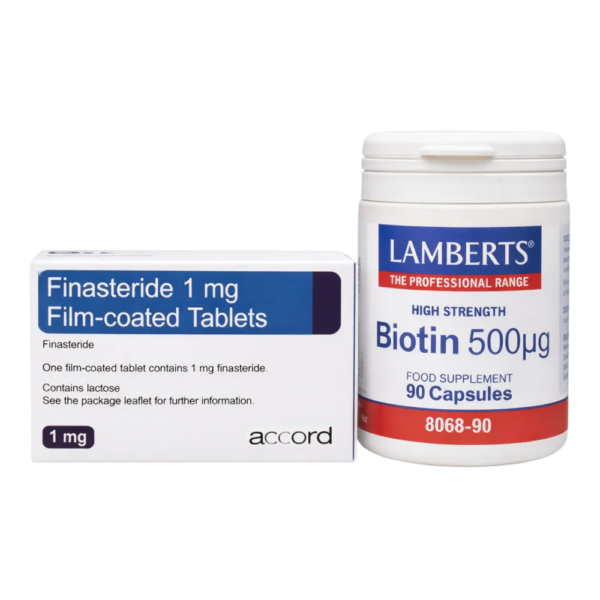

Related Medication


Frequently Asked Questions
Have a question? We're here to help
What is male hair loss?
Male hair loss, also called male pattern baldness, is the most common type of hair loss in men. It usually follows a predictable pattern of thinning hair at the temples and crown. Over time, this thinning can progress to more extensive baldness.
What causes male hair loss?
The main cause is genetics and sensitivity to a hormone called DHT (dihydrotestosterone). DHT affects hair follicles, making them shrink over time and produce thinner, shorter hairs. Other factors such as stress, illness, certain medications, or poor nutrition can also contribute to or speed up the process. Understanding the cause can help in finding the right treatment.
What are the symptoms of male hair loss?
The first signs are often a receding hairline or thinning on the crown of the head. Over time, this thinning can spread and become more noticeable. In some cases, it can progress to partial or complete baldness. The pattern and speed of hair loss vary between individuals.
What is the treatment for male hair loss?
Effective treatments include minoxidil sprays and finasteride tablets. These treatments can slow down hair loss and, in some cases, encourage regrowth. They work best when started early and used consistently. For more advanced cases, options like hair transplants may also be considered.
Can you regrow lost hair as a male?
Yes, but success depends on how advanced the hair loss is. Treatments such as minoxidil and finasteride can help regrow hair if the follicles are still active. Starting treatment early increases the chances of success. If follicles are completely inactive, regrowth is unlikely.
How do I stop my hair from falling?
Using approved treatments like minoxidil or finasteride is one of the most effective ways to reduce hair loss. Maintaining a healthy diet and lifestyle, managing stress, and avoiding harsh styling or chemicals can also help. Regular scalp care may improve hair strength and thickness. Combining these steps provides the best results.
What blood test is done for hair loss?
A GP may recommend blood tests to check for conditions linked to hair loss. These tests can identify thyroid problems, low iron levels, or hormonal imbalances that may contribute to thinning. Addressing underlying health issues can help improve overall hair health. The tests also rule out other potential causes beyond genetic baldness.
How to reactivate hair follicles?
If follicles are dormant but not destroyed, treatments such as minoxidil may help stimulate activity and growth. Finasteride may also help by reducing DHT, which damages follicles over time. However, if the follicles are permanently inactive, regrowth is very unlikely. In such cases, cosmetic options or transplants may be considered.
How to fix thinning hair in a male?
Treatments like minoxidil sprays or solutions and finasteride tablets can help slow hair loss and even thicken existing hair. Some men choose to use both together for better results. Cosmetic approaches, like choosing thicker hairstyles or using hair fibres, can also make thinning less noticeable. In more advanced cases, surgical options such as hair transplants are available.
What is stage 1 hair loss?
Stage 1 on the Norwood scale refers to the earliest stage of male pattern baldness. At this stage, there may be very minimal recession of the hairline, which is often difficult to notice. Many men at stage 1 may not experience significant progression for years. Starting treatment early at this stage can prevent further loss.
How safe are hair loss treatments?
When used as directed, minoxidil and finasteride are generally considered safe and effective. However, some men may experience side effects such as scalp irritation from minoxidil. Finasteride can sometimes cause sexual side effects or mood changes. It’s important to consult a doctor before starting treatment.
Who can’t use hair loss treatments?
Hair loss treatments like finasteride and minoxidil are designed for adult men only. They should not be used by women, children, or men with certain medical conditions. People with liver problems, allergies, or who are on specific medications may also need to avoid them. You should always with a doctor before starting.
How long does it take for hair loss treatment to work?
Most men begin to notice visible improvements after about three to six months of consistent use. The best results are usually seen after 12 months of treatment. It’s important to keep using the products, as stopping them will likely cause hair loss to return. Patience and consistency are key.
How effective are hair loss treatments?
Minoxidil and finasteride are the most proven treatments and can be very effective for many men. They are particularly successful when used together, as they target different causes of hair loss. However, not everyone responds the same way, and results depend on the stage of baldness. The earlier treatment is started, the better the outcome.
What happens if male hair loss is left untreated?
Male hair loss usually progresses over time and rarely stops on its own. Without treatment, the thinning areas typically expand, making baldness more noticeable. Once the follicles stop producing hair, regrowth is unlikely. Early treatment offers the best chance of slowing or reversing the process.


Proudly Supported By Industry Experts








Superintendent Pharmacist: Justin Dicks 2038305
© Total Access Health LTD. All rights reserved.
Pharmacy Address: 42 Barnard Road, Norwich, NR5 9JB