

Rated 4.7


Start Your Hypothyroidism Consultation
Complete a quick and easy questionnaire and one of our prescribers will make sure this treatment is right for you.
 4.7/5 rating on Trustpilot
 Trusted UK Registered Pharmacy
 Takes Under 2 Minutes
 Secure and Confidential

Treatments
Related Medication
Frequently Asked Questions
Have a question? We're here to help
What is hypothyroidism?
Hypothyroidism is a condition where your thyroid gland doesn’t produce enough thyroid hormones, which are essential for regulating metabolism, energy, and body temperature. This can cause fatigue, weight gain, and sensitivity to cold. It’s a common condition that can develop gradually over time.
What are the symptoms of hypothyroidism?
The common symptoms include tiredness, weight gain, dry skin, hair loss, and feeling unusually cold. Some people may also experience low mood, muscle aches, or difficulty concentrating. Symptoms often develop slowly and may be mistaken for signs of aging or stress.
What causes hypothyroidism?
The most common cause is an autoimmune condition called Hashimoto’s thyroiditis, where the immune system attacks the thyroid gland. Other causes can include certain medications, previous thyroid surgery, or a lack of iodine in the diet. In some cases, it can also develop after pregnancy or due to genetic factors.
What is the most common cause of hypothyroidism?
The leading cause in the UK is Hashimoto’s disease, an autoimmune condition where the body mistakenly attacks thyroid tissue. Over time, this damages the gland and reduces its ability to produce hormones. It’s more common in women and often runs in families.
How is hypothyroidism diagnosed?
A blood test is used to measure your thyroid hormone levels, specifically TSH (thyroid-stimulating hormone) and thyroxine (T4). If your TSH is high and T4 is low, it usually indicates hypothyroidism. Your GP may repeat tests to confirm the diagnosis and adjust treatment as needed.
What is the treatment for hypothyroidism?
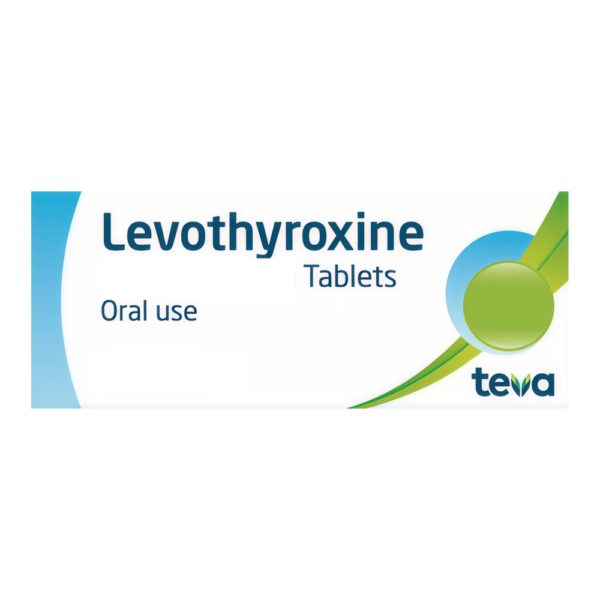
The standard treatment is taking daily thyroid hormone replacement tablets such as Levothyroxine. This medicine restores hormone levels to normal and helps relieve symptoms like tiredness and weight gain. Treatment is usually lifelong, but it’s very effective when taken correctly.
How long does it take for hypothyroidism treatment to work?
You may start feeling better after a few weeks of treatment, but it can take several months for symptoms to fully improve. Your doctor will usually check your hormone levels every 6–8 weeks at first to adjust your dose. Once stable, regular monitoring helps keep your levels balanced.
How to tell if hypothyroidism is getting worse?
If your symptoms start returning – such as fatigue, weight gain, or feeling cold – it might mean your thyroid hormone levels are too low. Other signs can include swelling in your neck, low mood, or memory problems. If you notice changes, contact your doctor for a review and possible dose adjustment.
What can make hypothyroidism worse?
Skipping medication, taking it inconsistently, or combining it with certain supplements (like iron or calcium) can affect how well it works. Stress, poor sleep, and significant weight changes may also impact your thyroid balance. Always take your medication as prescribed and at the same time each day.
Who is at risk of developing hypothyroidism?
It’s more common in women, especially over the age of 50, and in people with a family history of thyroid disease. Autoimmune conditions like type 1 diabetes or coeliac disease can also increase risk. Some people may develop it temporarily after pregnancy or an illness.
Can hypothyroidism go away on its own?
In most cases, hypothyroidism is a lifelong condition that requires ongoing treatment. However, if it’s caused by a temporary issue such as thyroid inflammation or certain medications, it may resolve. Regular blood tests will help your doctor determine if treatment is still needed.
What should you not do if you have hypothyroidism?
Avoid stopping your thyroid medication suddenly, even if you feel well. You should also avoid taking your tablets alongside calcium, iron, or high-fibre foods, as they can interfere with absorption. Try not to skip doses or change brands without medical advice.
Can you drink alcohol if you have hypothyroidism?
Moderate alcohol consumption is generally safe for most people with hypothyroidism. However, excessive drinking can affect liver function and hormone metabolism, which may interfere with your treatment. Always follow your doctor’s guidance if you take other medications.
What happens if hypothyroidism is left untreated?
If left untreated, hypothyroidism can cause severe fatigue, weight gain, and depression. Over time, it may also lead to high cholesterol, heart problems, or infertility. In rare cases, it can cause a serious condition called myxoedema, which requires urgent medical care.

Proudly Supported By Industry Experts








Superintendent Pharmacist: Justin Dicks 2038305
© Total Access Health LTD. All rights reserved.
Pharmacy Address: 42 Barnard Road, Norwich, NR5 9JB