

Rated 4.6


Start Your Haemorrhoids and Piles Consultation
Complete a quick and easy questionnaire and one of our prescribers will make sure this treatment is right for you.

4.6/5 Trustpilot Rating

Trusted UK Registered Pharmacy

Takes Under 2 Minutes

Secure and Confidential

Justin Dicks
Superintendent Pharmacist
GPhC Number 2038305
Treatments


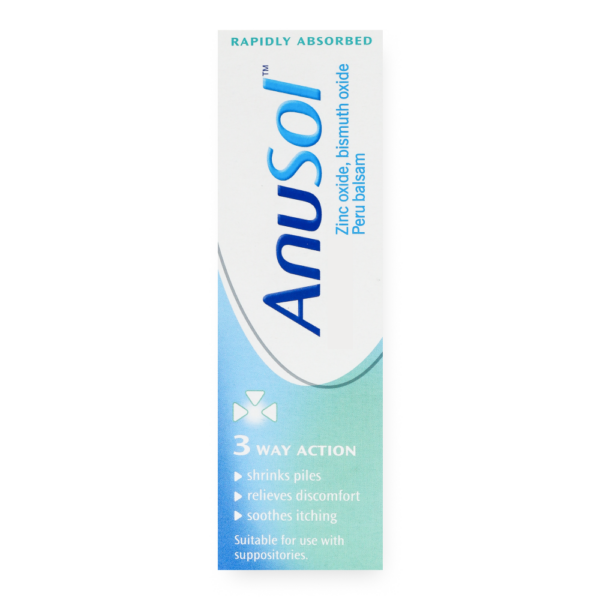
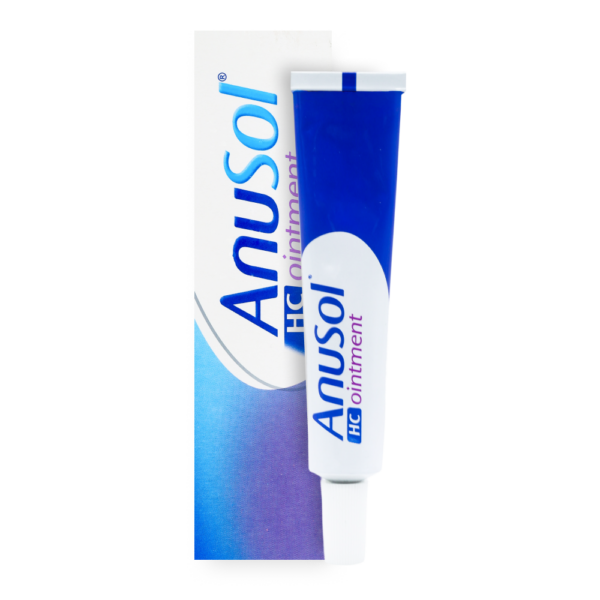
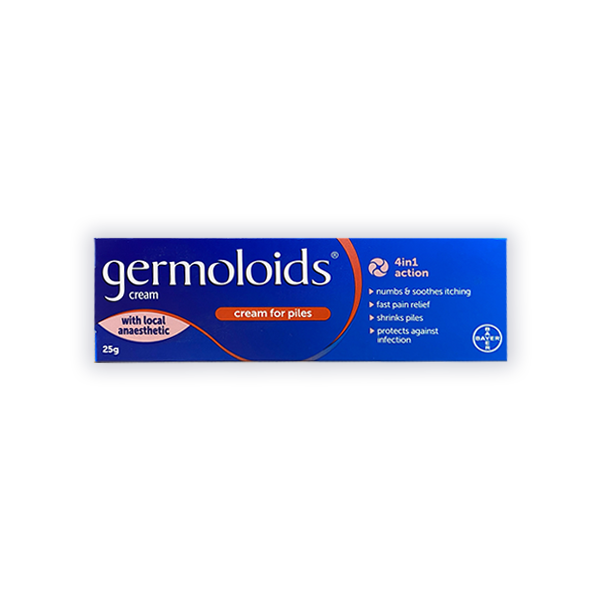
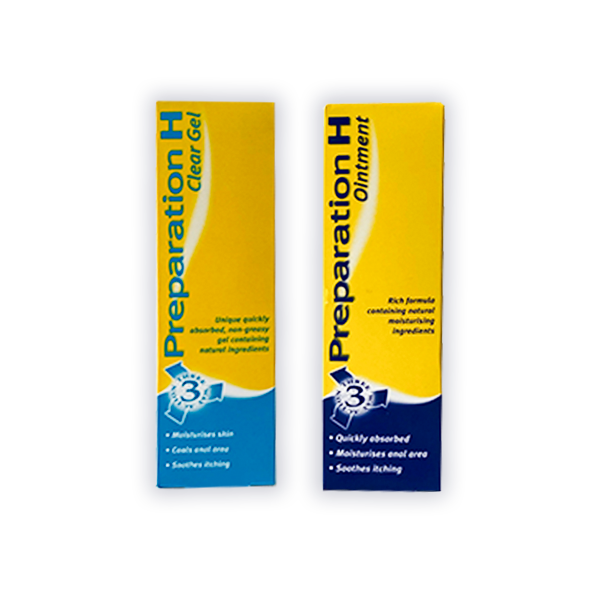
Related Medication
Frequently Asked Questions
Have a question? We're here to help
What are haemorrhoids (piles)?
Haemorrhoids, also known as piles, are swollen veins found inside or around the anus and lower rectum. They can cause discomfort, itching, pain, and bleeding during bowel movements. Haemorrhoids are very common and can affect people of any age, though they are more frequent in adults.
What causes haemorrhoids?
Haemorrhoids develop when pressure increases in the veins around your anus, often due to straining during bowel movements, constipation, or sitting for long periods. Pregnancy, obesity, and a low-fibre diet can also make them more likely. Over time, this pressure causes the veins to swell and become irritated.
What are the symptoms of haemorrhoids?
The common symptoms include itching, soreness, and swelling around the anus, as well as bright red bleeding after passing stools. You might also feel small lumps near your anus, or experience pain when sitting or going to the toilet. Internal haemorrhoids are usually painless, while external ones can be more uncomfortable.
Are piles and haemorrhoids the same thing?
Yes – “piles” and “haemorrhoids” are two names for the same condition. “Haemorrhoids” is the medical term, while “piles” is more commonly used in everyday conversation. Both refer to swollen blood vessels in and around the rectum or anus.
How long does it take for haemorrhoids to go away?
Mild haemorrhoids often improve within a few days to a week with simple lifestyle changes and over-the-counter treatments. More severe or persistent cases may take longer and sometimes need prescription medication like Uniroid Ointment or Proctosedyl Ointment. Chronic haemorrhoids may require ongoing management to prevent flare-ups.
What makes haemorrhoids flare up?
Flare-ups are often triggered by constipation, straining on the toilet, heavy lifting, or prolonged sitting. A low-fibre diet or dehydration can also make symptoms worse. Managing bowel habits and keeping active can help reduce the chances of recurrence.
What are the different types of haemorrhoids?
There are two main types: internal and external haemorrhoids. Internal haemorrhoids form inside the rectum and are usually painless, though they may bleed. External haemorrhoids develop under the skin around the anus and can be more painful or itchy.
What is the treatment for haemorrhoids?
Most haemorrhoids can be treated with creams, ointments, and suppositories to relieve pain and swelling. Prescription options such as Uniroid Ointment or Proctosedyl Ointment can reduce inflammation and promote healing. A high-fibre diet, good hydration, and avoiding prolonged straining are key to recovery.
Will a haemorrhoid go away on its own?
Small haemorrhoids may go away without treatment, especially if you make changes to your diet and toilet habits. However, persistent or painful haemorrhoids usually need medical treatment to prevent complications. Seeking early advice can help ease symptoms faster and reduce the risk of recurrence.
What not to do with haemorrhoids?
Try to avoid straining when passing stools or sitting on the toilet for too long. You should also steer clear of using dry toilet paper, as it can irritate the area – use moist wipes or wash gently instead. Avoid heavy lifting or sitting for long periods, as both can worsen swelling.
Who is more likely to get haemorrhoids?
Haemorrhoids are more common in people who experience frequent constipation, are overweight, or lead a sedentary lifestyle. Pregnant women are also more at risk due to hormonal changes and pressure from the growing uterus. Ageing can also weaken vein walls, making haemorrhoids more likely.
How safe are haemorrhoid treatments?
Most haemorrhoid creams and ointments are safe when used as directed and can be purchased online from trusted pharmacies like e-Surgery. Prescription treatments such as Proctosedyl Ointment and Uniroid Ointment contain soothing and anti-inflammatory ingredients to relieve discomfort. Always follow medical advice and avoid prolonged use without a doctor’s guidance.
What size haemorrhoids need surgery?
Surgery is usually only needed for large haemorrhoids that don’t respond to creams, ointments, or lifestyle changes. If haemorrhoids are prolapsed (bulging out of the anus) or frequently bleed, your doctor may recommend minor procedures such as banding or removal. Most people do not need surgery and recover well with medical treatment.
Can haemorrhoids be prevented?
You can reduce your risk by eating plenty of fibre-rich foods, drinking lots of water, and exercising regularly. Avoid straining or sitting on the toilet for long periods. These habits help keep your bowel movements regular and prevent pressure from building up in the veins.
What happens if haemorrhoids are left untreated?
Untreated haemorrhoids can lead to ongoing pain, itching, and bleeding, and in some cases may become infected or form blood clots. Chronic cases can interfere with daily life and cause significant discomfort. Early treatment helps prevent complications and promotes faster healing.

Proudly Supported By Industry Experts








Superintendent Pharmacist: Justin Dicks 2038305
© Total Access Health LTD. All rights reserved.
Pharmacy Address: 42 Barnard Road, Norwich, NR5 9JB