

Rated 4.8


Start Your Enlarged Prostate BPH Consultation
Complete a quick and easy questionnaire and one of our prescribers will make sure this treatment is right for you.
 4.8/5 rating on Trustpilot
 Trusted UK Registered Pharmacy
 Takes Under 2 Minutes
 Secure and Confidential

Treatments


Related Medication

Frequently Asked Questions
Have a question? We're here to help
What is the treatment for prostatism?
Treatment for prostatism depends on the severity of symptoms and the underlying cause. Mild symptoms may be managed through lifestyle changes, such as reducing caffeine and alcohol intake.
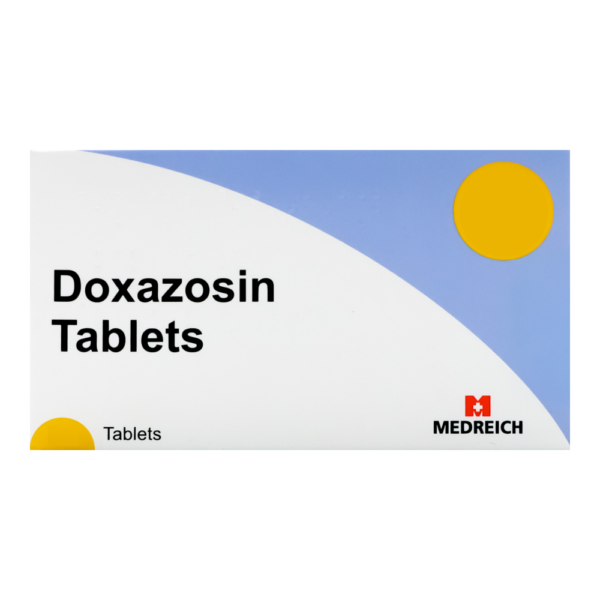
For more troublesome symptoms, medications such as tamsulosin or doxazosin can relax the muscles around the prostate and bladder, improving urine flow. Finasteride can gradually reduce prostate size.
What is the main cause of prostate problems?
The most common cause of prostate problems in older men is benign prostate enlargement (BPH), which becomes increasingly common with age. Hormonal changes are thought to contribute to prostate growth, particularly in men over 50.
However, prostate problems can also result from inflammation (prostatitis), infections or prostate cancer. An enlarged prostate is not cancerous and does not increase your risk of developing prostate cancer.
How to check for prostate issues at home?
You cannot reliably diagnose prostate problems at home, but monitoring changes in your urination can help identify potential symptoms. Look out for a weak urine stream, difficulty starting urination, frequent trips to the toilet, waking during the night to urinate or feeling that your bladder has not emptied completely.
Keeping a bladder diary can help your GP assess these symptoms. If you notice persistent changes, arrange an appointment with your GP for further assessment.
When to worry about prostate?
You should arrange a GP appointment if you experience persistent difficulty urinating, a weak urine stream, frequent urination or regularly waking at night to use the toilet. Blood in your urine, painful urination or an inability to urinate require urgent medical attention.
Contact NHS 111 or seek an urgent GP appointment for blood or pain when urinating. If you cannot pass urine at all, seek immediate medical attention. Early assessment helps identify conditions such as prostatism, infections or prostate cancer.
How to check your prostate?
The most reliable way to check your prostate is through an assessment with a GP or healthcare professional. They may perform a digital rectal examination (DRE), where a gloved, lubricated finger is gently inserted into the rectum to feel the prostate for enlargement or unusual changes.
You may also be offered a PSA blood test, which measures prostate-specific antigen levels. Neither test can diagnose prostate cancer on its own, but both can help determine whether further investigations are needed.
What should I expect from an Prostatism consultation?
The Prostatism consultation involves completing a detailed online questionnaire about your current Prostatism condition and personal medical history.
You’ll be asked a series of questions regarding your Prostatism symptoms and other general medical questions such as any allergies or current diagnoses. Our expert prescribers will then use this information to determine the appropriate treatment plan.
How long will a Prostatism consultation take?
The Prostatism online consultation questionnaire is designed to be convenient while still allowing you to provide comprehensive information about your condition. It can typically be completed in under 2 minutes.
What happens after I complete the Prostatism consultation?
Once you finish the online Prostatism questionnaire, you’ll be able to request your preferred medication or treatment and complete your purchase.
A prescriber will review all the consultation details you provided. If any additional clarification is needed, we will follow up with you. Once the appropriate treatment is confirmed, your order will be packed and shipped to the given address using your preferred delivery option.
Do I get to choose which Prostatism medication I receive?
Yes, you can request a particular medication after completing the Prostatism consultation.
However, our prescribers will ensure that the requested treatment aligns with professional guidelines and is appropriate based on the specifics of your condition outlined in the questionnaire responses. The prescriber will make the final decision on your treatment plan.
What if I'm already taking other medications – should I mention these in the Prostatism consultation?
Yes, it’s crucial to list all current medications, including over-the-counter drugs and supplements, during your consultation. This helps prevent potential drug interactions and ensures safe treatment.
Proudly Supported By Industry Experts








Superintendent Pharmacist: Justin Dicks 2038305
© Total Access Health LTD. All rights reserved.
Pharmacy Address: 42 Barnard Road, Norwich, NR5 9JB