As the days grow shorter and temperatures drop, winter can pose unique challenges to our health and wellbeing. However, with the right approach, you can thrive during the colder months. This comprehensive guide will help you navigate winter wellness, from maintaining your vitamin levels to supporting your mental health.
The Vital Role of Vitamin D

During winter, one of the most significant health concerns in the UK is vitamin D deficiency. Our bodies produce vitamin D when they are exposed to direct sunlight, but from October to early March, the sun isn’t strong enough in the UK for our skin to always make enough of this essential vitamin.
Vitamin D is crucial for maintaining healthy bones, teeth, and muscles. It also plays an important role in supporting your immune system, which is particularly valuable during cold and flu season. The NHS recommends that everyone considers taking a daily supplement containing 10 micrograms of vitamin D during autumn and winter months.
You can find vitamin D in:
- Oily fish such as salmon and mackerel
- Red meat and liver
- Egg yolks
- Fortified breakfast cereals and fat spreads
However, supplementation remains the most reliable way to maintain adequate levels during winter.
Staying Active When It’s Cold Outside
Winter weather can make it tempting to hibernate indoors, but maintaining physical activity is essential for both physical and mental health. We know that the cold and icy winter conditions can make outdoor exercise both unattractive and possibly hazardous, so it’s important to consider alternative options to continue getting regular exercise.
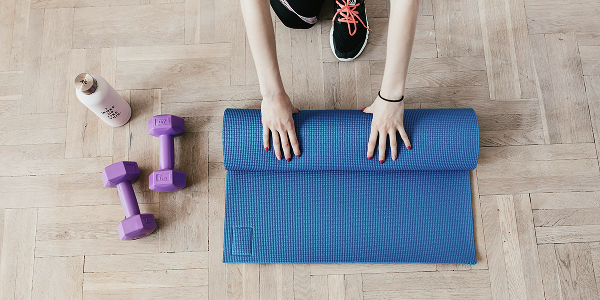
Indoor exercise options include:
- Swimming at your local leisure centre for excellent cardiovascular exercise that’s gentle on joints
- Community centre and gym classes ranging from yoga to high-intensity interval training
- Home workouts using online videos, resistance bands, and bodyweight exercises
- Using treadmills and exercise bikes for cardiovascular exercise at your local gym or sports centre
If you do venture outdoors, layering your clothing is key. Wear moisture-wicking base layers, insulating middle layers, and a windproof outer layer. Activities like brisk walking, even in cold weather, can be invigorating and beneficial. Just ensure you warm up properly, avoid extremely icy ground and stay visible with head torches and high-vis clothes if exercising in darker conditions.
Nourishing Your Body Through Winter
Winter nutrition should focus on supporting your immune system and maintaining energy levels. We know that with the winter season comes the coughs and colds, as well as being the height of the flu season. While sticking to a healthy diet won’t prevent you from catching a cold, it can help maintain your immune system to better protect you.
Some winter nutritional tips:
- When you have the flu or a cold, it’s really important you keep eating and drinking even if you don’t feel like it. Use your freezer and store cupboards to keep a range of easy-to-cook meals that you can fall back on if you become ill.
- Aim to still get your 5-a-day during the cold months. One way of increasing your vegetable intake is with warming soups and stews that contain lots of vegetables. To find out some other practical ways of increasing your vegetable intake, check out this article by the British Heart Foundation
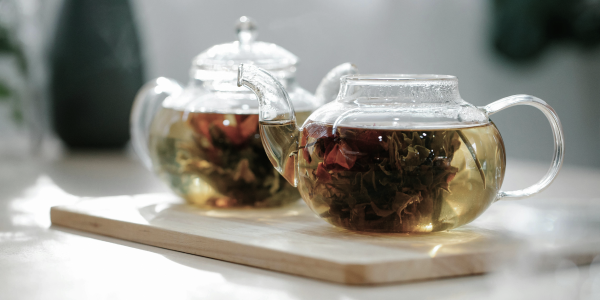
- Don’t neglect hydration during winter. Whilst you might not feel as thirsty as in summer, your body still needs adequate fluids. Herbal teas, warm water with lemon, and broths all contribute to your daily fluid intake whilst providing warming comfort.
- Don’t be afraid to buy frozen fruit and vegetables! They can sometimes be more nutritional than the fresh alternatives and will last ages in the freezer so there is no risk of waste.
Supporting Your Mental Wellbeing
Winter can significantly impact mental health, with many people experiencing low mood or Seasonal Affective Disorder (SAD). The NHS recognises SAD as a type of depression with a seasonal pattern, typically occurring during autumn and winter.
Strategies to support your mental health:
- Spend time outdoors during daylight hours, particularly in the morning, to regulate your body clock and boost mood
- Consider light therapy using SAD lamps if natural light is limited (consult your GP first as it may not be suitable for some eye conditions or for people taking certain medications)
- Maintain social connections through face-to-face meetings, phone calls, or video chats
- Join community activities, volunteer, or participate in interest groups for social interaction and purpose

Winter can lead to isolation, so make conscious efforts to stay connected with friends and family. If you’re struggling with persistent low mood, anxiety, or other mental health concerns, don’t hesitate to reach out for support. Your GP can provide guidance and access to services such as talking therapies through the NHS Talking Therapies programme.
Daily Habits for Winter Wellness

Incorporating simple daily habits can significantly enhance your winter wellbeing. Here are some easy practical tips that you can consider fitting into your daily routine to help beat off those ‘winter blues’:
Morning routine:
- Expose yourself to natural light soon after waking, even if it’s cloudy
- Take your vitamin D supplement with breakfast to establish a routine
- Aim for a consistent wake-up time to regulate your circadian rhythm
Throughout the day:
- Plan balanced meals and prepare healthy snacks to avoid less nutritious options
- Include regular movement, even brief walks or stretches, to keep energy levels stable
- Stay hydrated with water, herbal teas, or warming broths
Evening wind-down:
- Establish a consistent bedtime, aiming for seven to nine hours of sleep
- Ensure your bedroom is cool, dark, and quiet to promote quality sleep
- Practise stress management through activities you enjoy, whether reading, listening to music, or mindfulness exercises
Winter doesn’t need to be a season of poor health. With these practical strategies and tips, you can help maintain your wellbeing and even thrive during the colder months.
This article is intended for informational purposes only and does not constitute medical advice. Please consult with a healthcare professional for personalised medical guidance.