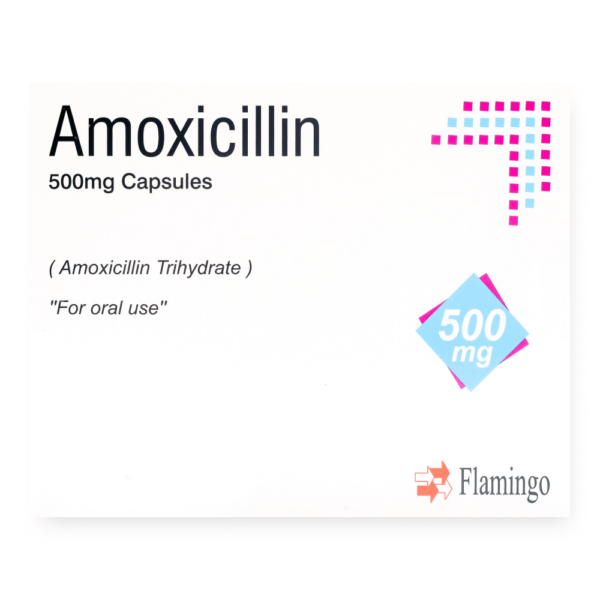
When your doctor prescribes antibiotics to fight a bacterial infection, what you eat can significantly impact both the medication’s effectiveness and your overall wellbeing. Antibiotics are powerful medications that kill harmful bacteria, but they can also disrupt the beneficial bacteria in your gut, leading to digestive discomfort and other side effects. Understanding what to eat when taking amoxicillin or other antibiotics can help you recover faster while minimising unwanted symptoms. This guide will walk you through the best foods to include in your diet, what to avoid, and how to support your gut health during and after antibiotic treatment.
Why Diet Matters During Antibiotic Treatment
Antibiotics don’t discriminate between good and bad bacteria. While they’re eliminating the infection-causing microbes, they’re also disrupting your gut microbiome—the community of beneficial bacteria that aids digestion, supports immunity, and produces essential nutrients. This disruption can lead to common side effects like diarrhoea, nausea, bloating, and stomach upset. A thoughtful diet during antibiotic treatment can help minimise these effects and support your body’s healing process.

The Best Foods to Eat During Antibiotic Treatment
Probiotic-Rich Foods: Your Gut’s Best Friend
When taking antibiotics like amoxicillin, incorporating probiotic-rich foods into your diet is essential for maintaining gut health. Probiotics are live beneficial bacteria that help restore balance to your digestive system. Research shows that consuming probiotics during antibiotic treatment may reduce the risk of antibiotic-associated diarrhoea by up to 60%. It is important to take them at a separate time to the antibiotics to get the full effect.
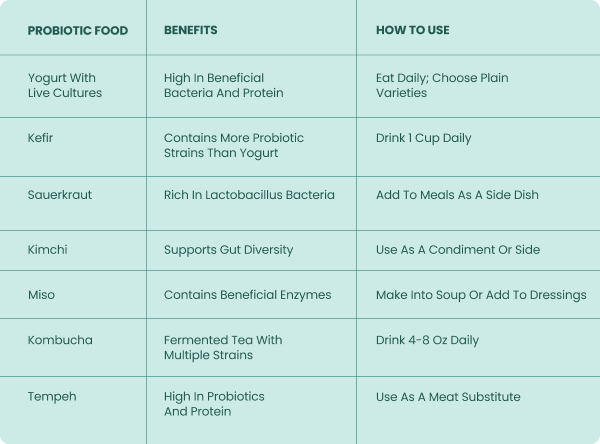
When selecting probiotics, look for strains including Lactobacillus and Bifidobacterium species. The potency should be at least 10 billion CFUs (colony-forming units), and products with 5-10 different bacterial strains are ideal. Choose quality options that are either refrigerated or shelf-stable with proven viability.
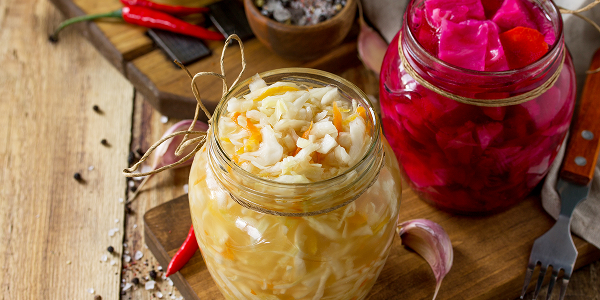
Use probiotics during your entire antibiotic treatment course, then continue for 2-4 weeks after finishing antibiotics. Consider ongoing use for long-term gut health. Food sources provide additional nutrients and are more affordable, while supplements offer higher concentrations and more convenience. Many people find a combination of food sources and supplements helpful, but either approach can work depending on your needs and tolerance.
Prebiotic Foods: Feeding the Good Bacteria
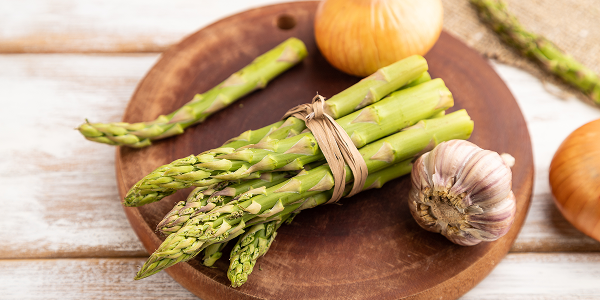
While probiotics introduce beneficial bacteria, prebiotics feed them. These are types of fibre that your body can’t digest but that good bacteria thrive on. Including prebiotic foods when taking amoxicillin or other antibiotics helps create an environment where beneficial bacteria can flourish. Examples include:
- Bananas (gentle on the stomach)
- Onions and garlic (feed the good bacteria)
- Asparagus
- Oats
- Apples
- Flaxseeds
- Leeks
While focusing on probiotics and prebiotics, don’t forget to maintain a healthy overall diet. Include lean proteins like chicken, fish, eggs, and legumes for healing, along with complex carbohydrates such as brown rice, quinoa, and sweet potatoes for sustained energy. Colourful fruits and vegetables provide essential vitamins and antioxidants, while staying well-hydrated with at least eight glasses of water daily, herbal teas, and clear broths supports your recovery.
What to Eat When Taking Amoxicillin Specifically
Amoxicillin is one of the most commonly prescribed antibiotics, used to treat infections ranging from strep throat to urinary tract infections. One advantage of amoxicillin is that it can be taken with or without food, and unlike some other antibiotics, it doesn’t have significant interactions with dairy products.
You can safely take amoxicillin with dairy-based probiotic foods like yogurt and kefir. In fact, taking it with a small amount of food can help reduce stomach upset, which is a common side effect. Unlike tetracyclines, there’s no need to avoid calcium-rich foods when taking amoxicillin. Continue emphasising probiotic and prebiotic foods throughout treatment and extend probiotic intake for at least two weeks after finishing the course.
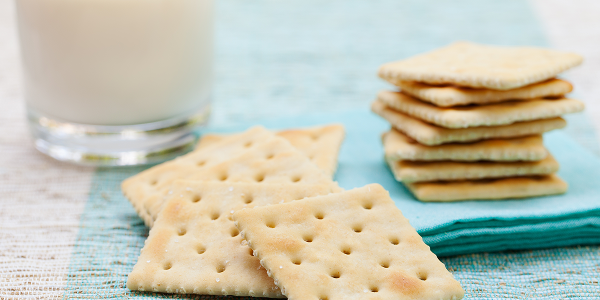
The best foods to pair with amoxicillin include plain yogurt or Greek yogurt, toast or crackers if you’re experiencing nausea, rice and bananas which are gentle on the stomach, light proteins like chicken or eggs, and cooked vegetables rather than raw if your digestion is sensitive.
Foods to Avoid While on Antibiotics
Understanding what foods to avoid while on antibiotics is just as important as knowing what to eat. Certain foods can interfere with medication absorption, worsen side effects, or promote harmful bacterial growth.
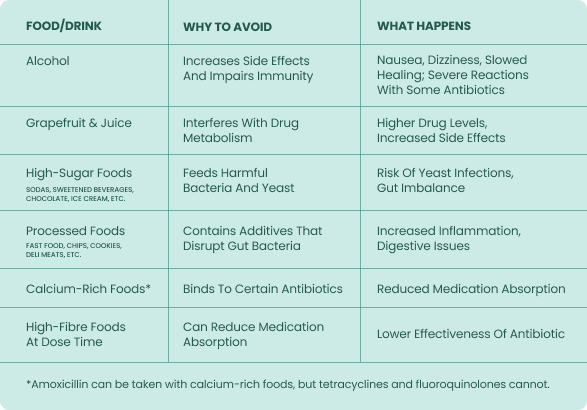
*Note: Amoxicillin can be taken with calcium-rich foods, but tetracyclines and fluoroquinolones cannot.
Final Tips for Success
For proper hydration, carry a water bottle throughout the day and aim for at least 8 glasses of water. You can add lemon or cucumber for flavour. Regarding meal frequency, eat 5-6 small meals if experiencing nausea, never skip meals during treatment, and keep healthy snacks readily available.
For medication adherence, set phone reminders for consistent timing, complete the entire course of antibiotics, and take them at the same times each day. Listen to your body by adjusting foods based on tolerance, choosing cooked over raw vegetables if needed, and resting when your body signals fatigue. Monitor for issues by watching for severe diarrhoea or rash, tracking any unusual symptoms, and contacting your doctor if symptoms worsen.
Conclusion
Taking antibiotics doesn’t mean you have to suffer through uncomfortable side effects. By focusing on probiotic and prebiotic-rich foods, understanding what to eat when taking amoxicillin, and avoiding foods that interfere with treatment, you can support your body’s healing while protecting your gut health. Remember to take probiotics at separate times from your antibiotics and continue supplementation for weeks after finishing your course. With the right dietary approach, your antibiotic treatment can be both effective and comfortable. If you experience severe side effects or have concerns, always consult your healthcare provider or use our “Ask-A-Pharmacist” service to help you.