



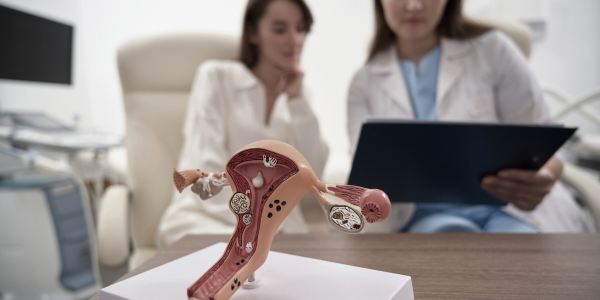
Every year, thousands of women in the UK are diagnosed with cervical cancer, yet it’s one of the most preventable cancers we face today. With the right knowledge and proactive steps, you have the power to significantly reduce your risk. This guide will walk you through everything you need to know about protecting yourself, from understanding NHS screening programmes to simple lifestyle choices that can make a real difference.
Why Cervical Screening Matters
Cervical screening (previously called a smear test) is your first line of defence against cervical cancer. It’s not a test for cancer itself, but rather a way to check the health of cells in your cervix and identify any changes before they become problematic. The HPV test used in cervical screening looks for high-risk types of human papillomavirus, which cause most cervical cancers.
The statistics speak for themselves: cervical screening saves around 5,000 lives each year in the UK. When abnormal cells are detected early, they can be monitored or treated before they develop into cancer. The procedure itself takes just a few minutes and could genuinely save your life.
Currently, the NHS invites women; trans-men and people with a cervix aged 25 to 64 for screening every five years. It’s crucial to attend these appointments, even if you feel perfectly healthy. Cervical cancer often has no symptoms in its early stages, which is precisely why screening is so important.
Breaking Down the Barriers
Many people delay or skip their screening appointments often due to previous experiences being painful or uncomfortable . If you feel nervous, remember that healthcare professionals perform these tests routinely and are trained to make you as comfortable as possible, so they can help put measures in place during the appointment. For example, you can request a female nurse, bring a friend or family member for support, or ask questions beforehand to ease your concerns.
If you have specific worries about the physical examination, speak with your GP surgery. They can discuss positions that might be more comfortable for you or provide additional support. Your wellbeing matters, and there’s no concern too small to address.
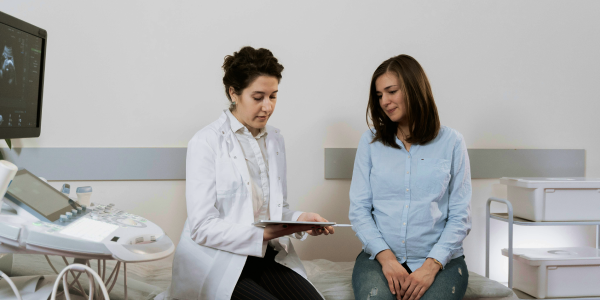
The HPV Vaccine: Protection from the Start
The NHS offers the HPV vaccine to children aged 12 to 13 as part of the school vaccination programme. This vaccine protects against the types of HPV that cause most cervical cancers, as well as several other cancers and genital warts. If you missed out on the vaccine at school, you may be eligible for catch-up vaccination up to age 25. Equally, there are private clinics that offer the HPV vaccine for ages 9-45, which is often used for those not eligible for the free NHS school programme; who missed their vaccination and/or over the age of 25.
While the vaccine offers excellent protection, it doesn’t replace the need for regular screening. Think of them as working together to give you the best possible protection.
Nourishing Your Body for Better Health
While no diet can guarantee cancer prevention, research suggests that certain eating habits may help reduce your risk. A balanced, nutrient-rich diet supports your immune system, which plays a vital role in fighting off HPV infections before they can cause cellular changes.
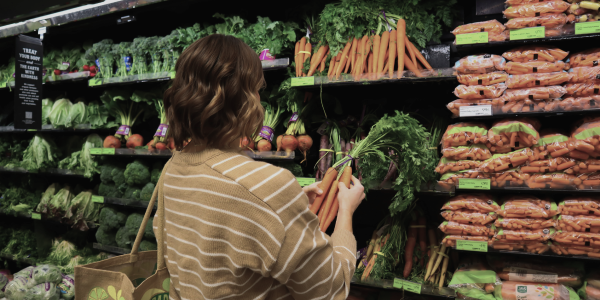
Focus on filling your plate with colourful fruits and vegetables. These are packed with antioxidants, vitamins, and minerals that support cellular health. Cruciferous vegetables like broccoli, cauliflower, and Brussels sprouts contain compounds that may be particularly beneficial. Citrus fruits, berries, and leafy greens provide vitamin C and folate, both important for maintaining healthy cells.
Don’t forget about foods rich in beta-carotene, such as carrots, sweet potatoes, and squash. Your body converts beta-carotene into vitamin A, which plays a role in maintaining healthy tissue throughout your body, including your cervix.
Whole grains, lean proteins, and healthy fats from sources like oily fish, nuts, and olive oil round out a cancer-protective diet. Meanwhile, try to limit processed meats, excessive alcohol, and highly processed foods, all of which have been linked to increased cancer risk.
Self-Care for Long-Term Wellness
Beyond diet, several lifestyle factors can influence your cervical cancer risk. If you smoke, quitting is one of the single most important things you can do. Smoking not only increases your risk of developing cervical cancer but also makes it harder for your body to fight off HPV infections.
Safe sex practices are equally important. Using condoms, maintaining good hygiene after intimate skin-to-skin contact, and being mindful about sharing sex toys, even without penetrative sex, reduces your risk of contracting HPV, as the virus spreads easily via direct contact in the genital area. Being aware of your sexual health and having open conversations with partners contributes to your overall wellbeing.
Stress management shouldn’t be overlooked either. Chronic stress can weaken your immune system, potentially making it harder for your body to clear HPV infections. Find activities that help you unwind, whether that’s yoga, walking, meditation, reading, or spending time with loved ones. Regular exercise not only helps manage stress but also supports immune function and helps maintain a healthy weight, both of which may play a role in cancer prevention.
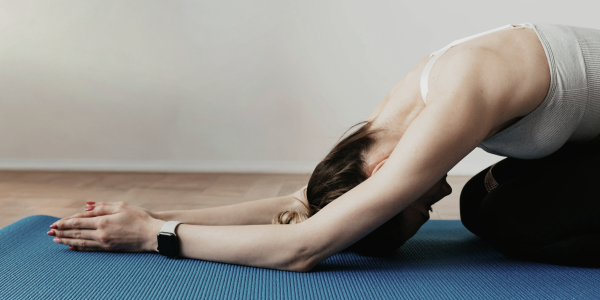
Quality sleep is another cornerstone of good health. Aim for seven to nine hours per night to give your immune system the rest it needs to function optimally.
Taking Action Today
Cervical cancer prevention isn’t about perfection; it’s about taking consistent, manageable steps to protect your health. Start by checking when your next cervical screening is due, and if you’ve missed an appointment, book one today. Your GP surgery will be happy to arrange this for you.
Knowledge truly is power when it comes to your health. By understanding your body, attending regular screenings, making informed lifestyle choices, and staying engaged with your healthcare, you’re taking active control of your wellbeing. The NHS cervical screening programme is there to support you and using it could be the most important health decision you make.
Your health matters, and you deserve to give yourself the best possible chance at a long, healthy life. Take that first step today, your future self will thank you.


