

Rated 4.7


Treatments
Related Medication

Frequently Asked Questions
Have a question? We're here to help
What are condoms?
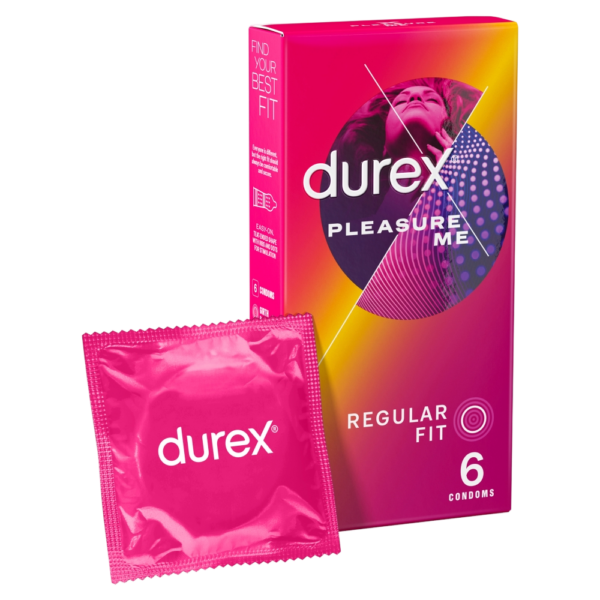
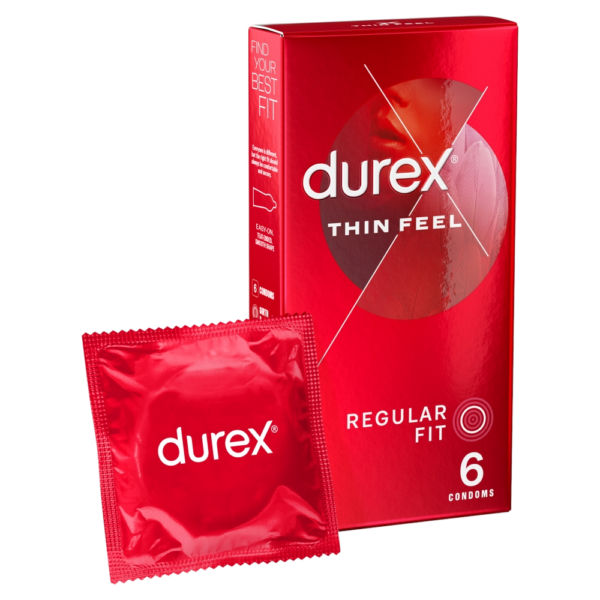
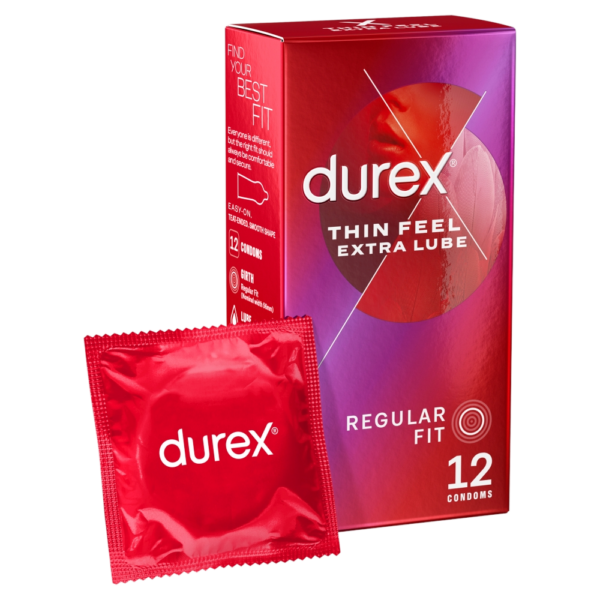
Condoms are thin protective sheaths, usually made of latex or polyurethane, that are worn during sexual intercourse to prevent pregnancy and reduce the risk of sexually transmitted infections (STIs). They act as a physical barrier, stopping sperm from entering the vagina. Condoms are available in different types, such as Durex Thin Feel or Durex Pleasure Me, designed for comfort and sensation.
How do condoms work?
Condoms work by collecting semen during ejaculation, preventing it from reaching the egg and thus avoiding pregnancy. They also block direct contact between bodily fluids, helping to protect against STIs like HIV, chlamydia, and gonorrhoea. When used correctly every time, condoms are a highly effective and accessible form of contraception.
What are the different types of condoms?
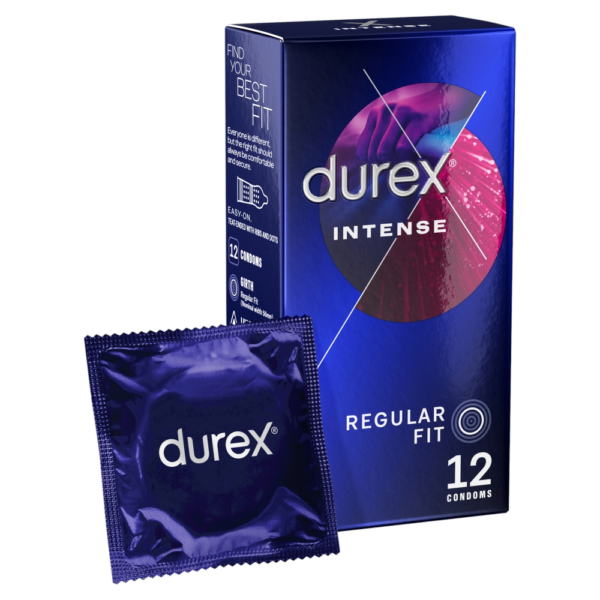
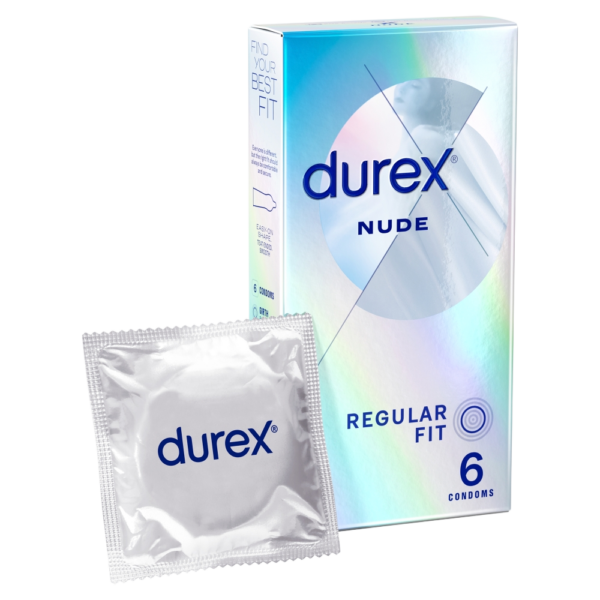
There are several types of condoms, including latex, non-latex, extra-thin, textured, and lubricated options. For example, Durex Intense Condoms are designed for heightened stimulation, while Durex Thin Feel and Durex Nude Condoms focus on a natural feel. Choosing the right type often comes down to comfort, sensation preference, and any allergies to materials like latex.
How effective are condoms at preventing pregnancy?
When used correctly, condoms are about 98% effective at preventing pregnancy. However, with typical use – where mistakes sometimes occur – the effectiveness drops to around 85%. Using a condom consistently and checking the fit and expiry date can help maintain maximum protection.
Do condoms protect against sexually transmitted infections (STIs)?
Yes, condoms are one of the most effective ways to reduce the risk of STIs, including HIV, gonorrhoea, and chlamydia. They create a barrier that prevents the exchange of bodily fluids, which is how most STIs are transmitted. However, they may not provide full protection against infections spread by skin contact, like herpes or HPV.
How safe are condoms?
Condoms are very safe when used correctly and stored properly. Brands like Durex rigorously test their condoms for strength, elasticity, and quality assurance. Always check the expiry date and make sure the condom package isn’t damaged before use to ensure reliability.
How long do condoms last?
Most condoms last between three to five years from the date of manufacture, depending on how they’re stored. Heat and sunlight can damage the material, so they should be kept in a cool, dry place. Always check the expiry date printed on the packaging before use.
How often do condoms break?
Condom breakage is rare when used properly, occurring in less than 2% of cases. Breaks usually happen due to incorrect use, such as using oil-based lubricants with latex condoms or not leaving space at the tip. Choosing high-quality condoms like Durex Thin Feel Extra Lube can also help reduce friction and minimise the risk.
Are condoms one size fits all?
No, condoms come in different sizes to ensure a comfortable and secure fit. A condom that’s too tight may be more likely to break, while one that’s too loose could slip off. It’s important to find the right size for you – many brands, including Durex, offer guidance on how to measure for the best fit.
Can sperm go through condoms?
Sperm cannot pass through an intact condom made of latex or polyurethane. These materials are non-porous, meaning they block microscopic particles effectively. If a condom leaks or breaks, however, sperm can escape – so proper use and checking for damage before use is essential.
Do condoms prevent 100% pregnancy?
No form of contraception is 100% effective, and that includes condoms. While they offer up to 98% protection when used perfectly, there’s still a small chance of pregnancy if they are used incorrectly or damaged. Combining condoms with another contraceptive method, like the pill, provides extra reassurance.
At what age can you buy condoms in the UK?
In the UK, there is no minimum age for buying condoms. They are available over the counter at pharmacies, supermarkets, and vending machines. This accessibility helps encourage safer sex practices for people of all ages.
Proudly Supported By Industry Experts








Superintendent Pharmacist: Justin Dicks 2038305
© Total Access Health LTD. All rights reserved.
Pharmacy Address: 42 Barnard Road, Norwich, NR5 9JB