

Rated 4.7


Start Your Testosterone Replacement for Men Consultation
Complete a quick and easy questionnaire and one of our prescribers will make sure this treatment is right for you.
 4.7/5 rating on Trustpilot
 Trusted UK Registered Pharmacy
 Takes Under 2 Minutes
 Secure and Confidential

Treatments


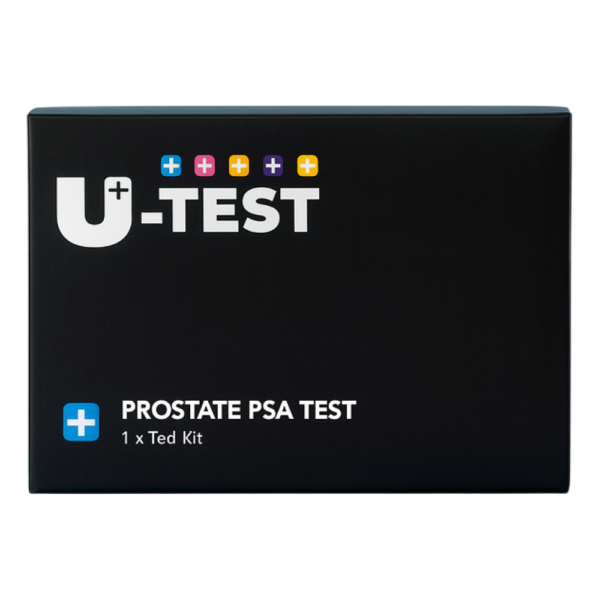
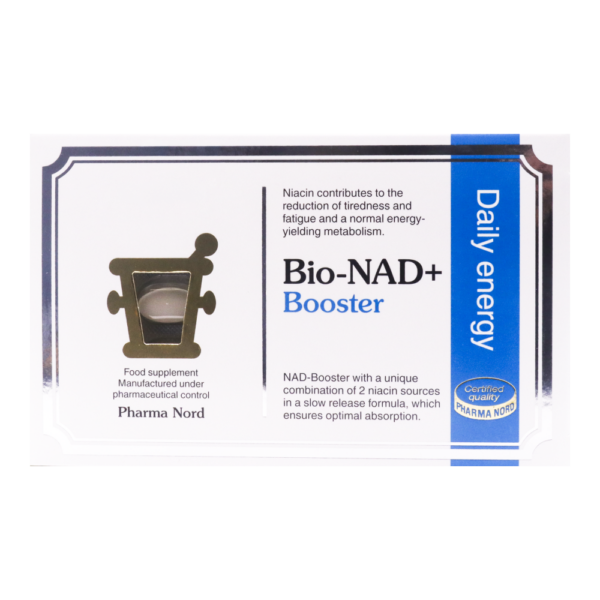
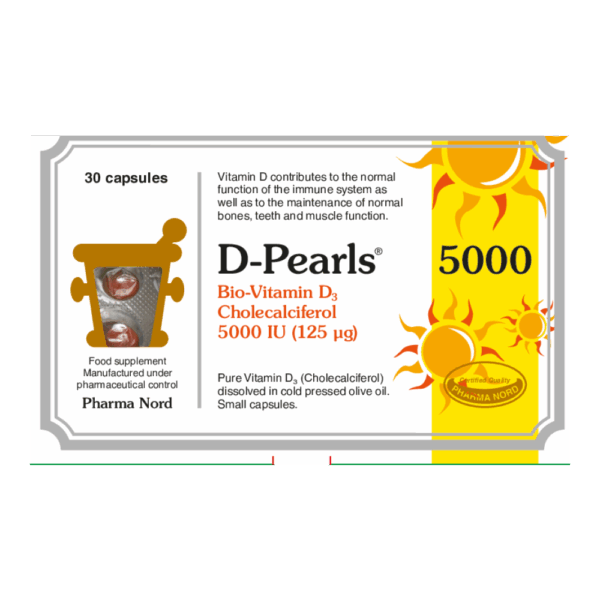
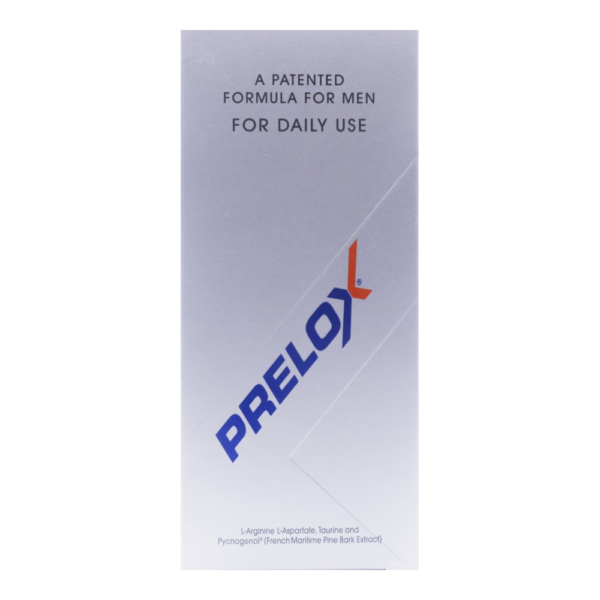
Related Medication


Frequently Asked Questions
Have a question? We're here to help
What is testosterone treatment?
Testosterone treatment, also known as testosterone replacement therapy (TRT), is used to restore hormone levels in men with low testosterone. It can come in the form of gels, patches, injections, or tablets, depending on what is most suitable for the patient. The aim is to relieve symptoms caused by testosterone deficiency and improve quality of life.
Why would a man need testosterone treatment?
Men may need testosterone treatment if their natural hormone levels are lower than normal and causing symptoms such as fatigue, low mood, or reduced sex drive. Low testosterone can be age-related or due to medical conditions that affect hormone production. TRT helps restore levels to a healthy range and relieve associated symptoms.
What are signs of low testosterone in men?
The common signs of low testosterone include tiredness, low libido, mood changes, poor concentration, and difficulty building muscle. Some men may also notice reduced facial or body hair, weight gain, or erectile dysfunction. These symptoms should always be discussed with a healthcare professional before starting treatment.
How to test testosterone levels?
Testosterone levels are usually checked through a blood test, often carried out in the morning when levels are at their highest. Your doctor will likely take two or more tests on different days to confirm a diagnosis. The results help guide whether testosterone treatment is appropriate.
Is testosterone treatment worth it?
For many men with clinically low testosterone, treatment can significantly improve energy, mood, sex drive, and overall wellbeing. However, it is not a “quick fix” and should only be used when blood tests confirm deficiency. The benefits and potential risks should be weighed carefully with a healthcare professional.
What are the side effects of taking testosterone?
Some possible side effects include acne, oily skin, increased red blood cell count, or fluid retention. Some men may also experience changes in mood, breast tenderness, or reduced fertility. Regular monitoring by a doctor helps reduce risks and ensures treatment remains safe.
How does testosterone replacement work?
TRT works by supplementing the body’s natural hormone levels with an external source of testosterone. This restores balance in the body, helping to relieve symptoms linked to deficiency. Over time, many men notice improvements in energy, mental health, and sexual function.
What are the different types of testosterone treatment?
Testosterone treatment can be given as gels or creams applied to the skin, injections into the muscle, skin patches, or oral tablets. Each option has its pros and cons in terms of convenience, absorption, and side effects. Your doctor will help decide which type is most suitable for your lifestyle and needs.
How long does testosterone treatment take to work?
Some improvements, such as increased energy or mood, can be noticed within a few weeks. Changes to muscle strength, libido, or bone density may take several months to become clear. Regular follow-ups ensure the treatment is working as expected.
Who can and cannot use testosterone treatment?
TRT is suitable for men with proven low testosterone confirmed by blood tests. It may not be appropriate for men with certain conditions such as prostate or breast cancer, untreated sleep apnoea, or severe heart problems. A doctor will review your medical history before prescribing treatment.
Can testosterone treatment cure low testosterone permanently?
TRT manages the symptoms of low testosterone, but it does not cure the underlying cause. Most men will need to continue treatment long-term to maintain benefits. Stopping therapy usually results in testosterone levels returning to their previous low levels.
What happens if low testosterone is left untreated?
If untreated, low testosterone can lead to persistent tiredness, mood disturbances, low sex drive, and reduced bone strength. Over time, this may increase the risk of fractures or affect long-term health and wellbeing. Early diagnosis and treatment can help prevent these complications.


Proudly Supported By Industry Experts








Superintendent Pharmacist: Justin Dicks 2038305
© Total Access Health LTD. All rights reserved.
Pharmacy Address: 42 Barnard Road, Norwich, NR5 9JB