

Rated 4.7


Start Your Fungal Nail Infection Consultation
Complete a quick and easy questionnaire and one of our prescribers will make sure this treatment is right for you.
 4.7/5 rating on Trustpilot
 Trusted UK Registered Pharmacy
 Takes Under 2 Minutes
 Secure and Confidential

Treatments
Related Medication

Frequently Asked Questions
Have a question? We're here to help
What is a fungal nail infection?
A fungal nail infection (also known as onychomycosis) is a common condition where fungi infect the nail, making it thickened, discoloured, and brittle. It often starts at the edge of the nail and gradually spreads across. The infection can affect both fingernails and toenails, though it’s more common in the toes due to warm, moist environments inside shoes.
What causes fungal infection on nails?
Fungal nail infections are caused by overgrowth of fungi that thrive in warm and damp areas, such as inside shoes or public changing rooms. They can also develop after minor nail injuries or from untreated athlete’s foot spreading to the nails. Those at higher risk are people with diabetes, poor circulation, or weakened immune systems.
What are the symptoms of fungal nail infection?
The symptoms include thickened, discoloured, or crumbly nails, often yellow or brown in colour. You might also notice the nail becoming distorted in shape or separating slightly from the nail bed. In some cases, there may be mild discomfort or an unpleasant odour.
How contagious is nail fungus?
Fungal nail infections can spread from person to person, but the risk is relatively low with casual contact. They are most often spread in communal areas such as swimming pools, gyms, or shared showers. Avoid sharing nail clippers, shoes, or towels to reduce the risk of transmission.
What is the treatment for nail fungus?
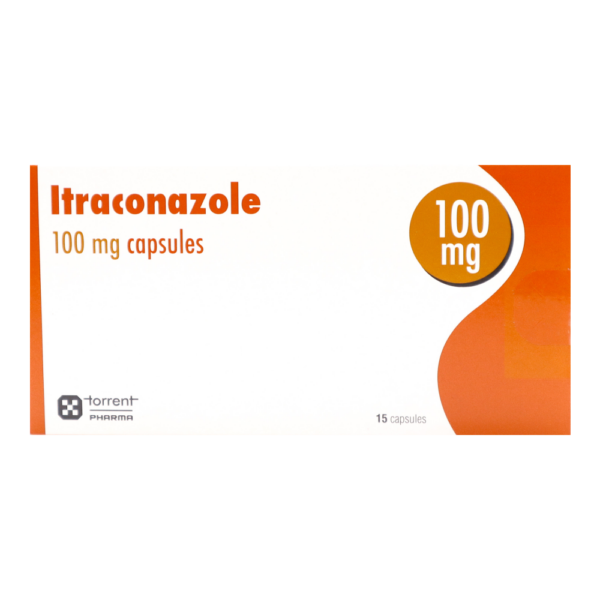
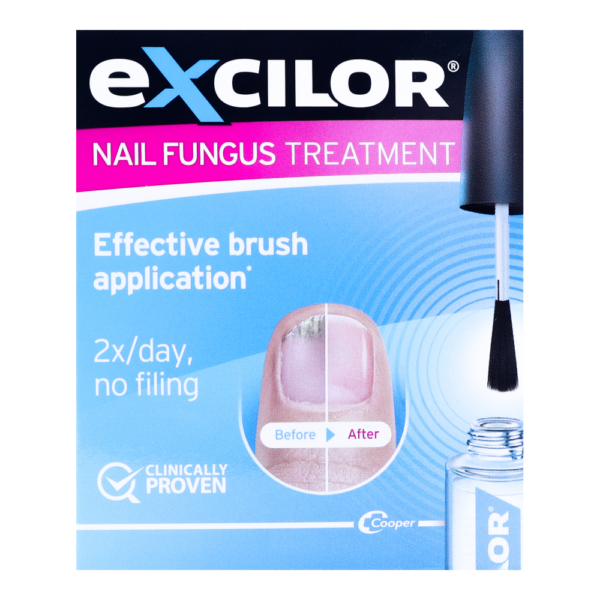
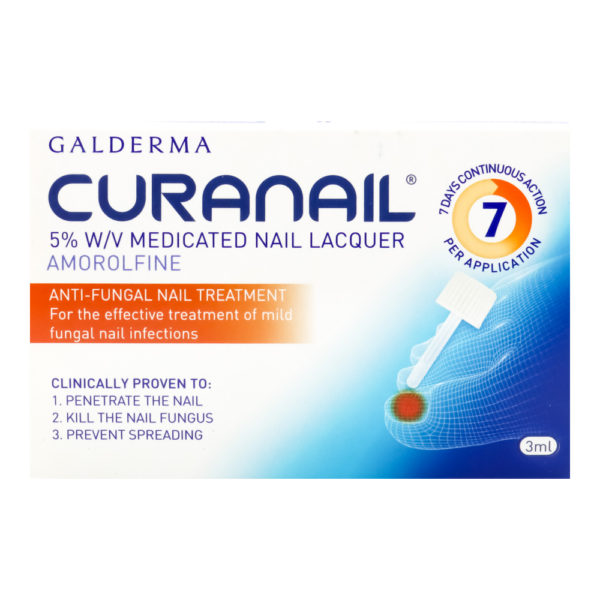
Treatment depends on the severity of the infection and how many nails are affected. Oral antifungal medicines such as Itraconazole Capsules are often prescribed, as they help the nail grow free from infection. In milder cases, topical antifungal solutions can also be effective, though they require regular and consistent use over several months.
How long does toenail fungus last?
Toenail fungus can take several months to fully clear, even with treatment. Because toenails grow slowly, you may not see results until a new, healthy nail starts to replace the infected one. Without treatment, the infection can persist indefinitely or even worsen over time.
Can a fungal nail infection go away on its own?
It’s unlikely for a fungal nail infection to go away without treatment. The fungus can remain trapped under the nail and continue to spread. Early treatment improves success rates and prevents long-term nail damage or reinfection.
How to treat fungal nail infection when pregnant?
If you’re pregnant or breastfeeding, you should speak to a healthcare professional before starting any antifungal treatment. Some oral medications, including Itraconazole, may not be suitable during pregnancy. Your doctor may recommend safer topical treatments or delaying oral medication until after pregnancy.
Who is more likely to get fungal nail infections?
Fungal nail infections are more common in older adults, people with diabetes, athletes, and those who wear tight or sweaty shoes. Repeated nail trauma, poor foot hygiene, and weakened immunity also increase risk. Preventive care like keeping feet dry and trimming nails properly can help lower your chances.
What happens if a fungal nail infection is left untreated?
If untreated, the infection can spread to other nails and nearby skin, causing discomfort or pain when walking. Nails may become permanently thickened or deformed. In severe cases, it can lead to bacterial infections, particularly in people with diabetes or poor circulation.
Can you prevent fungal nail infections?
Yes – maintaining good nail hygiene is key. Keep nails trimmed, wear breathable footwear, and change socks regularly. Using antifungal sprays or powders can also help prevent recurrence, especially if you’re prone to sweaty feet or use communal showers.
Can I wear nail polish with a fungal nail infection?
It’s best to avoid covering an infected nail with regular nail polish, as it can trap moisture and make the infection worse. If you want to disguise discolouration, opt for antifungal nail paints designed to treat while masking the nail’s appearance. Letting the nail breathe can also support faster recovery.
When should I see a doctor about nail fungus?
You should speak to a doctor if the infection is spreading, painful, or affecting multiple nails. People with underlying health conditions like diabetes should seek medical advice early. A healthcare professional can confirm the diagnosis and recommend the most effective antifungal treatment for you.
Proudly Supported By Industry Experts








Superintendent Pharmacist: Justin Dicks 2038305
© Total Access Health LTD. All rights reserved.
Pharmacy Address: 42 Barnard Road, Norwich, NR5 9JB