

Rated 4.6


Start Your Dental Infection Consultation
Complete a quick and easy questionnaire and one of our prescribers will make sure this treatment is right for you.
 4.6/5 rating on Trustpilot
 Trusted UK Registered Pharmacy
 Takes Under 2 Minutes
 Secure and Confidential

Treatments

Related Medication



Frequently Asked Questions
Have a question? We're here to help
What is a dental infection?
A dental infection, also known as a tooth abscess, occurs when bacteria enter the tooth or gum, causing pain, swelling, and inflammation. It often develops because of tooth decay, gum disease, or injury. If left untreated, the infection can spread to surrounding tissue or even the jawbone.
What causes a dental infection?
Dental infections are usually caused by bacteria entering the inner part of the tooth through cavities, cracks, or gum disease. Poor oral hygiene, untreated tooth decay, and previous dental work can increase your risk. In some cases, trauma or weakened enamel can also allow bacteria to reach the tooth pulp.
What are the symptoms of a dental infection?
The common symptoms include toothache, sensitivity to hot or cold, swelling of the face or jaw, and a bad taste in the mouth. Some patients may also experience fever or swollen lymph nodes. If pain intensifies or swelling spreads, it’s important to seek prompt treatment.
How is a dental infection treated?
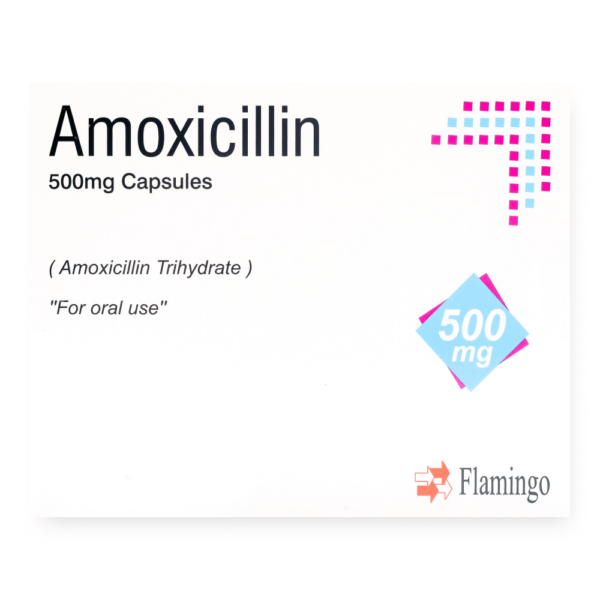
Treatment usually involves antibiotics such as Amoxicillin or Metronidazole to clear the infection, alongside dental procedures like drainage or root canal treatment if necessary. Pain relief can also help manage symptoms while the infection heals. Completing the full course of antibiotics is essential to prevent recurrence.
How do antibiotics for dental infections work?
Antibiotics like Amoxicillin 500mg and Metronidazole 400mg work by targeting and killing the bacteria causing the infection. They help reduce inflammation, swelling, and pain while preventing the infection from spreading. These medicines are often prescribed for short courses, depending on the severity of the infection.
How long does it take for a dental infection to go away?
With antibiotic treatment, most mild infections begin to improve within a few days, though full recovery can take up to a week. If symptoms persist or worsen, further dental intervention may be needed. Early treatment helps prevent complications and supports quicker healing.
Who can take antibiotics for a dental infection?
The majority of adults can safely take antibiotics like Amoxicillin or Metronidazole when prescribed by a clinician. However, certain individuals – such as those with allergies to penicillin, liver disease, or specific medical conditions – may require alternative treatments. Always disclose your full medical history before starting antibiotics.
Are antibiotics safe for treating dental infections?
Yes, when prescribed correctly, antibiotics for dental infections are generally safe and effective. The mild side effects like nausea, diarrhoea, or changes in taste can occur but usually pass quickly. Serious reactions are rare, especially when taken as directed by a healthcare professional.
Can a tooth infection heal on its own?
A tooth infection will not usually heal without treatment. The infection may temporarily seem to improve, but bacteria will remain and can spread deeper into the gums or jaw. It’s essential to have prompt antibiotic treatment and dental care to fully resolve the issue and prevent serious complications.
How to tell if a tooth infection has spread?
If a dental infection spreads, you may notice severe swelling in the face or neck, persistent fever, fatigue, or difficulty swallowing. These symptoms can indicate that the infection has moved beyond the tooth. You should seek immediate medical attention if you experience these warning signs.
How to know if a tooth is infected?
An infected tooth often causes throbbing pain, sensitivity, and swelling around the gum. You might also notice a bad taste or smell due to pus from the infection. A dentist can confirm the diagnosis with an examination and recommend the best course of treatment.
Can you get sepsis from a tooth infection?
Yes, in rare cases, an untreated tooth infection can spread into the bloodstream and cause sepsis, a potentially life-threatening condition. This is why it’s vital to seek prompt treatment for any dental infection. Early antibiotic use and professional dental care can prevent complications like sepsis.
What happens if a dental infection is left untreated?
If untreated, a dental infection can spread to nearby tissues, causing abscesses, bone loss, or even systemic infection. Pain and swelling may worsen over time, making treatment more complex. By addressing the infection early, it ensures faster recovery and prevents long-term damage.
Can dental infections be prevented?
Good oral hygiene is the best way to prevent dental infections. Brushing twice daily, flossing, and regular dental check-ups help remove bacteria before they cause problems. Avoiding sugary foods and treating cavities early also reduces your risk.
When should I see a dentist for a tooth infection?
You should see a dentist as soon as you notice signs of pain, swelling, or infection around a tooth. Early assessment prevents the condition from worsening or spreading. If you experience fever, severe swelling, or difficulty breathing, seek emergency care immediately.



Proudly Supported By Industry Experts








Superintendent Pharmacist: Justin Dicks 2038305
© Total Access Health LTD. All rights reserved.
Pharmacy Address: 42 Barnard Road, Norwich, NR5 9JB