

Get 10% off with code AUG10


Fast, Effective Dental Infection Treatment Online
Take control of your dental health with fast, effective infection treatment online

 Next Day Delivery
 Prescription Included
 Discreet Delivery
 UK Registered Pharmacy
How It Works
We make it easy to start and stay on track

Fill out a form
Answer a few questions to start your personalised plan.

Clinicians Review Details
Our clinical team will review your details and offer a treatment plan.
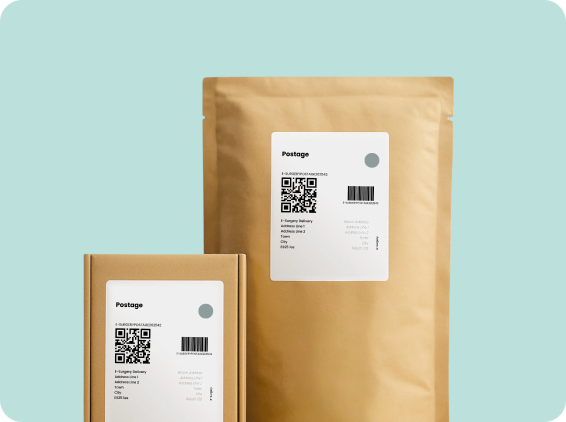
Next-day delivery
Your treatment will be shipped next-day in discreet packaging.
Expert clinical guidance
Our team combines decades of healthcare experience to provide safe, effective, and personalized treatments.

Aisana Pandya
Clinical Lead, Pharmacist, Independent Prescriber
Master of Pharmacy (MPharm)
Independent Prescribing Course (2019)
GPhC Number: 2085970

Justin Dicks
Superintendent Pharmacist
Bachelor of Pharmacy (BPharm)
GPhC Number: 2038305

Lara Dunn-Ceylan
Dietician
Bachelors in Nutrition & Dietetics
Trusted by 600,000+ patients
We support thousands of patients across the UK every day
Excellent company
Seemless from beginning to end. excellent customer service and superfast delivery. I will definitely be using e-surgery from now on and will recommend to my friends. Superb.

Absolutely amazing service
Quick, simple and stress‑free — I completed the consultation online in minutes and my prescription arrived at my door the next day. Exactly what I needed…
Prompt and efficient service
Prescription always on time, on the phone for help and support, good pricing, all round good service and quality.
Fast delivery of the medication
Fast delivery of the medication kept will informed, track parcel to delivery. happy with service
Frequently asked questions
Have a question? we’re here to help
What is a dental infection?
A dental infection is an infection that affects the teeth, gums, or other areas of the mouth. It can be caused by bacteria, viruses, or fungi and may lead to symptoms like pain, swelling, fever, and difficulty swallowing or opening the mouth.
What are the common causes of dental infections?
The most common causes include untreated tooth decay, gum disease, cracked or chipped teeth, dental procedures, and poor oral hygiene. Dental infections can also occur after dental trauma or as a complication of other medical conditions.
Can dental infections be serious?
Yes, dental infections can be quite serious if left untreated. The infection can spread to other parts of the body, including the jaw, neck, sinuses, and even the bloodstream, leading to potentially life-threatening complications.
How are dental infections treated?
The treatment for dental infections typically involves antibiotics to fight the infection, as well as dental treatments like root canals, extractions, or drainage of abscesses. Good oral hygiene and follow-up care are essential to prevent the infection from recurring.
What are the side effects of dental infection medications?
Like any medication, treatment for dental infections can have side effects, such as:
- nausea
- diarrhoea
- rash
- allergic reactions
It’s important to follow the dosage instructions and information your doctor of any other medications you are taking to avoid interactions.
How can I prevent dental infections?
You can prevent dental infections by; practicing good oral hygiene by brushing and flossing regularly, using an antiseptic mouthwash, and visiting your dentist for regular checkups and cleanings. It is also beneficial to avoid smoking and maintain a healthy diet as well.
How long does it take for a dental infection to clear up?
The duration can vary depending on the severity of the infection and how quickly the treatment is started. However, with proper antibiotic treatment and dental care, most dental infections clear up within a week or two, though some may take longer.
Where can I find more information about dental infection treatments?
You can learn about dental infection treatment from reputable websites, such as the NHS. Alternatively, you can also use our free Ask-a-Pharmacist service as well as speaking to your doctor.
Can I buy dental infection treatment online?
Yes! You can legally buy dental infection treatment online from registered prescribers, such as e-Surgery!
When buying medication online, check for the green GPhC logo on the bottom of each page you visit and use the GPhC website to check if the pharmacy is registered. This will ensure that when you buy dental infection treatment online it is genuine.
Is it safe to buy dental infection treatment online?
e-Surgery is a fully registered online pharmacy that will provide you with the same medication you would find at your local pharmacy, therefore is just as safe.
How will my dental infection treatment be delivered?
e-Surgery uses Royal Mail for delivery, with choices starting from Royal Mail Tracked 48, Royal Mail Tracked 24, and Royal Mail Special Delivery by 1pm (discover more about e-Surgery delivery).
When you buy dental infection treatment online, they will arrive in discreet, recyclable packaging at a delivery address of your choice. You can find out how to recycle packaging from e-Surgery here.
Is this service legal?
Yes! e-Surgery is the UK’s leading online prescriber and pharmacy that is focused on sustainability. We are regulated by the GPhC and MHRA to provide you with a safe, simple, and legal way for you to order your medication online.
We only ever sell genuine UK medication for your safety.
Ready to start?
Complete a short online questionnaire and speak to a clinician.


Superintendent Pharmacist: Justin Dicks 2038305
© Total Access Health LTD. All rights reserved.
Pharmacy Address: 42 Barnard Road, Norwich, NR5 9JB