

Get 10% off with code AUG10

Order Prescription Strength Acne Treatment Online
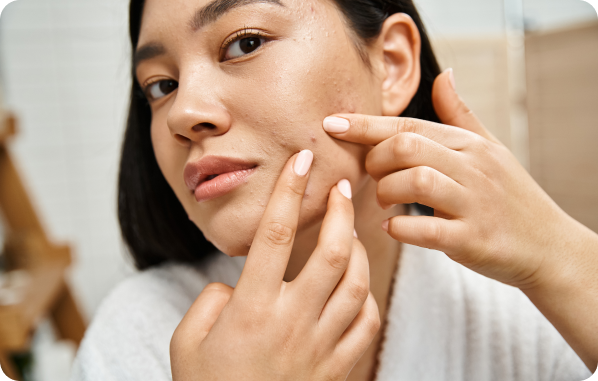
Acne treatment made simple, private, and accessible online
from
£35.95
Get 10% off with code MAY10
 Next Day Delivery
 Prescription Included
 Discreet Delivery
 UK Registered Pharmacy
How It Works
We make it easy to start and stay on track
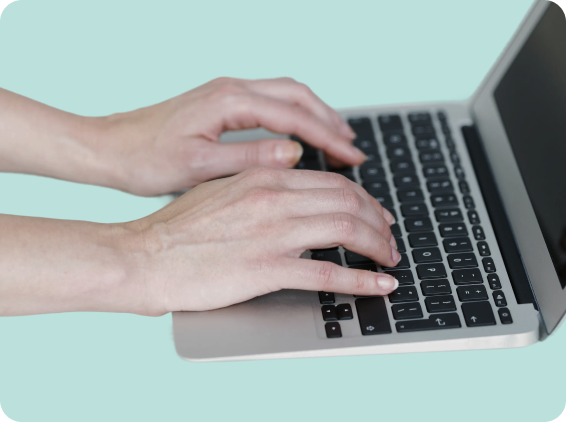
Fill out a form
Answer a few questions to start your personalised plan.

Clinicians Review Details
Our clinical team will review your details and offer a treatment plan.
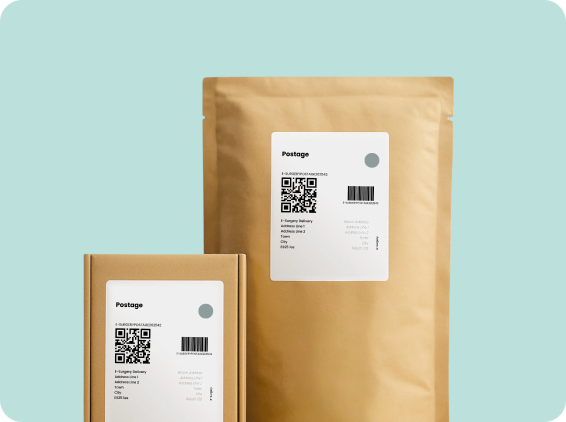
Next-day delivery
Your treatment will be shipped next-day in discreet packaging.
Expert clinical guidance
Our team combines decades of healthcare experience to provide safe, effective, and personalized treatments.

Aisana Pandya
Clinical Lead, Pharmacist, Independent Prescriber
Master of Pharmacy (MPharm)
Independent Prescribing Course (2019)
GPhC Number: 2085970

Justin Dicks
Superintendent Pharmacist
Bachelor of Pharmacy (BPharm)
GPhC Number: 2038305

Lara Dunn-Ceylan
Dietician
Bachelors in Nutrition & Dietetics
Trusted by 600,000+ patients
We support thousands of patients across the UK every day

Excellent company
Seemless from beginning to end. excellent customer service and superfast delivery. I will definitely be using e-surgery from now on and will recommend to my friends. Superb.

Absolutely amazing service
Quick, simple and stress‑free — I completed the consultation online in minutes and my prescription arrived at my door the next day. Exactly what I needed…
Prompt and efficient service
Prescription always on time, on the phone for help and support, good pricing, all round good service and quality.
Fast delivery of the medication
Fast delivery of the medication kept will informed, track parcel to delivery. happy with service
Frequently asked questions
Have a question? we’re here to help
What is acne?
Acne is a common skin condition that occurs when hair follicles become blocked with oil and dead skin cells, leading to spots, blackheads, and whiteheads. It most often appears on the face, back, and chest. Acne can affect people of all ages, though it’s most common in teenagers due to hormonal changes.
What causes acne?
Acne develops when excess sebum (oil) and dead skin clog pores, allowing bacteria such as Cutibacterium acnes to thrive. Hormonal fluctuations, stress, and certain medications can also trigger or worsen breakouts. Factors like oily cosmetics and friction from clothing can contribute too
What are the symptoms of acne?
The main symptoms include whiteheads, blackheads, pimples, and cysts that can appear on the face, neck, chest, shoulders, or back. In more severe cases, acne can cause inflammation, pain, and scarring. The severity and type of spots vary from person to person.
What are the different types of acne?
Acne can be classified into non-inflammatory (blackheads and whiteheads) and inflammatory types (papules, pustules, nodules, and cysts). Hormonal acne tends to appear around the chin and jawline, while bacterial acne can cause red, inflamed spots. Understanding the type of acne helps guide the right treatment.
How to tell if acne is hormonal or bacterial?
Hormonal acne often appears around the lower face and jawline and can worsen around your menstrual cycle. It tends to involve deep, painful cysts rather than surface spots. On the other hand, bacterial acne usually presents as inflamed, pus-filled spots that respond well to antibiotic treatments.
What causes severe acne?
Severe acne can be caused by a combination of genetics, hormonal changes, and overactive oil glands. When pores become deeply blocked and infected, cysts and nodules can form beneath the skin. Without treatment, severe acne can lead to long-term scarring and emotional distress.
What worsens acne?
Acne can worsen with hormonal changes, stress, certain medications, or using skincare products that clog pores. Picking or squeezing spots also spreads bacteria and increases the risk of scarring. Keeping to a gentle, consistent skincare routine helps manage breakouts more effectively.
How long does acne last?
Acne can last for several years, often improving with age or hormonal balance. Some people continue to experience breakouts into adulthood, especially if their acne is hormonal. Effective treatments can significantly reduce symptoms and prevent future flare-ups.
Ready to start?
Complete a short online questionnaire and speak to a clinician.


Superintendent Pharmacist: Justin Dicks 2038305
© Total Access Health LTD. All rights reserved.
Pharmacy Address: 42 Barnard Road, Norwich, NR5 9JB